
Last updated November 2, 2026
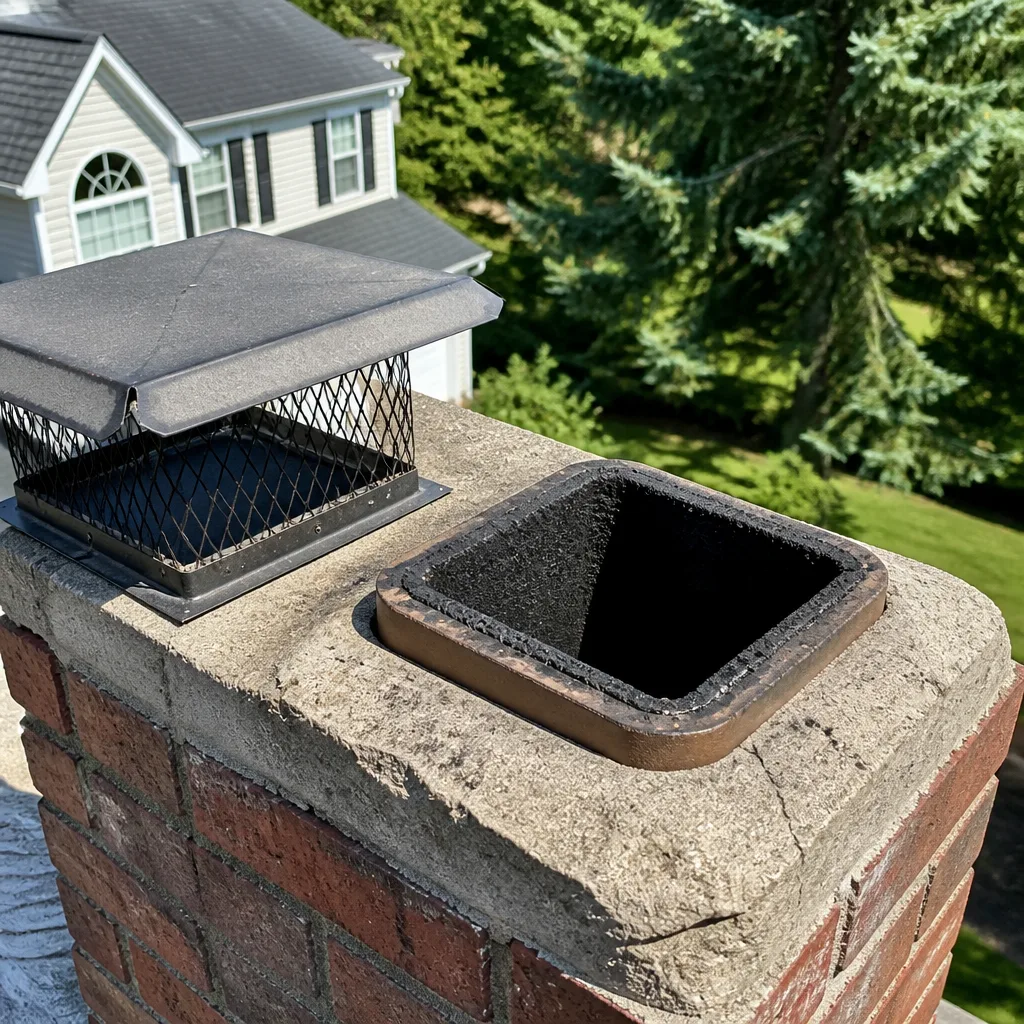 Sweep & inspection
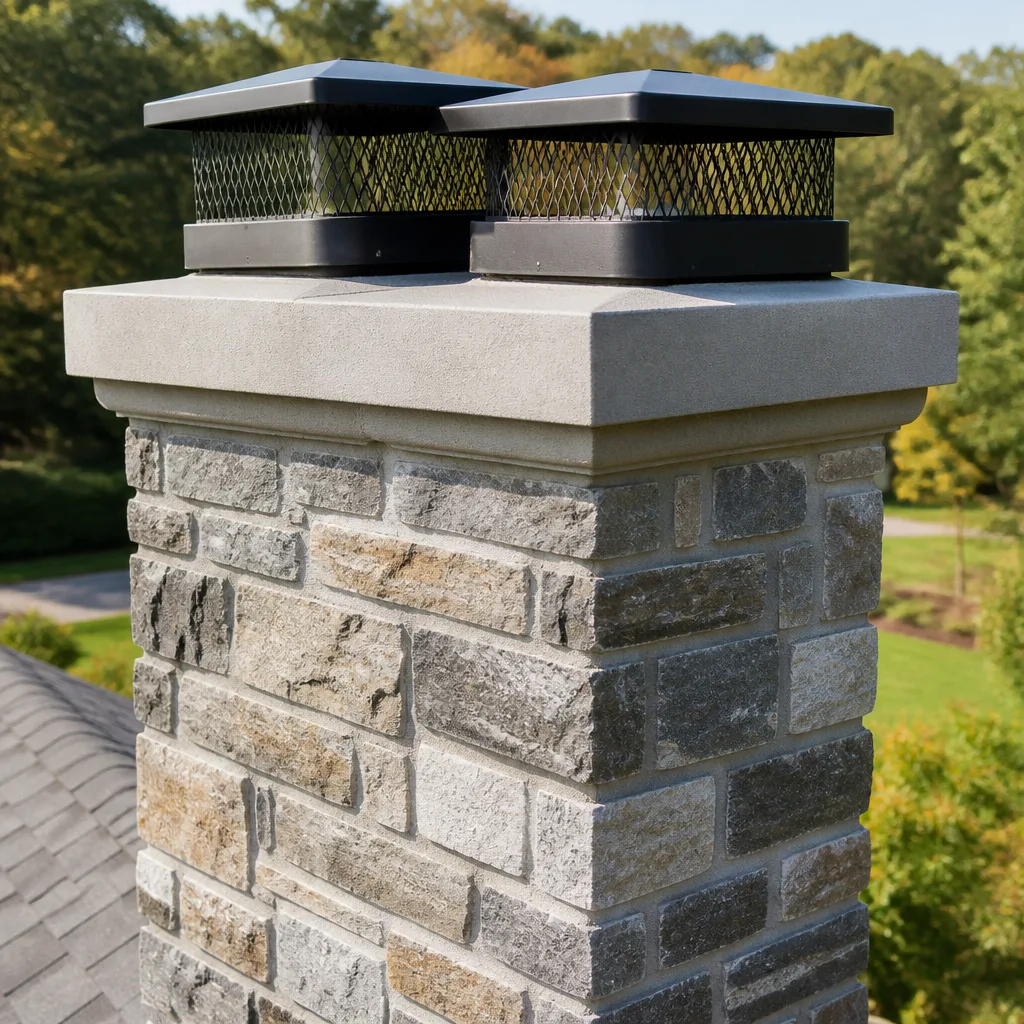 Caps & crowns
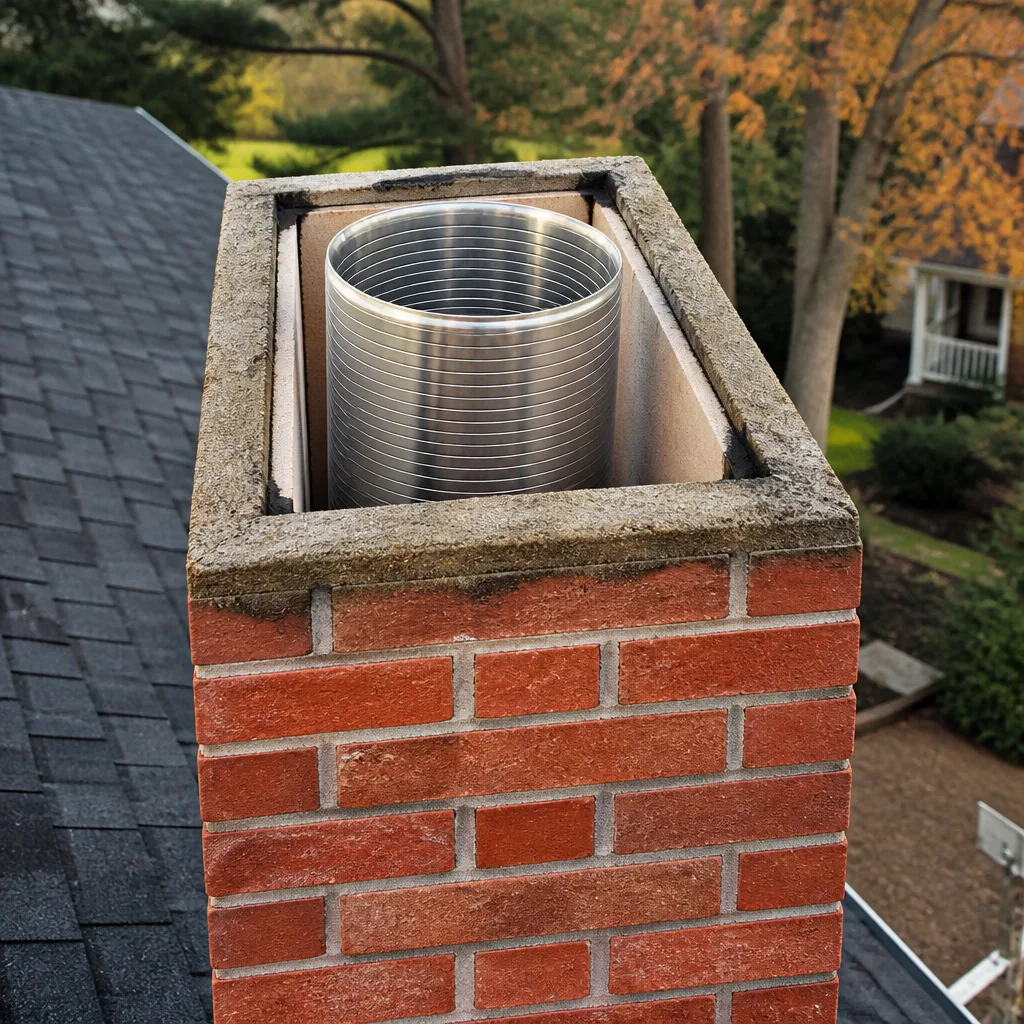 Flue relining
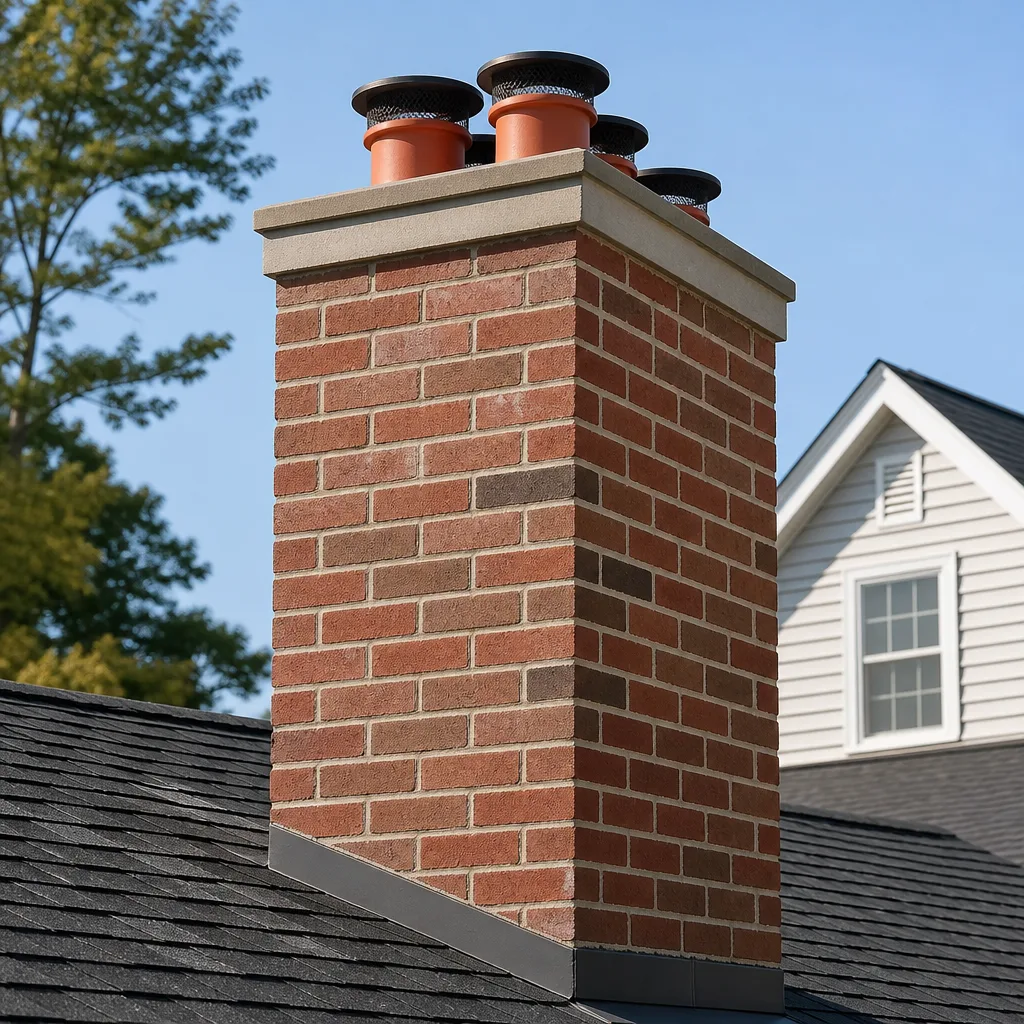 Masonry repair
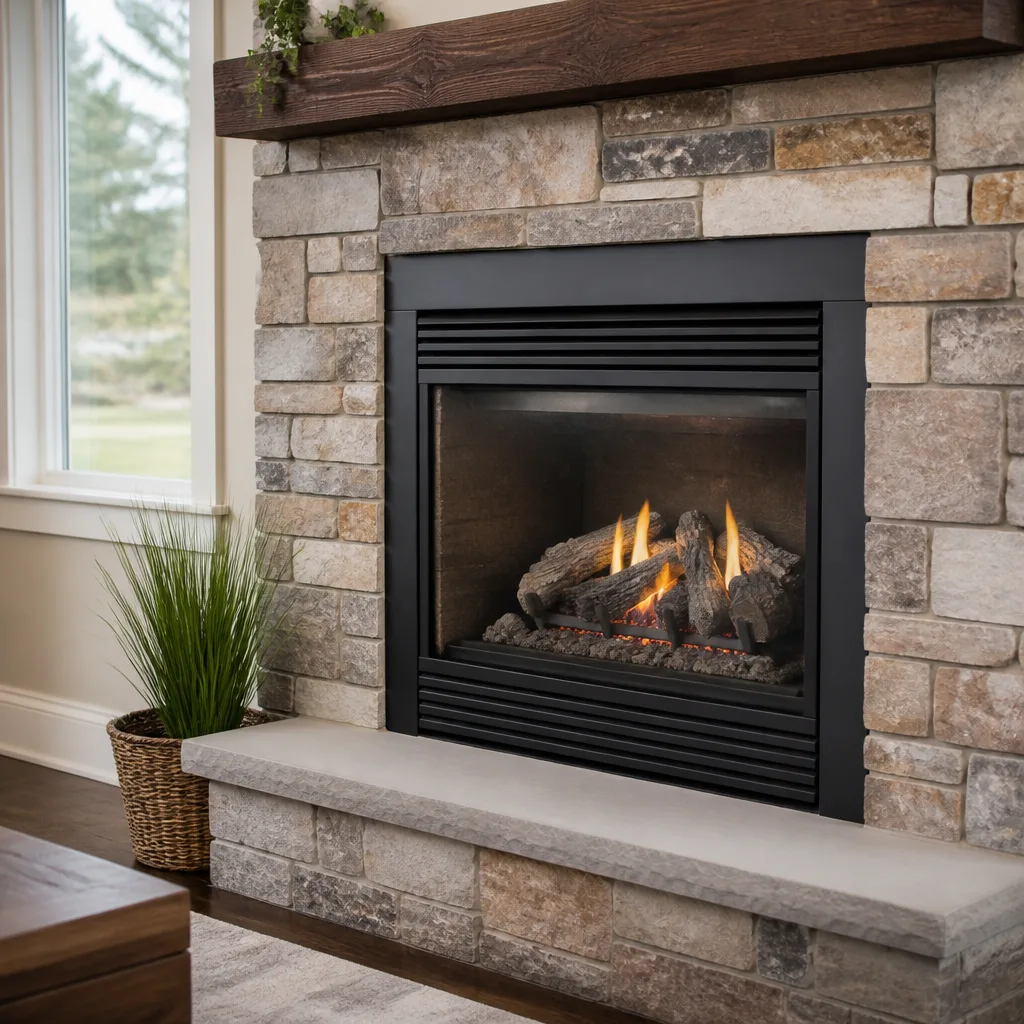 Gas fireplace service
Level 1 sweep and inspection to the NFPA 211 annual standard - flue, crown, cap, and flashing checked and photographed
Chimney sweep logs do not sweep chimneys. They loosen some creosote - which then falls where a brush and vacuum still have to collect it.
Seasonal Chimney Cleaning Care for San Carlos: Year-Round Homeowner’s Guide
Most San Carlos homeowners think about their chimney exactly twice a year: the first cold evening in fall when they reach for the gas key, and the morning they notice a strange smell coming from the fireplace. What happens during the other ten months matters more than either of those moments. A chimney that sits dormant through a Bay Area summer is accumulating creosote residue, wildlife debris, and fine wildfire particulate that hardens and bonds to the flue walls. By the time you light that first fire in November, the chimney you’re trusting hasn’t been cleaned or inspected in nearly a year. This guide explains what happens inside your flue during each San Carlos season, why the standard “sweep it in October” advice is dangerously incomplete for our specific climate, and the year-round habits that protect both your masonry and the air you breathe inside your home.
Quick Answer
In San Carlos, chimney maintenance is not a once-a-year event. You need four distinct seasonal actions: a spring post-winter inspection focused on animal intrusion and moisture entry before nesting season begins, a summer ash and particulate check (especially after wildfire smoke events), a pre-season sweep and inspection in early fall before the first fire, and a winter damper and moisture-management routine. The single highest-ROI habit is closing your damper every time the fireplace goes fully cold, which prevents the damp, particle-laden marine air from San Francisco Bay from cycling through your flue year-round.
Styles & brands we work with
- Sweep & inspection
- Caps & crowns
- Flue relining
- Masonry repair
- Gas fireplace service
Table of Contents
- Spring: The Post-Winter Inspection Window Before Animals Move In
- Summer: Wildfire Smoke, Dormant Flues, and Why a Cap Alone Isn’t Enough
- Fall: The Correct Pre-Season Sequence and Why Firing a Dirty Flue Is a Mistake
- Winter: Moisture Freeze-Thaw Cycling in Bay Area Masonry
- Year-Round: Damper Position Discipline and the Habits That Matter Most
- Common Mistakes to Avoid
- When to Call a Professional
- Frequently Asked Questions
Spring: The Post-Winter Inspection Window Before Animals Move In
By late February, the heavy-use season in San Carlos is winding down. Maybe you burned a dozen fires between November and January, maybe fewer. Either way, that flue now contains a layer of creosote and soot that has been baked onto the walls by repeated heating cycles. The mistake most homeowners make is thinking the chimney can wait until fall. Here’s the problem: spring is when animals start looking for cavity nesting sites, and an uncapped or damaged chimney is the most attractive vertical cavity in your neighborhood.
San Mateo County is home to several species that routinely colonize chimneys. Raccoons are the most destructive, capable of tearing apart a standard multi-flue cap or pushing through a deteriorated damper assembly. We also see chimney swifts in the late spring, which are federally protected under the Migratory Bird Treaty Act, meaning once they’ve nested, you cannot legally disturb them until the young have fledged. Squirrels and roof rats are year-round issues, but their activity spikes in April and May. If any of these animals gains access before you inspect the flue, you’re not dealing with a cleaning problem anymore. You’re dealing with a wildlife removal problem, often followed by a liner repair problem.
The spring inspection should happen once the fireplace has gone fully cold for at least a week. The sequence matters. We start with a visual exterior check: cap condition, crown cracking, brick spalling, and any signs of animal activity like claw marks on the cap or droppings at the firebox. Then we run an internal video scan to document the flue liner condition from top to bottom. This camera inspection is the only way to see hairline cracks in clay tile liners or early-stage spalling that you can’t detect from the firebox. We recommend this level of inspection in spring, not fall, because it gives you a full six months to address any repair findings at your own pace, before burning season puts pressure on the system.
If you need chimney work, the team at Chimney Sweep in San Carlos finds the issue on inspection and fixes it on the same call. Spring is the right time to schedule liner repair, cap replacement, or crown work because the weather is mild, the materials have time to cure properly, and you’re not competing with three hundred other homeowners who waited until the first cold snap.
Summer: Wildfire Smoke, Dormant Flues, and Why a Cap Alone Isn’t Enough
San Carlos sits in a position that catches smoke from every major wildfire complex in Northern California. When the SCU Lightning Complex fires burned in 2020, San Carlos recorded air quality index readings above 200 for multiple consecutive days. That same smoke that forces you inside and clogs your HVAC filter is also entering your chimney. Fine particulate matter, especially the sub-10-micron particles that make up wildfire ash, is sticky. It bonds to creosote residue already present on the flue walls, creating a hardened layer that’s more difficult to remove than either substance alone.
During wildfire season, your chimney is acting like a passive exhaust pipe even when the fireplace isn’t in use. The pressure differential between your cool interior and the warm exterior air pushes air up the flue, carrying smoke particles with it. A basic chimney cap with a spark arrestor screen blocks large embers and animals, but it does nothing to stop the sub-micron particulate that composes most wildfire smoke. The result is a flue that accumulates a significant ash and soot layer during a summer when you haven’t burned a single fire.
This is one reason the “we sweep in October” model is insufficient for San Carlos. A flue that sat through a heavy smoke season needs a cleaning before the first fire, not just a visual check. If you skip the cleaning and light a fire with a heavily particulate-loaded flue, you’re burning off that accumulated material under uncontrolled conditions, which is exactly the scenario that leads to chimney fires. The creosote ignition point is around 1,100 degrees Fahrenheit, and a hot fire with good draft can absolutely reach those temperatures in the upper flue.
For homeowners who want additional protection during smoke season, we recommend combining a professional sweep with a purpose-built Gelco chimney cap. These caps are designed to keep out water and animals while providing proper draft clearance. They will not stop smoke particles, but they will prevent the larger debris and wildlife intrusion that make particulate buildup worse. Your flue is a system, not just a tube. The cap, the crown, the liner, and the damper all matter when wildfire season pushes contaminants into the equation.
Fall: The Correct Pre-Season Sequence and Why Firing a Dirty Flue Is a Mistake
The single most dangerous habit we see in San Carlos every October is what we call the “test fire.” A homeowner hasn’t used the fireplace since March, the weather turns cold, and they decide to light a small fire just to make sure everything still works. That test fire is burning off nine months of accumulated creosote, wildlife material, and wildfire particulate. The chimney is at its dirtiest, the flue tiles are at their coldest, and the draft is at its weakest because the temperature differential between inside and outside hasn’t fully established yet.
The correct pre-season sequence is a sweep first, then an inspection, then any necessary repairs, then and only then the first fire. The sweep removes the accumulated material so the inspection can actually see the flue surfaces. A camera scan through a dirty flue shows you creosote, not liner condition. Once the flue is clean and the video inspection is complete, we know whether the liner is structurally sound and whether the cap, crown, and flashing are functioning. If repairs are needed, they get done before the burning season starts, not after the first chimney fire.
October is also the time to think about liner condition with a full season of use ahead. Older San Carlos homes, especially those built before 1980, typically have clay tile liners that have been in service for 40 or more years. Clay tile is durable, but it does not handle thermal stress well over time. Repeated heating cycles cause the tiles to crack, and once a tile liner has vertical cracking running between flue sections, it is no longer providing the fire containment it was designed for. The fix is either a full stainless relining with a chimney repair in San Carlos specialist, or a HeatShield resurfacing job that restores the existing liner with a ceramic coating. HeatShield is the product we recommend most often for partial liner deterioration because it addresses the problem at a fraction of the cost of a full reline, and it’s a procedure that most general chimney sweeps cannot perform because they don’t have access to the proprietary application equipment.
Winter: Moisture Freeze-Thaw Cycling in Bay Area Masonry
Homeowners who moved to San Carlos from the Northeast often assume freeze-thaw damage is not a Bay Area concern. That’s partially correct, but the exception matters. San Carlos sits in a microclimate where overnight temperatures dip into the low 30s on clear winter nights, especially in the hillier areas east of El Camino Real and up into the San Carlos hills. When those freezing temperatures follow rain events, any water that has penetrated the masonry is now going through a freeze cycle.
The critical variable is the mortar. Older San Carlos homes, particularly those built before the 1960s, were often constructed with lime-based mortar rather than Portland cement mortar. Lime mortar is softer and more porous, which was actually a deliberate engineering choice at the time: softer mortar allows the masonry to flex and breathe without cracking the brick units themselves. The downside is that lime mortar absorbs more water and is more vulnerable to freeze-thaw spalling. A chimney with original lime mortar that has been exposed to decades of Bay Area winter moisture cycling will show deterioration at the mortar joints first, then progressing spalling on the brick faces.
The winter maintenance pattern in San Carlos is about moisture management more than anything else. The two most important controls are a functioning chimney cap and a properly installed crown with an overhang that sheds water away from the brick faces. If your chimney lacks either, every rain event is pushing water into the masonry system. When that water freezes, it expands by roughly 9 percent, and that expansion is what cracks mortar joints and spalls brick faces. It’s a slow process, but it compounds every winter, and the damage is often invisible until spring because the early-stage cracking is happening inside the masonry where you can’t see it.
We also see a winter-specific problem with dampers. A chimney cap that’s missing or damaged allows rain to run directly down the flue and onto the damper assembly. The damper is typically a cast-iron plate that’s not designed for constant water exposure. Rust forms, the pivot mechanism seizes, and suddenly the damper either won’t close or won’t open. This is a leading cause of the cold draft complaint we hear every January from San Carlos homeowners. The fix usually starts with a proper cap, then either cleaning and lubricating the damper or replacing it with a top-sealing model from Copperfield, which is a brand we specify for these applications because the engineering tolerances are tighter than what you’ll get from a generic replacement.
Year-Round: Damper Position Discipline and the Habits That Matter Most
If you develop one chimney-related habit, make it this: always know your damper position. When the fireplace is not in use, the damper should be fully closed. This sounds obvious, but in our experience, at least a third of San Carlos homes we inspect have a damper that’s been left open, often for months, because someone forgot to close it after a fire or because the damper mechanism has become stiff and difficult to operate. An open damper is a year-round liability. In summer, it draws warm exterior air into the home and allows wildfire particulate to enter the flue. In winter, it’s a direct cold-air leak into the living space. In spring, it’s an invitation for animals looking for a route into a warm cavity.
The second habit is an annual visual check, even in years when you’re not scheduling a professional sweep. Walk around the exterior of your home and look at the chimney crown and cap. Look for missing mortar joints, visible cracking, moss growth on the brick, or a cap that’s been knocked out of position. The chimney crown is the most exposed component of the entire system, and it’s the first thing to fail on most San Carlos chimneys. Catching a crown crack in spring means a repair job measured in hundreds of dollars. Missing it until fall means water has been entering the system for a full season, and now you’re looking at a liner evaluation and possibly a reline.
The third habit is understanding your dryer vent as part of the same system. The phrase we use with clients is “dryer vents are chimneys too.” Every year, dryer vent fires destroy homes across San Mateo County, and the mechanism is identical to a chimney fire: flammable material accumulates in an enclosed duct, and a heat source ignites it. We include dryer vent cleaning in San Carlos in the same professional service umbrella as chimney work because the inspection mindset is the same. You’re looking for airflow obstruction, flammable material accumulation, and proper termination. A blocked dryer vent also forces the dryer to work harder, which shortens appliance life and increases energy costs. We recommend having the dryer vent cleaned at least once every two years, and annually if the vent run is longer than 10 feet or has multiple turns.
The fourth habit is keeping a basic log of fireplace use. You don’t need anything elaborate, but knowing roughly how many fires you burned in a season helps a professional assess whether an annual sweep is sufficient or whether you’re in a usage category that warrants a mid-season check. Burning more than two cords of wood per season, or using the fireplace more than three nights per week during the winter, likely puts you in the twice-a-year cleaning category. Softwoods like pine and fir, which are common in Bay Area firewood deliveries, are also higher in resin than hardwoods like oak, which means faster creosote accumulation even with the same fire frequency.
Common Mistakes to Avoid
- Skipping the spring inspection because the fireplace is “done for the year.” The post-winter window is when animal intrusion begins, when moisture damage from the winter reveals itself, and when you still have months to address repairs before the first cold night. By the time October arrives, you’re too late to fix anything without delaying your burning season.
- Lighting a test fire in the fall before the chimney has been swept. This is the highest-risk single action a San Carlos homeowner can take with a dirty chimney. You’re igniting accumulated creosote and wildfire particulate in a flue that hasn’t had its draft verified. Always sweep first, then burn.
- Assuming a chimney cap solves all animal and moisture problems. A cap is essential, but it’s only one component. A cap that’s the wrong size for the flue, a cap with a damaged spark arrestor screen, or a cap with an improperly sealed base plate can create as many problems as having no cap at all. The cap needs to be matched to the specific flue dimensions and chimney configuration.
- Ignoring the dryer vent until the dryer stops working. By the time a dryer vent is fully clogged, the system has been operating at reduced efficiency for months, and the lint accumulation is substantial enough to be a genuine fire hazard. The dryer vent is part of the same exhaust system your chimney serves, and it deserves the same inspection discipline.
- Using the “it’s California, it doesn’t freeze” assumption to defer masonry repairs. San Carlos absolutely sees freeze-thaw cycles in the winter, particularly in the hills where nighttime temperatures drop further than the Bay-side neighborhoods. Older lime mortar chimneys are especially vulnerable, and deferring a crown repair by one season can turn a simple repointing job into a structural rebuild.
- Burning “just a few fires” without ever having the chimney inspected. Even occasional use creates creosote buildup. The accumulation rate depends on wood type, burn temperature, and chimney configuration, not just frequency. A single season of burning wet or resinous wood can create enough creosote to support a chimney fire.
When to Call a Professional
Call a professional if you see any of the following: visible smoke entering the living space during a fire, a persistent smell coming from the fireplace after the fire is out, black or brown staining on the walls near the fireplace, water streaks or efflorescence on the interior or exterior chimney masonry, or if you haven’t had the chimney inspected in more than two years. If you’re in San Carlos and you want a full inspection with video documentation, Chimney Sweep San Carlos offers free estimates and professional camera scans. Chimney Sweep San Carlos home provides the complete service line from sweeping to relining to dryer vent cleaning. Call (833) 620-0350.
Frequently Asked Questions
A standard chimney sweep and inspection in San Carlos typically runs between $180 and $340, depending on the complexity of the system and the level of inspection required. Chimneys with multiple flues, steep roof pitches, or difficult access will fall toward the higher end. If the inspection reveals liner damage that requires HeatShield resurfacing or a DuraFlex relining, those are separate repair costs discussed after you’ve seen the camera footage. Call (833) 620-0350 for a firm quote on your specific system.
For most San Carlos homeowners burning one to two cords of wood per season, an annual sweep and inspection is sufficient. If you burn more than that, use the fireplace more than three nights per week, or burn predominantly softwood like pine and fir, you should schedule twice a year: mid-season and pre-season. If the chimney sat unused during a heavy wildfire smoke summer, a pre-season sweep is especially important.
Not necessarily. Hairline cracks in clay tile liners can often be addressed with HeatShield ceramic resurfacing, which restores the liner without the cost and disruption of a full teardown and reline. The decision depends on the extent and location of the damage, which is why we don’t make liner recommendations without video evidence. Chimney repair in San Carlos starts with a documented diagnosis so you can see exactly what we’re seeing before you approve any repair work.
Creosote accumulates in layers. The bottom layer hardens into a glaze-like substance that’s extremely flammable and difficult to remove. The upper layers are softer and more easily ignited. Once the flue has a significant creosote load, the risk of a chimney fire escalates with every burn. A chimney fire can crack clay liners, warp stainless liners, and in severe cases, transfer enough heat through the masonry to ignite framing members. The repair cost after a chimney fire is almost always higher than a decade of annual sweeps.
The first line of defense is a properly sized and installed chimney cap with a spark arrestor screen. The cap needs to be fitted to your specific flue tile dimensions and secured so raccoons can’t dislodge it. The second line of defense is closing your damper after every fire, which prevents animals that do navigate the cap from entering the living space. We recommend Gelco caps for most residential applications because their mounting systems are engineered for the specific flue shapes common in Bay Area construction.
You can physically sweep a chimney with brushes from a home improvement store, but what you cannot do is a proper inspection. The most common problems we find on San Carlos chimneys are not creosote buildup but liner cracks, mortar deterioration, and improper cap installation, none of which are visible to a homeowner sweeping from the firebox. A professional sweep also includes a video inspection, which gives you a documentation trail for insurance purposes and future repair planning. The safety stakes are high enough that this is one area where professional equipment and training genuinely matter.
The Bottom Line
San Carlos has a mild climate that tricks homeowners into thinking chimney maintenance is a fall-only task. The reality is that each season here creates a distinct threat: spring brings animal intrusion, summer deposits wildfire particulate, fall presents the risks of burning a dirty flue, and winter subjects aging masonry to freeze-thaw cycling. The solution is a year-round maintenance mindset: a spring inspection, a summer particulate check, a pre-season fall sweep and inspection, and disciplined damper management all year. Dryer vent cleaning in San Carlos belongs in the same schedule, since dryer vents are subject to the same accumulation dynamics as chimney flues. The best time to schedule your San Carlos chimney inspection is before you notice a problem.
Written by the team at Chimney Sweep San Carlos, serving San Carlos since 2011.
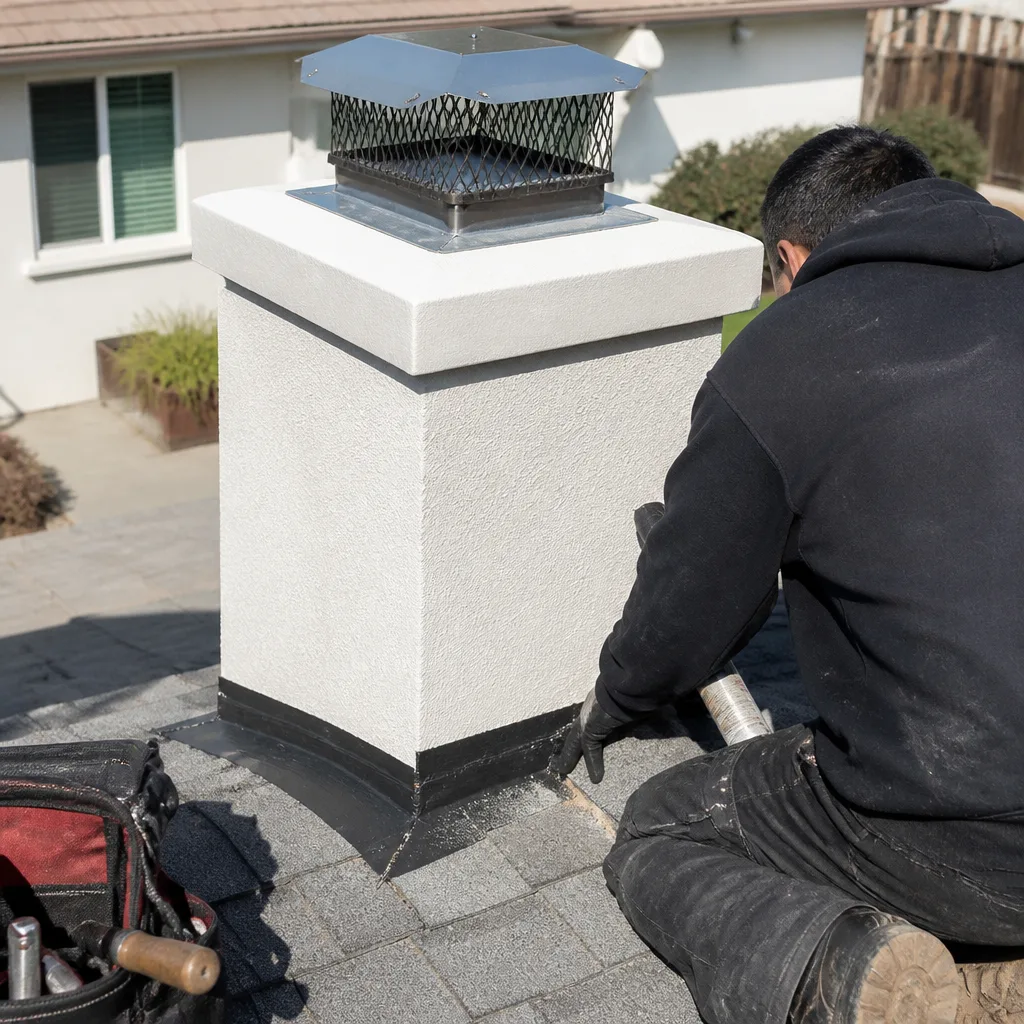
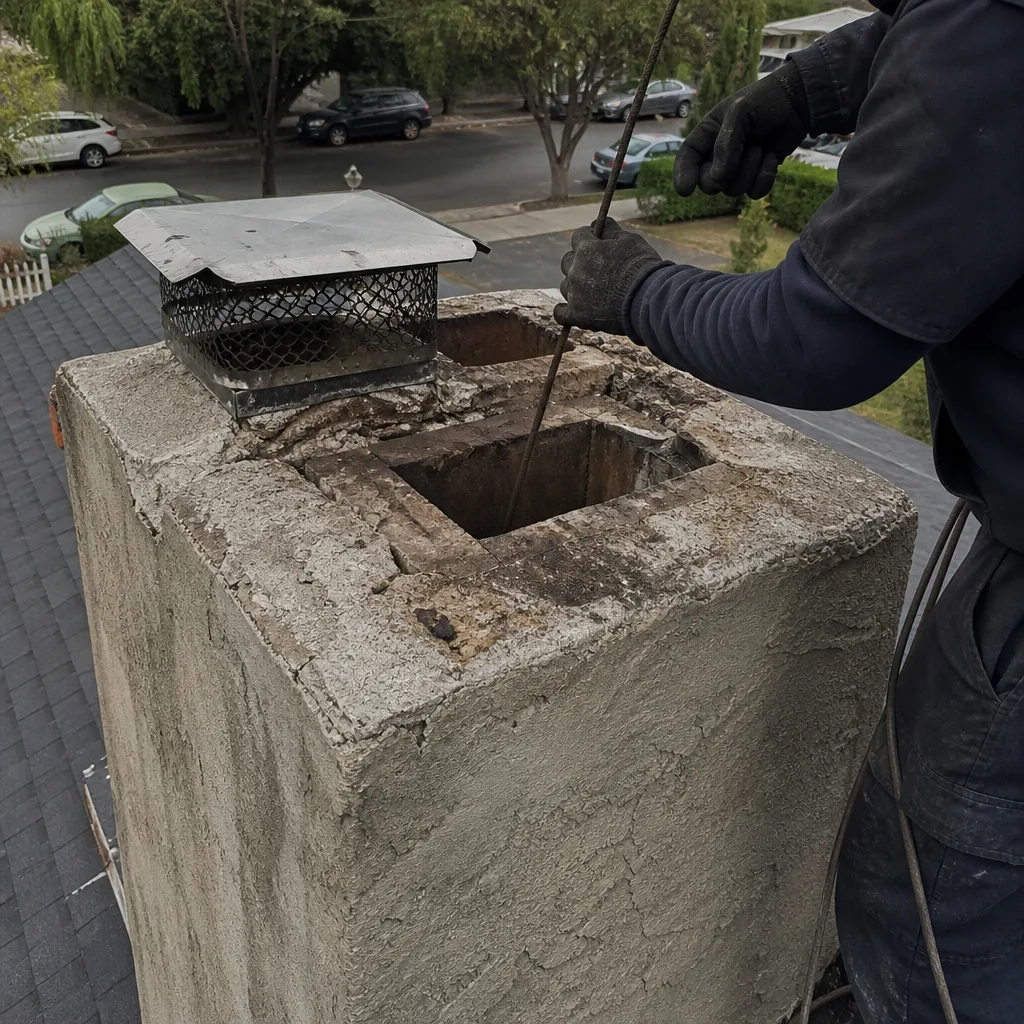
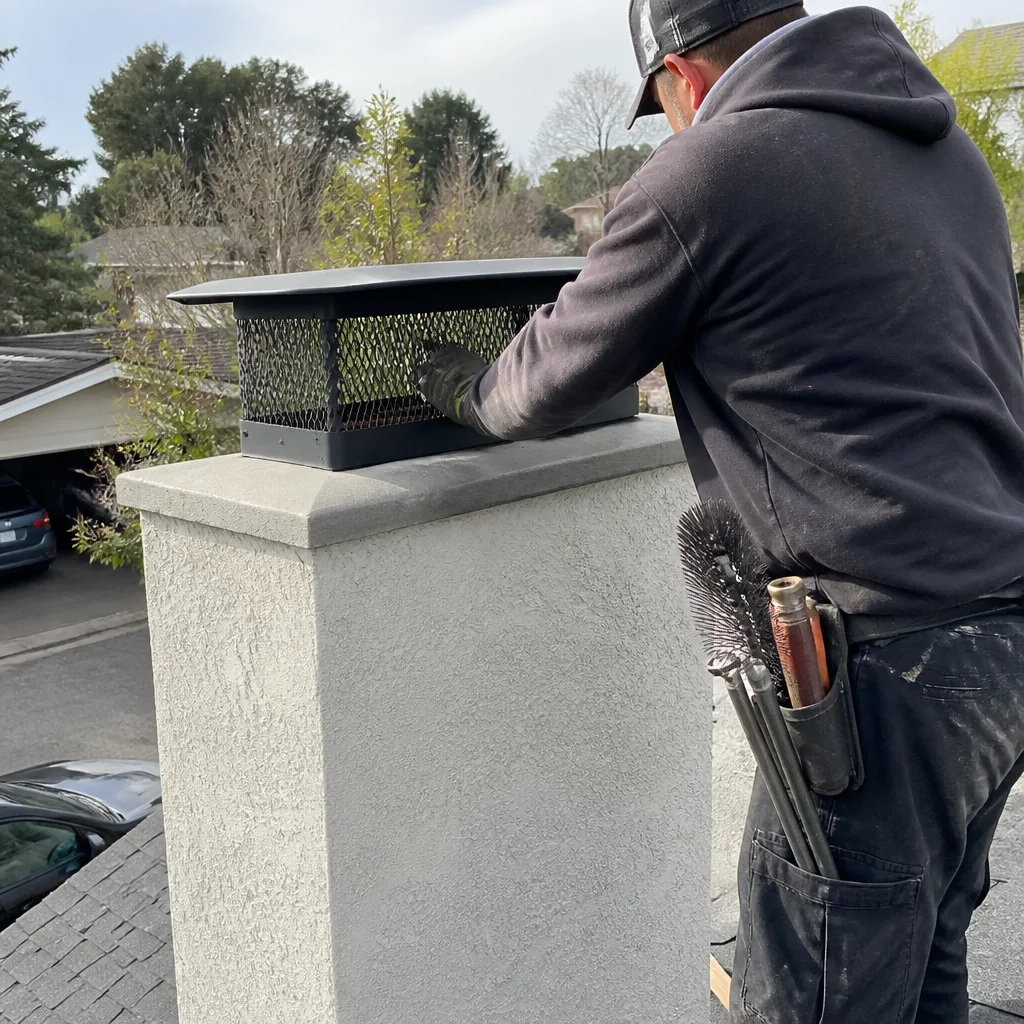
See the difference
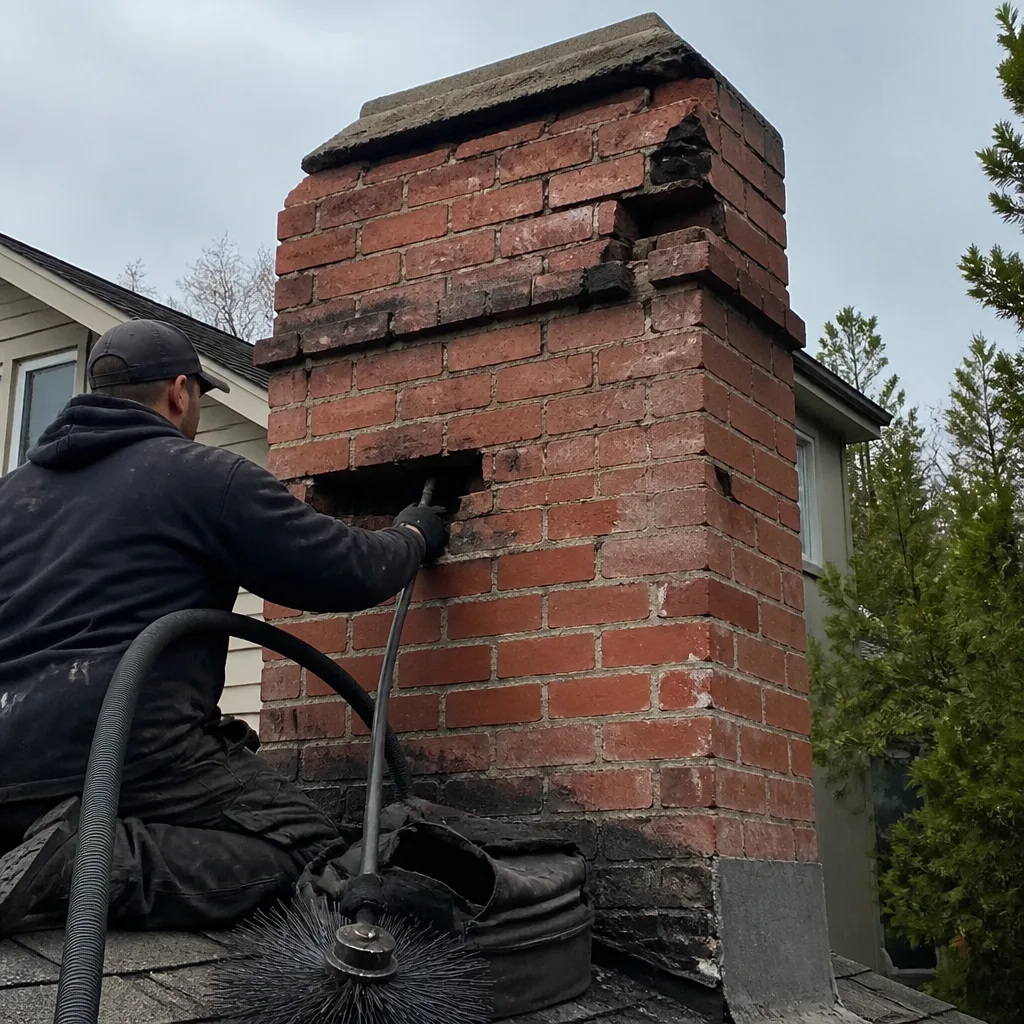 Before
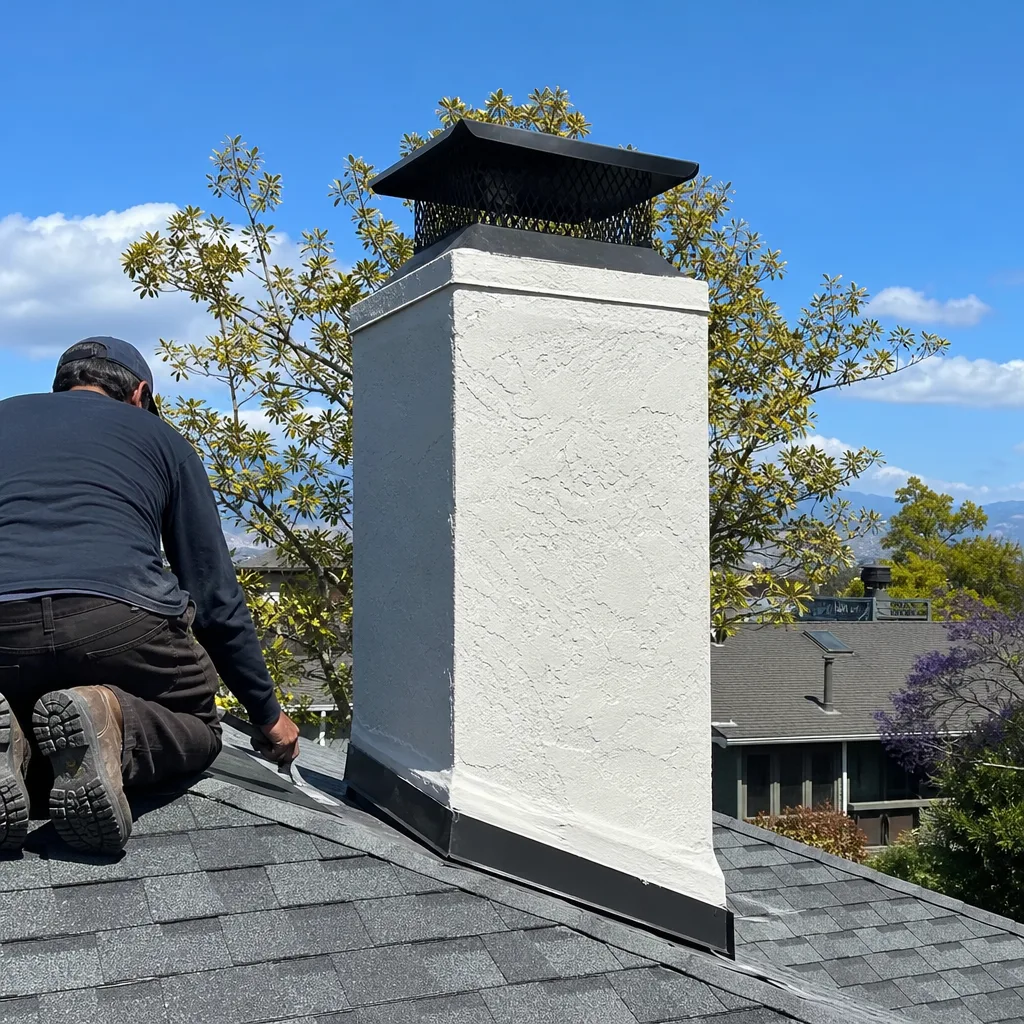 After
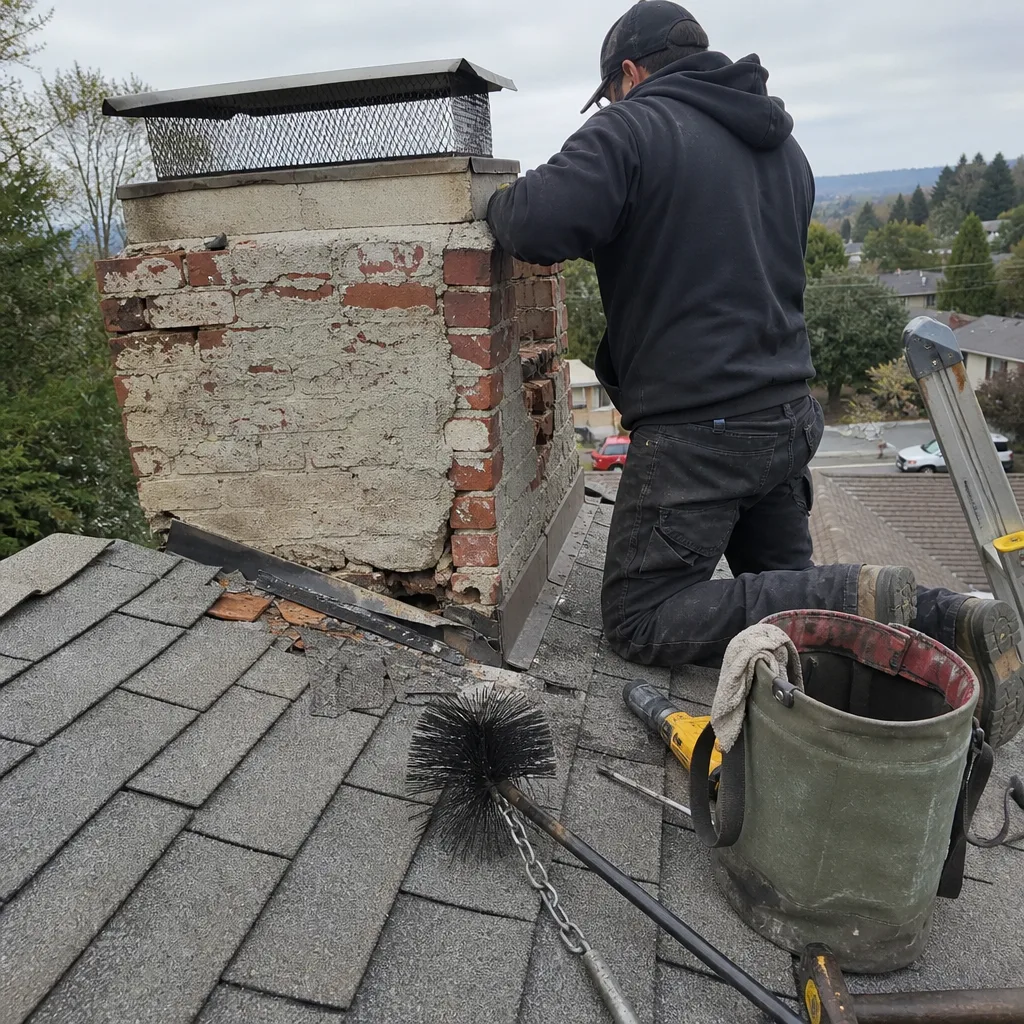 Before
 After
 Before
 After