
Last updated November 2, 2026
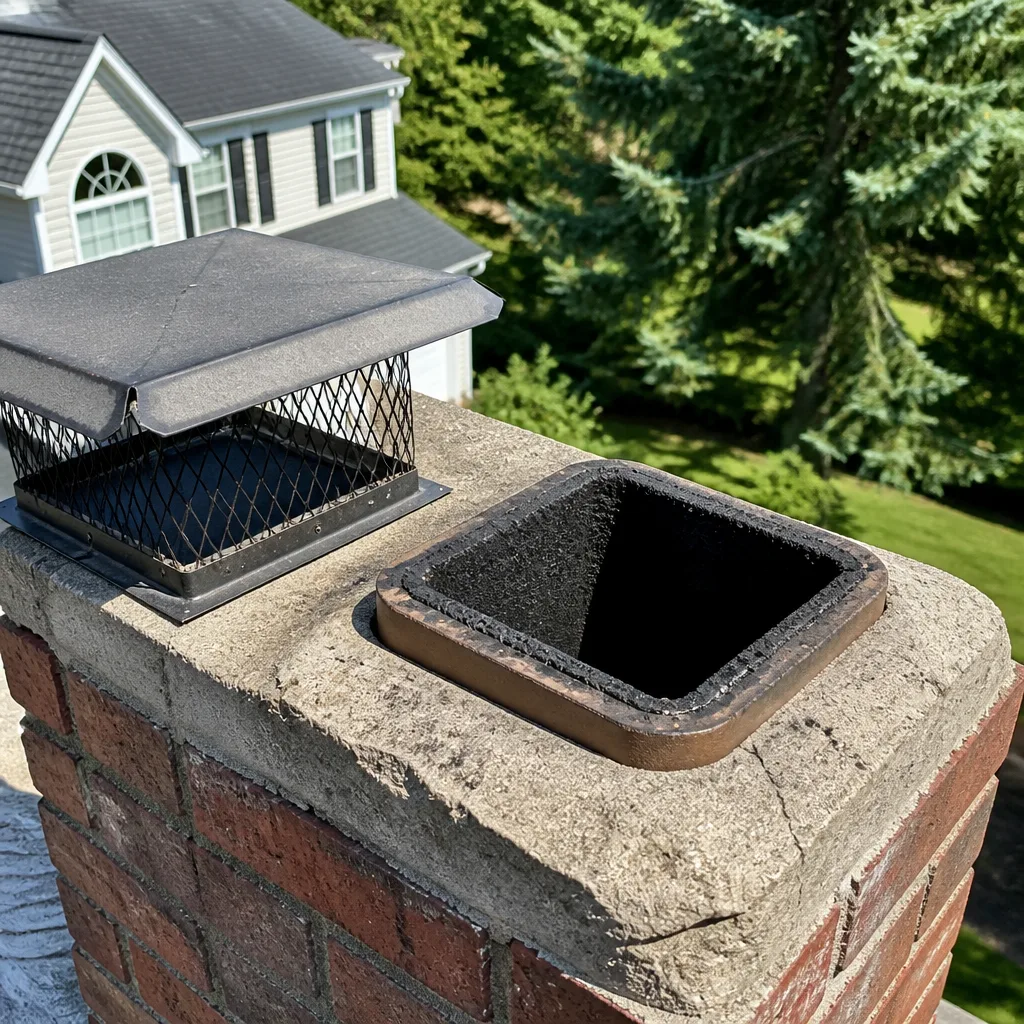 Sweep & inspection
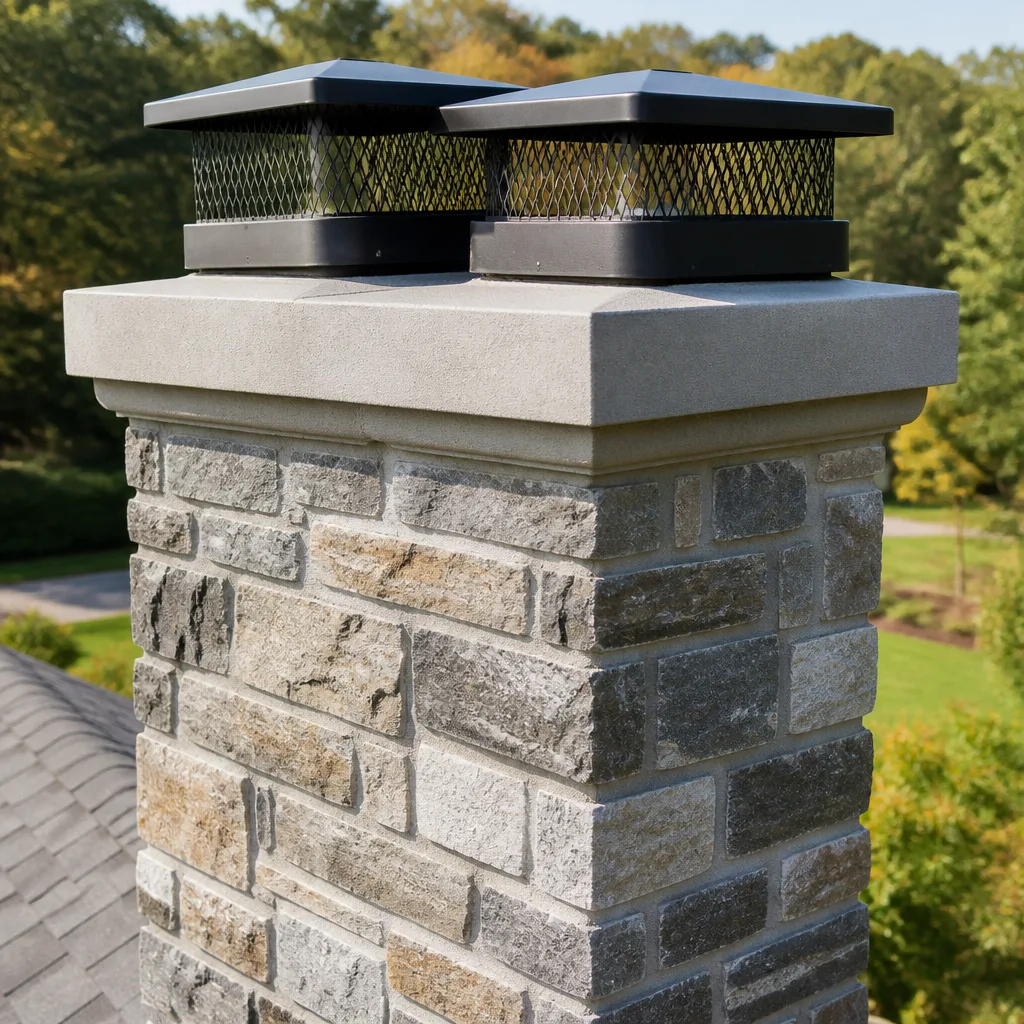 Caps & crowns
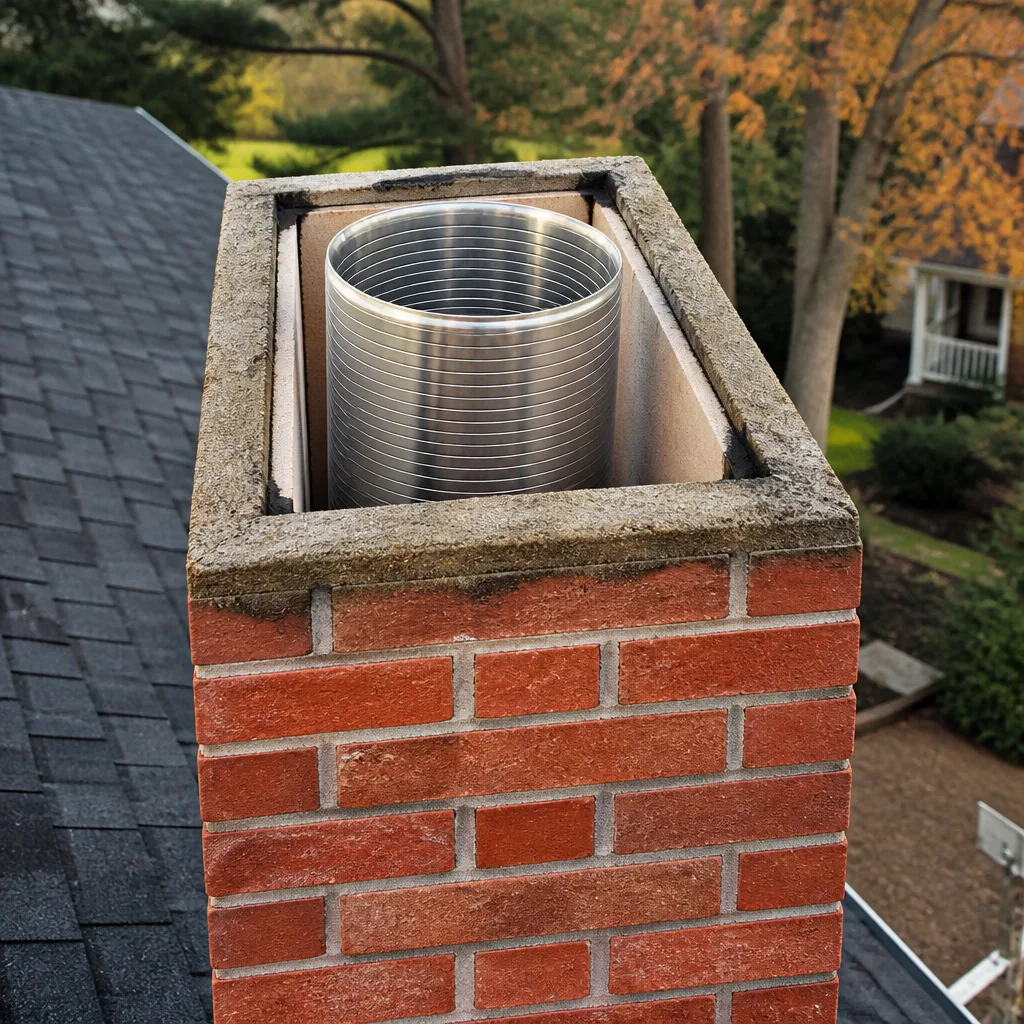 Flue relining
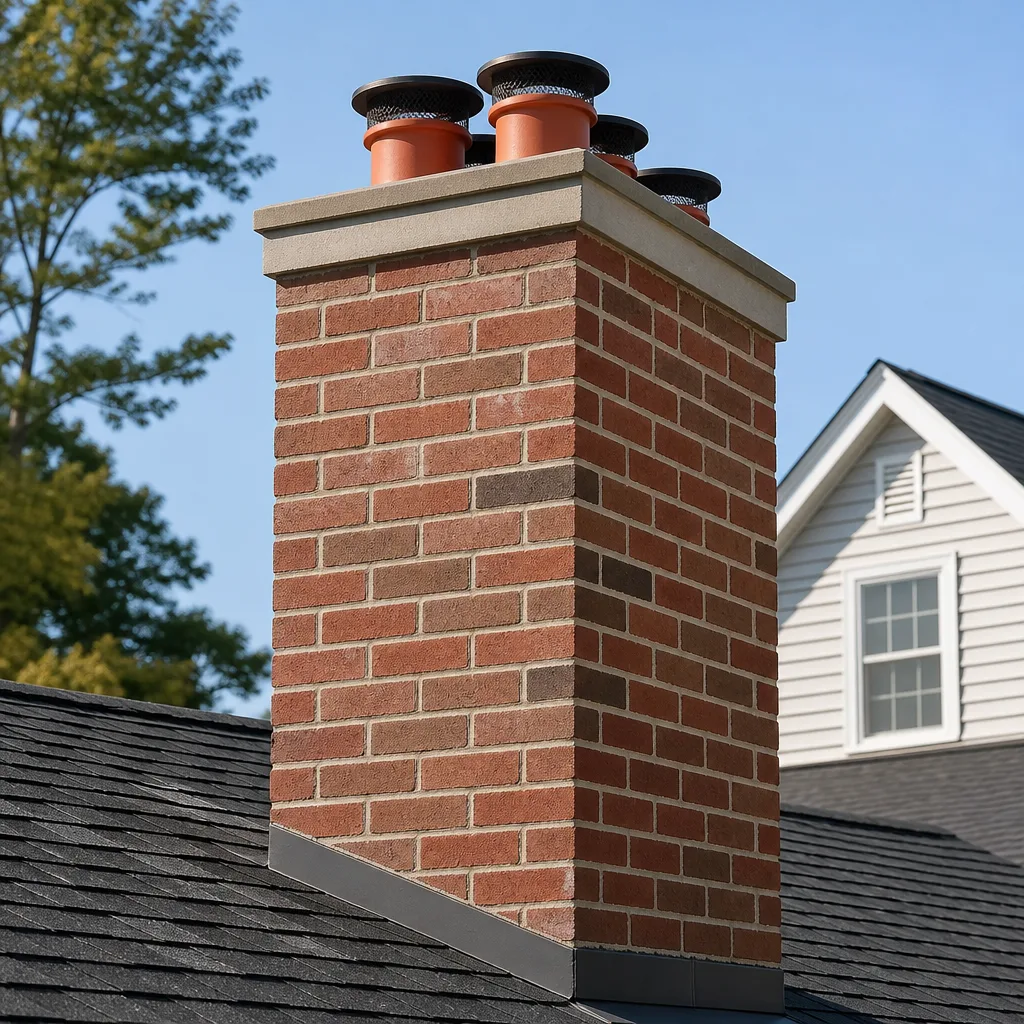 Masonry repair
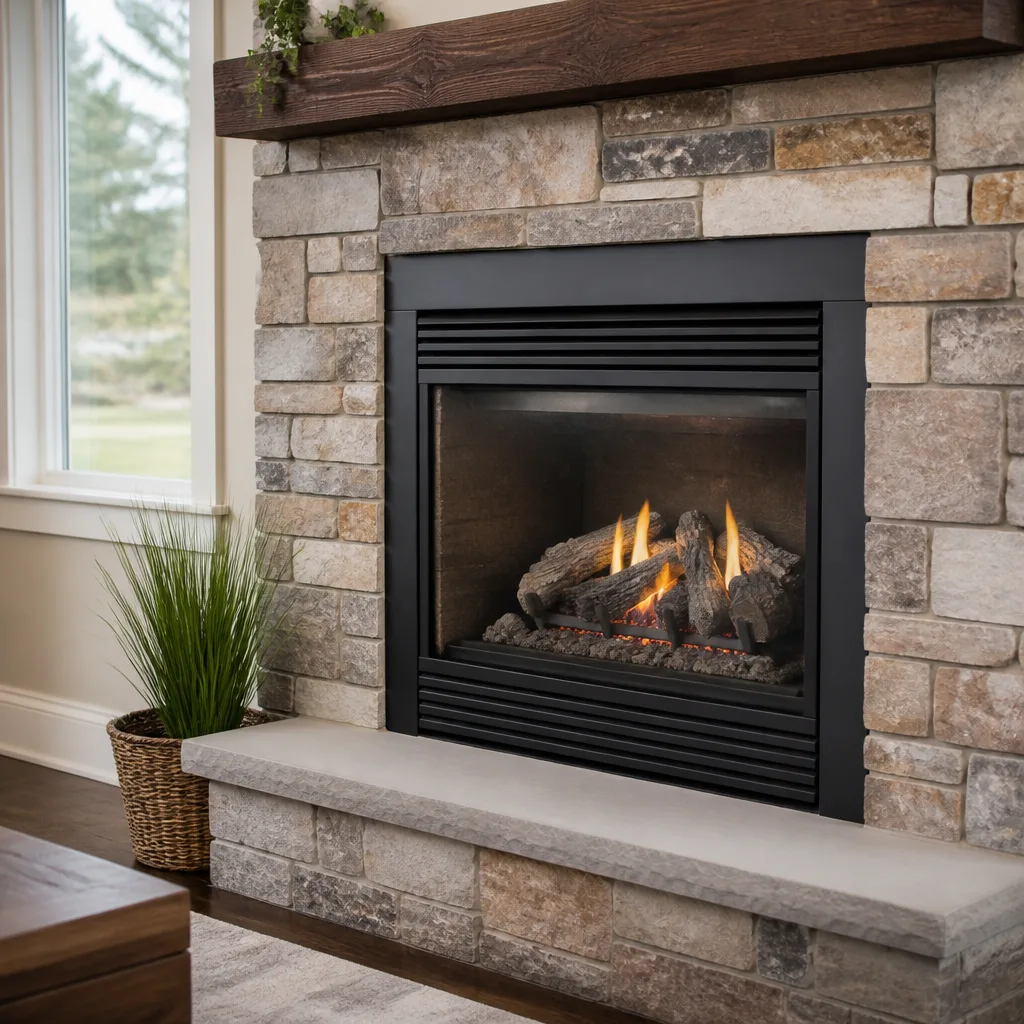 Gas fireplace service
Level 1 sweep and inspection to the NFPA 211 annual standard - flue, crown, cap, and flashing checked and photographed
Chimney sweep logs do not sweep chimneys. They loosen some creosote - which then falls where a brush and vacuum still have to collect it.
Chimney Sweep Troubleshooting: Common Problems and How to Fix Them
Most chimney troubleshooting guides read like a symptom checklist: smoke in the house? Check the damper. Bad smell? Sweep the flue. It’s clean, simple, and wrong often enough to matter. In San Carlos, where homes range from 1950s ranchers with original masonry to 1990s builds with prefabricated systems, we see the same pattern repeatedly: a homeowner replaces a damper to fix a smoke problem, spends $400 on hardware, and still has a carbon monoxide risk because the actual cause was a blocked liner connector. Misdiagnosis in chimney troubleshooting isn’t just wasteful. It’s dangerous. This guide gives you a branching diagnostic framework instead of a symptom list, so you can trace what’s actually happening in your flue before spending money on a fix that won’t work. For more detail, see our The Complete Chimney Sweep Guide for San Carlos Homeowners.
Quick Answer
Most chimney problems are symptoms of one of four root causes: a restricted flue, a liner problem, negative air pressure in the house, or creosote buildup at the wrong stage. Smoke rollout, musty odors, sulfur smells, and slow draws each point to a different underlying issue, and fixing the wrong one won’t solve the problem. Work through the diagnostic branches below before you replace any hardware.
Styles & brands we work with
- Sweep & inspection
- Caps & crowns
- Flue relining
- Masonry repair
- Gas fireplace service
Table of Contents
- Smoke Rollout: Understanding the Direction, Timing, and Color
- Draft Problems: Liner Sizing vs. Competing Exhaust Appliances
- Creosote Stages: Why Second-Stage and Third-Stage Require Different Approaches
- Chimney Odors: Sulfur, Musty, and Acrid Smells Mean Different Things
- When You Need a Camera Inspection (and When You Don’t)
- Liner Repair Options: Resurfacing vs. Full Replacement
- Dryer Vents Are Chimneys Too
- Common Mistakes to Avoid
- When to Call a Professional
- Frequently Asked Questions
Smoke Rollout: Reading Direction, Timing, and Color as Diagnostic Data
Smoke entering your living space is never normal, and the direction it rolls tells you more than most homeowners realize. In San Carlos homes, we’ve traced smoke rollout to three distinct causes, each requiring a different fix.
Smoke Pushing Forward from the Fireplace Opening
When smoke pushes out the top of the fireplace opening and curls into the room, that’s a draft reversal. The flue isn’t pulling air up and out; something is pushing air down the chimney. Before you replace anything, check whether an exhaust fan is running somewhere in the house. A powerful range hood on high, a bathroom fan, or a whole-house attic fan can create enough negative pressure inside your home to overwhelm the chimney’s natural draft. The chimney becomes a make-up air inlet, pulling outside air down the flue and pushing smoke back into the room.
Open a window near the fireplace by about two inches and see if the smoke starts drawing upward. If it does, you have a negative air pressure problem, not a chimney problem. The fix isn’t a new damper; it’s either using your exhaust fans differently during fires or installing a make-up air system that feeds outside combustion air directly to the fireplace. Modern San Carlos homes built with tight building envelopes are especially prone to this, because there’s nowhere for replacement air to enter the house except through the chimney.
Smoke Seeping from the Sides or Masonry Joints
Smoke leaking through gaps between the fireplace face and the surround, or appearing at the base of the chimney, points to a liner problem, not a draft problem. If the clay tile liner inside your flue has cracked or the mortar joints between tiles have deteriorated, smoke can escape the liner and find its way through the masonry into the house. This is a fire-safety issue, because the gap that lets smoke out also lets heat reach combustible framing.
In San Carlos, homes built before the mid-1980s often have clay tile liners that are nearing or past their service life. The freeze-thaw cycles of the wet season, combined with the rapid heating and cooling during winter fires, stress these tiles until they crack. If smoke is finding alternate paths out of the firebox, a camera inspection is the reliable way to confirm liner failure. The Chimney Repair in San Carlos process at our company starts with that camera look, because guessing at liner condition through masonry is unreliable.
Smoke Color and Timing
White smoke early in a fire is usually just water vapor from moisture in the wood or the flue. Gray smoke that appears after the fire is going well is unburned wood gases, a sign of insufficient combustion air or wet fuel. Black smoke means creosote is igniting somewhere in the system, and that’s a chimney fire in progress. If you see black smoke, call the fire department first, then call us after the system has cooled. The black smoke is not a draft problem to troubleshoot; it’s an emergency.
Timing matters too. Smoke that starts rolling in only after the fire has burned for 20 or 30 minutes suggests a flue that heats up and then fails to sustain its draft, often because the liner is too large for the appliance. The flue never gets hot enough to maintain the pressure differential, and smoke stalls. This is a liner-sizing issue covered in the next section.
Draft Problems: Liner Sizing vs. Competing Exhaust Appliances
A slow draw that leaves your living room smoky and your fire struggling isn’t always a dirty chimney. Two distinct problems produce similar symptoms, and the fix for one does nothing for the other.
Liner Sizing Mismatches
Every appliance has an engineered flue size. A fireplace with a 30-inch opening needs a certain flue diameter to produce adequate draft. If a previous homeowner or a contractor installed a liner that’s too large for the appliance, the flue can’t heat up enough to create the pressure differential that pulls smoke upward. The smoke cools too quickly, slows down, and spills back into the room. The chimney looks clean on inspection, but the draft remains weak.
We see this most often in San Carlos homes where an open fireplace was converted to a wood stove or an insert without properly resizing the flue. The appliance changed but the venting didn’t. A DuraFlex flexible stainless-steel liner sized to the current appliance’s specifications solves this. The liner isn’t just a tube; it’s an engineered component that creates the right drafting conditions for the specific appliance it serves. Your flue is a system, not just a tube, and the sizing is part of the system.
Competing Exhaust Appliances Stealing Combustion Air
The other common slow-draw cause is mechanical air theft. A 400 CFM range hood running on high, combined with a bathroom exhaust fan and a clothes dryer, can depressurize your house enough that the chimney can’t overcome it. The air pressure outside the house becomes higher than inside, and the chimney becomes the path of least resistance for outside air to equalize the difference. Smoke comes back down the flue.
The test is simple: turn off every exhaust appliance in the house and crack a window near the fireplace. If the smoke starts drawing correctly, you don’t have a chimney problem. You have a house pressure problem. The permanent fix isn’t a stronger damper or a chimney cap; it’s either passive make-up air vents that bring outside air into the room without creating a draft on the occupants, or a direct-connect combustion air kit to the fireplace or stove. A homeowner who installs a new damper to fix this problem has spent money on the wrong solution.
Creosote Stages: Why Second-Stage and Third-Stage Require Different Approaches
Creosote is not one substance. It forms in three increasingly dangerous stages, and the difference between second-stage and third-stage matters more than most San Carlos homeowners realize. A sweep who doesn’t identify which stage is present before starting mechanical removal will leave the system unsafe.
Second-Stage Creosote: Flaky and Dark
Second-stage creosote is the black, flaky deposit that forms when wood gases condense on the cooler flue walls and then bake. This is the most common form in San Carlos chimneys, especially on coastal-adjacent properties where the marine layer keeps flues cooler than dry inland chimneys. Second-stage creosote responds to mechanical removal: rotary brushes, rods, and scrapers will take it off. It’s messy but straightforward.
Third-Stage Creosote: Hard, Glazed, and Dangerous
Third-stage creosote is a different animal. It forms when second-stage creosote is repeatedly heated without being cleaned, melting into a hard, shiny glaze that bonds to the flue wall. This glaze is concentrated fuel. It’s the material that feeds the hottest, most destructive chimney fires, and it cannot be safely removed by standard brushing. Attempting to scrape it mechanically is ineffective and can damage the flue liner.
Third-stage creosote requires chemical treatment before mechanical removal. A creosote removal product is applied to break down the chemical bonds in the glaze, making it friable enough for brushes to remove. This is a multi-step process, not a quick sweep. If you call a company that doesn’t distinguish between second and third-stage creosote, you’ll get a sweep that looks complete but leaves a hard fuel layer on the flue wall. That’s an unsafe chimney presented as clean. In our experience, homeowners in older San Carlos neighborhoods who’ve used their fireplaces heavily for years without a camera-checked cleaning often have third-stage creosote and don’t know it until we show them the footage.
Chimney Odors: Sulfur, Musty, and Acrid Smells Mean Different Things
Chimney odors are a diagnostic tool if you know how to read them. The type of smell, the conditions when it appears, and what the odor is doing all narrow down the source.
Sulfur or Rotting-Egg Odor
A sulfur smell from your chimney is not creosote and it’s not mold. Sulfur points to either a dead animal decomposing in the flue or, on gas appliances, an exhaust gas problem that can indicate incomplete combustion. In San Carlos, where tree cover is dense in the hills and birds nest readily in uncapped flues, we find dead rodents and birds in chimneys during the spring and summer. The smell is unmistakable: a sharp, acrid, rotting-egg odor that gets worse on warm days.
If you smell sulfur on a gas fireplace or gas log set, shut the appliance off and call a technician. Sulfur odor on a gas appliance can be a combustion warning sign. On a wood-burning fireplace during the off-season, it’s likely an animal. A properly installed cap with an animal guard, like a Chimney Sweep San Carlos home service we provide using Gelco caps and covers, prevents this.
Musty or Wet Odor
A musty, damp smell coming from the fireplace, especially after rain, indicates water intrusion. The source is almost always a failed or missing chimney cap, a damaged crown, or deteriorating masonry. Water gets into the flue, soaks into the creosote deposits, and creates the musty basement smell that fills the house on muggy days.
Water in the flue is a slow destroyer. It doesn’t just smell; it accelerates liner deterioration and compromises the masonry. The fix is often a proper chimney cap and a crown repair, not a dehumidifier. In San Carlos, our wet winters make this a recurring issue for homes on the western-facing hills where rain drives horizontally into uncapped flues.
Acrid or Burning Odor (When No Fire Is Burned)
An acrid, chemical, or burning smell coming from the fireplace when no fire is lit usually means third-stage creosote off-gassing in warm weather. The glaze heats up in the sun, releases volatile compounds, and the smell carries down into the house. It’s worse in late summer and early fall, before the first fire of the season. This is a warning that the flue is heavily loaded with fuel. A standard sweep won’t address it; third-stage creosote needs chemical treatment first.
When You Need a Camera Inspection (and When You Don’t)
Not every chimney problem requires a video scan. A camera inspection costs more than a visual check, and knowing when it’s justified saves you money while ensuring real safety problems get found.
When a Camera Inspection Is the Right Call
- Smoke seeping through masonry or walls – If smoke is finding paths out of the flue other than the chimney top, you need to see the liner interior. A camera confirms cracks, gaps, or failed mortar joints.
- After any chimney fire – A chimney fire can damage the liner, the masonry, and the roof structure. A visual check cannot reliably assess this. You need footage of the entire flue length.
- Before relining or resurfacing – If you’re considering a repair investment, you need to know the full condition of the flue. A camera shows whether HeatShield resurfacing is viable or whether full liner replacement is required.
- Recurring odor or draft problems that don’t respond to cleaning – If a standard sweep doesn’t resolve the issue, the problem is structural, not a buildup problem. The camera finds what the brush can’t.
When Visual Inspection Suffices
- Routine maintenance sweep on a recently camera-inspected flue – If you had a camera scan within the past three years and the flue was found sound, a visual check plus a sweep is reasonable.
- Simple cap replacement – No need to camera the full flue if the issue is a visibly rusted or missing cap at the top.
- Dryer vent cleaning – Dryer vents are short, straight, and accessible enough that a camera check is optional for most homes.
The cost distinction matters. A camera inspection in the San Carlos market typically adds $50 to $150 to a service call, depending on the system’s complexity. If you’ve never had your flue camera-inspected and you’re troubleshooting any of the problems in this guide, the camera is the fastest path to an accurate diagnosis. Without it, you’re paying for guesses.
Liner Repair Options: Resurfacing vs. Full Replacement
When a camera inspection reveals liner damage, the next question is whether you need a full replacement or whether the liner can be restored. The answer depends on the extent of the damage, the liner material, and the appliance’s venting requirements.
HeatShield Ceramic Resurfacing
HeatShield is a ceramic resurfacing system that repairs cracked and deteriorated clay tile liners without removing them. The process applies a specially formulated ceramic material to the existing flue walls, filling cracks, sealing gaps, and restoring the liner’s structural integrity and draft characteristics. The result is a smooth, continuous flue surface that’s rated for the temperatures your fireplace or stove produces.
The advantage is speed and cost: HeatShield resurfacing is typically completed in a single day and costs less than a full liner replacement. The limitation is that the existing liner must have enough structural integrity to serve as a base. If the clay tiles have collapsed or shifted significantly, resurfacing isn’t appropriate. In San Carlos homes with moderate liner cracking and no major structural failure, HeatShield resurfacing instead of full replacement is often the most cost-effective correct fix.
DuraFlex Flexible Stainless-Steel Liner Replacement
When the existing liner is too damaged for resurfacing, or when the appliance has changed and the flue needs resizing, a DuraFlex flexible stainless-steel liner is the industry-standard solution. DuraFlex liners are engineered to the appliance’s specific venting requirements, with the correct diameter and material grade for the fuel being burned. The liner is installed inside the existing flue, creating a new, code-compliant venting system without requiring the chimney to be torn down and rebuilt.
We install DuraFlex systems in San Carlos homes on a regular basis, and we specify the liner to the appliance. This matters because a wood stove needs a different liner than a gas insert, and a liner that’s wrong for the fuel will degrade prematurely or fail to draft correctly. Professional-grade materials, properly installed, mean the difference between a liner that lasts 20 years and one that needs replacement in five.
Dryer Vents Are Chimneys Too
The conversation about chimney troubleshooting almost always centers on the fireplace, but your clothes dryer vents through a flue system with the same safety characteristics: it moves hot exhaust, it accumulates flammable deposits, and it fails dangerously when blocked. Dryer Vent Cleaning in San Carlos is part of the same fire-safety conversation as fireplace maintenance, because lint ignites the same way creosote does.
Lint Buildup and Restricted Airflow
Lint accumulates in dryer vents at an alarming rate. Even with a lint screen in place, fine particles pass through and deposit on the vent walls over time. The restriction reduces airflow, which makes the dryer work harder, which increases the internal temperature, which makes the accumulated lint more likely to ignite. The National Fire Protection Association has consistently cited clothes dryers as one of the leading residential fire causes, and restricted vents are a primary contributor.
The warning signs mirror chimney draft problems: clothes taking longer to dry than they used to, the dryer exterior getting unusually hot, a burning smell while the dryer runs, or increased humidity in the laundry area. In San Carlos, where older homes often have long, multi-bend dryer vent runs that were never designed for modern high-efficiency dryers, the risk is elevated. We clean dryer vents as part of our full service scope, because the fire doesn’t care whether the fuel is creosote or lint.
Common Mistakes to Avoid
- Replacing hardware to fix a pressure problem. A new damper won’t fix smoke rollout caused by a range hood and bathroom fan running simultaneously. Open a window and test the draft before spending money on hardware.
- Brushing third-stage creosote without chemical treatment. If the creosote is hard and glazed, mechanical brushing alone leaves a fuel layer behind. The chimney looks cleaner but remains as dangerous as it was before.
- Ignoring water intrusion as a maintenance issue. A missing cap or cracked crown isn’t something to defer. Water accelerates every other chimney problem, including liner failure and masonry deterioration. In San Carlos’s wet winters, a season of neglect costs two seasons of repair.
- Assuming one cleaning solves recurring odors. If the smell returns after a sweep, the problem is structural: a liner crack, a water entry path, or an animal entry point. Clean it again and you’ll still have the smell.
- Skipping the camera inspection to save money on a chronic problem. A camera scan costs a fraction of one repair. If the problem has persisted through two cleanings, the camera will find the answer in minutes.
- Neglecting dryer vent maintenance. Lint fires don’t announce themselves. The first sign of a restricted dryer vent is often the fire itself. Treat your dryer vent with the same seriousness as your fireplace flue.
When to Call a Professional
Some chimney problems are safe to observe and document; none are safe to fix without professional equipment and training. High-tension components, fire containment, and gas combustion are not DIY territory. If you’ve identified smoke rollout from a liner problem, confirmed third-stage creosote, found water in the flue, or have any suspicion of a chimney fire, call before using the fireplace again. The cost of a professional diagnosis is a fraction of the cost of a house fire. Chimney Sweep in San Carlos service from our team includes a camera inspection, creosote staging assessment, and a written report with footage you can see. We find it on inspection, we fix it on the same call. Free estimates in San Carlos: call (833) 620-0350.
Frequently Asked Questions
A standard Chimney Sweep and inspection in San Carlos typically costs between $180 and $350, depending on the system’s condition and accessibility. Third-stage creosote treatment, camera inspections, and repair work are additional. Call (833) 620-0350 for an exact quote based on your chimney’s condition; estimates are free.
The National Fire Protection Association standard is that chimneys should be swept when creosote buildup reaches 1/8 inch, regardless of time since the last cleaning. For most San Carlos homeowners who burn wood regularly through the winter, this means an annual sweep before the first fire of the season. Gas fireplaces can go longer between cleanings but still benefit from an annual inspection.
Many liners, especially clay tile ones with moderate cracking, can be restored with HeatShield ceramic resurfacing rather than replaced. The decision depends on the damage’s extent, which a camera inspection reveals. If the existing liner is fundamentally sound, resurfacing is often the cost-correct choice. If it has collapsed or shifted, replacement with a DuraFlex stainless-steel liner is the appropriate fix. Call (833) 620-0350 for a camera inspection and honest recommendation.
Creosote accumulates in stages, and each skipped season means more fuel on the flue walls. By the third or fourth year of regular burning without cleaning, second-stage creosote often transitions to third-stage glaze, which is the material that feeds destructive chimney fires. Even if no fire occurs, the buildup restricts draft, increases smoke spillback, and accelerates liner deterioration. The chimney that needs a $250 sweep today may need a $3,000 liner repair in five years.
A properly sized and installed cap with an animal guard stops most water intrusion and all animal entry through the flue top. We specify Gelco caps to match the flue dimensions and the home’s exposure, because a generic cap that doesn’t fit right leaves gaps that wind-driven rain exploits. Caps also keep birds, squirrels, and raccoons out of the flue, which prevents the sulfur-odor problems discussed above.
A summer odor from the fireplace is usually either saturated creosote off-gassing in the heat or a dead animal in the flue. The smell type tells you which: musty and damp points to water in the creosote, acrid and chemical points to third-stage glaze heating in the sun, sulfur points to a decomposing animal. A camera inspection narrows the source quickly, and the fix ranges from a cleaning to a cap installation to a full liner treatment depending on what’s actually in there.
The Bottom Line
Chimney troubleshooting is a diagnostic discipline, not a symptom-matching exercise. Smoke rollout may be a pressure problem or a liner failure. Creosote may be a routine cleaning or a chemical treatment. Odors may be water, animals, or fuel off-gassing. The fix that works is the one matched to the actual root cause, not the one that matches the most common explanation. In San Carlos, where aging masonry chimneys meet wet winters and modern tight-building renovations, the range of possible causes is wider than most guides acknowledge. A camera inspection resolves the ambiguity quickly, and a company that repairs on the same call resolves the problem without a second contractor. Explore more guides & resources on keeping your system safe year-round. The chimney that’s properly diagnosed once is safer than the one that’s cleaned twice.
Written by the team at Chimney Sweep San Carlos, serving San Carlos since 2011.
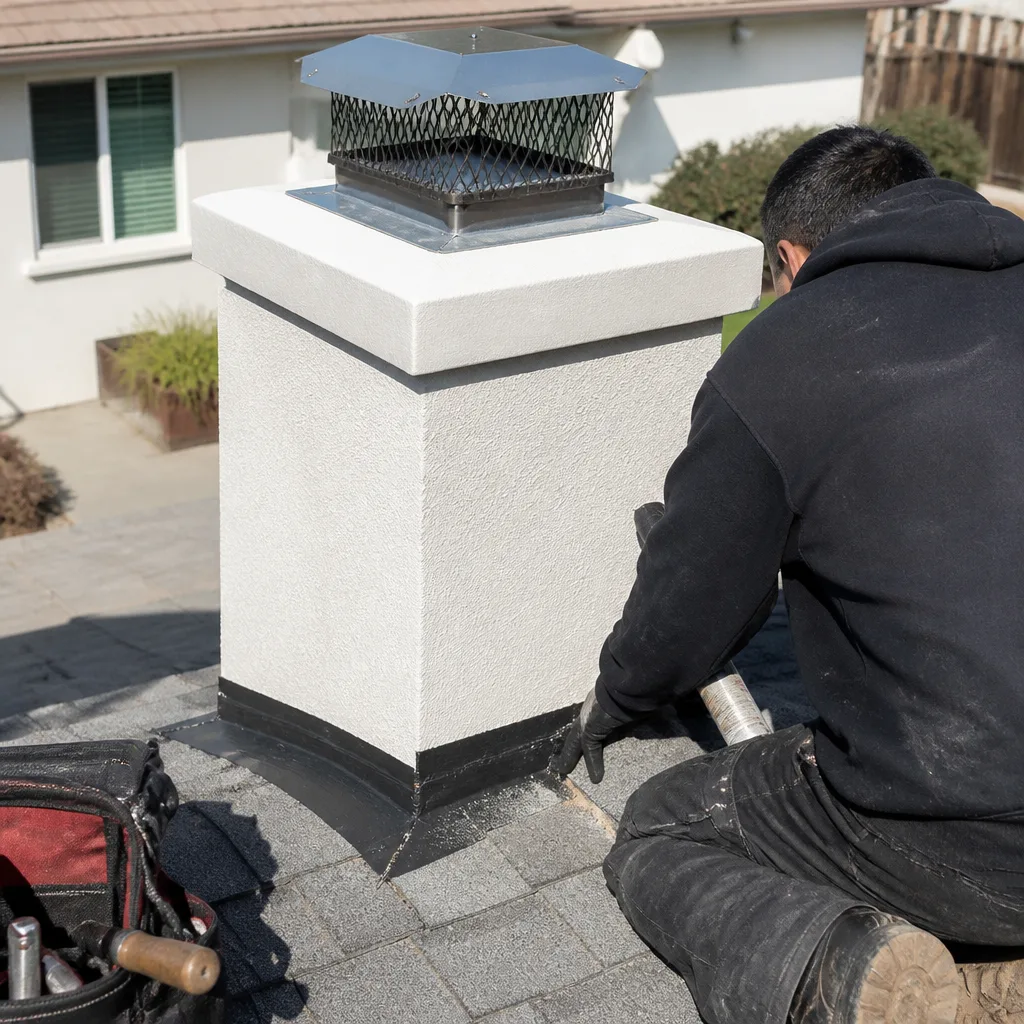
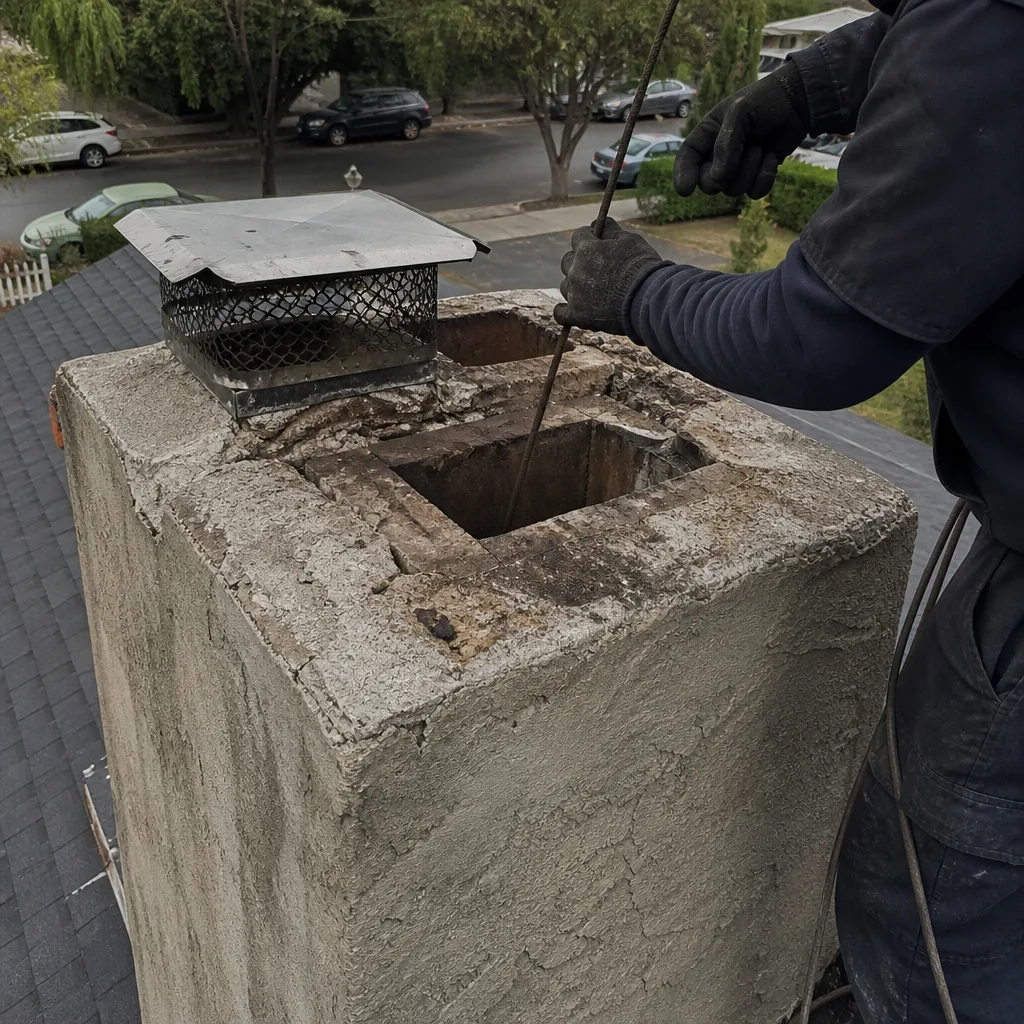
See the difference
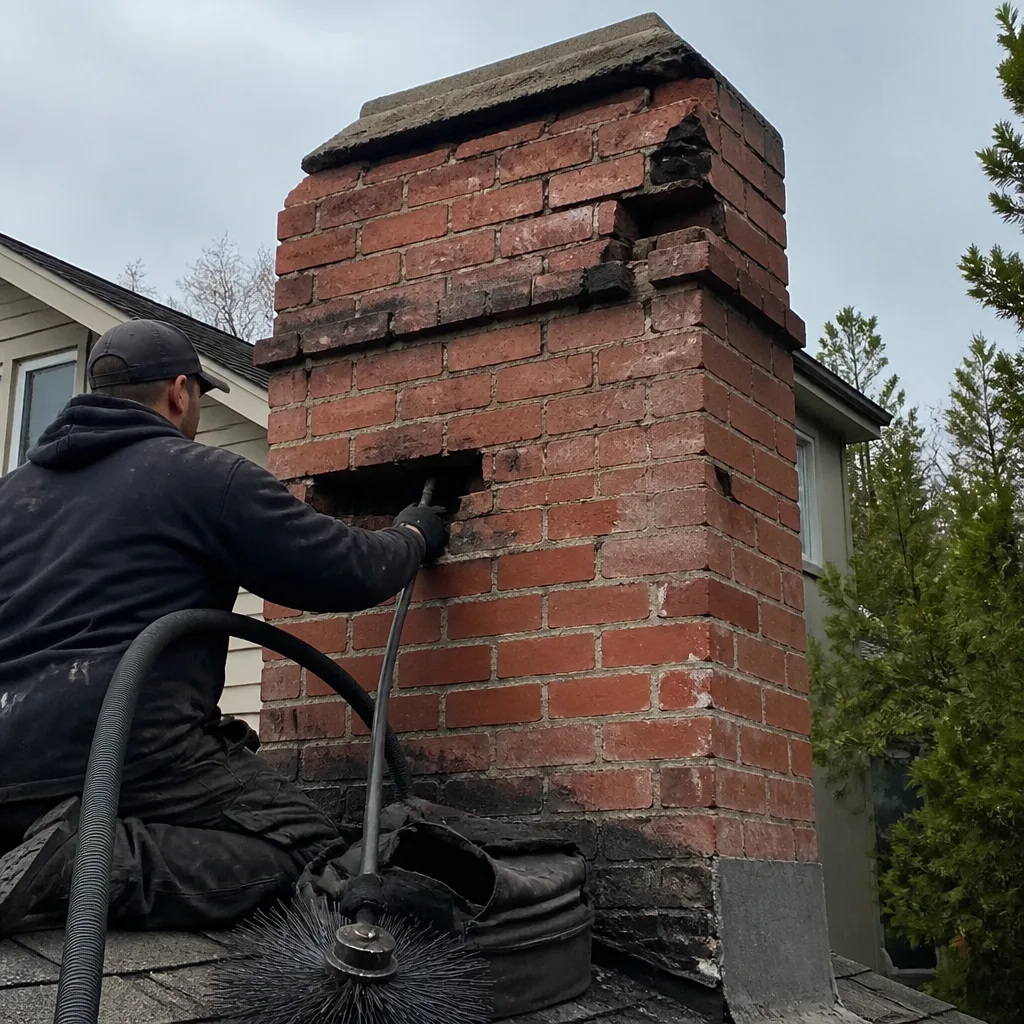 Before
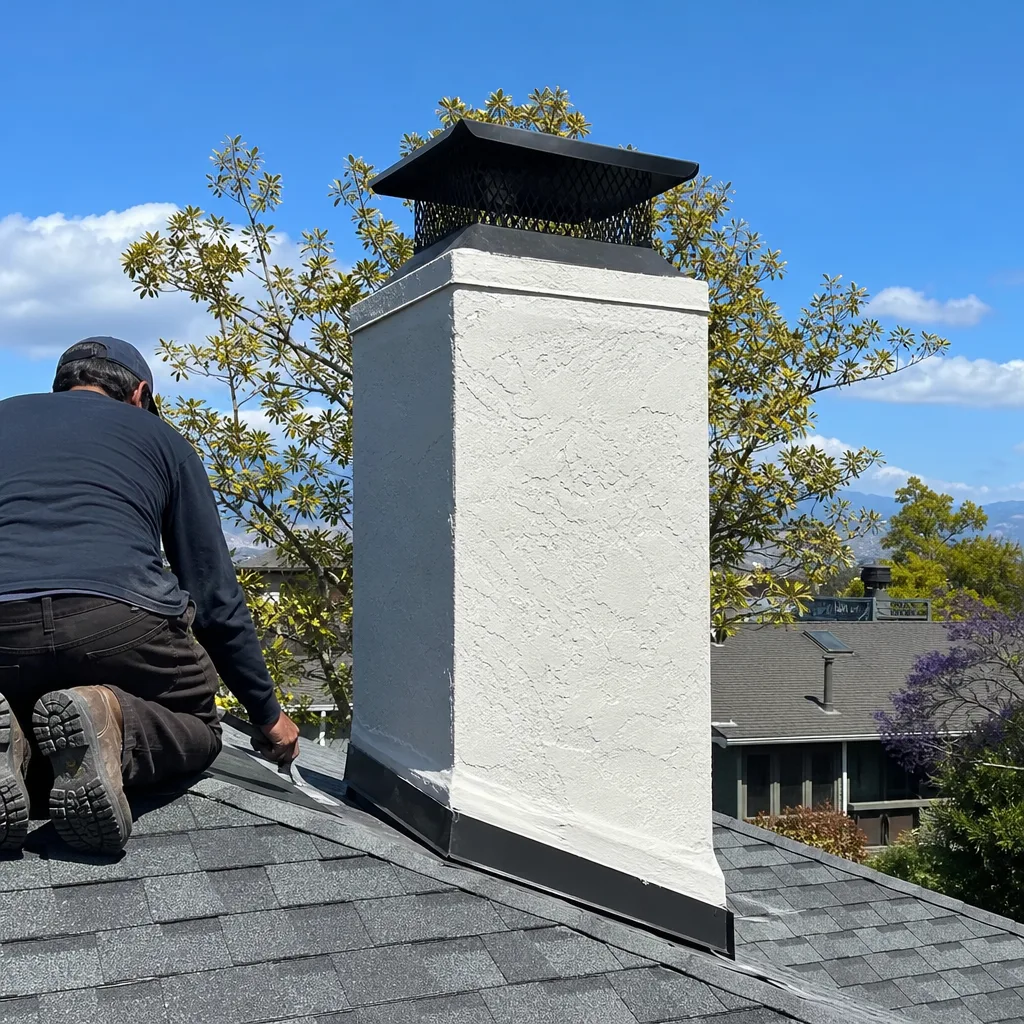 After
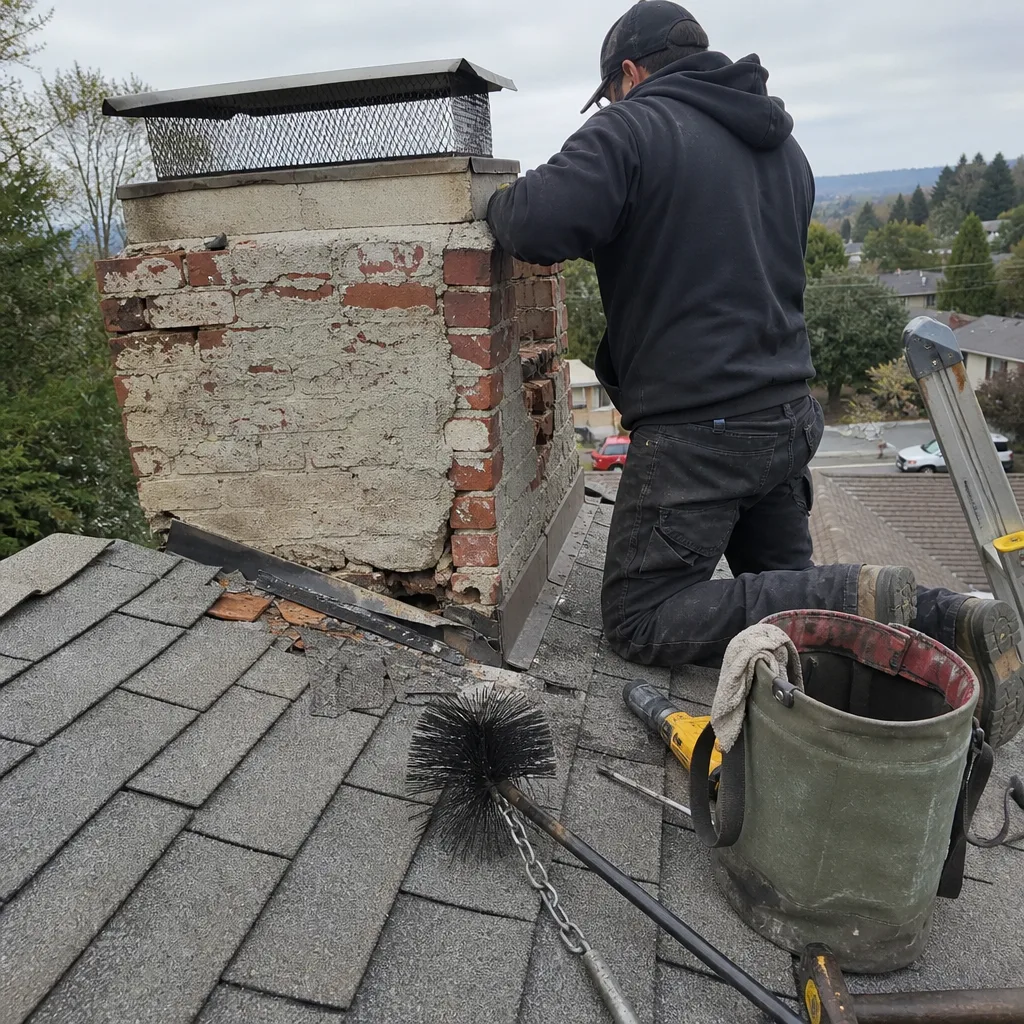 Before
 After
 Before
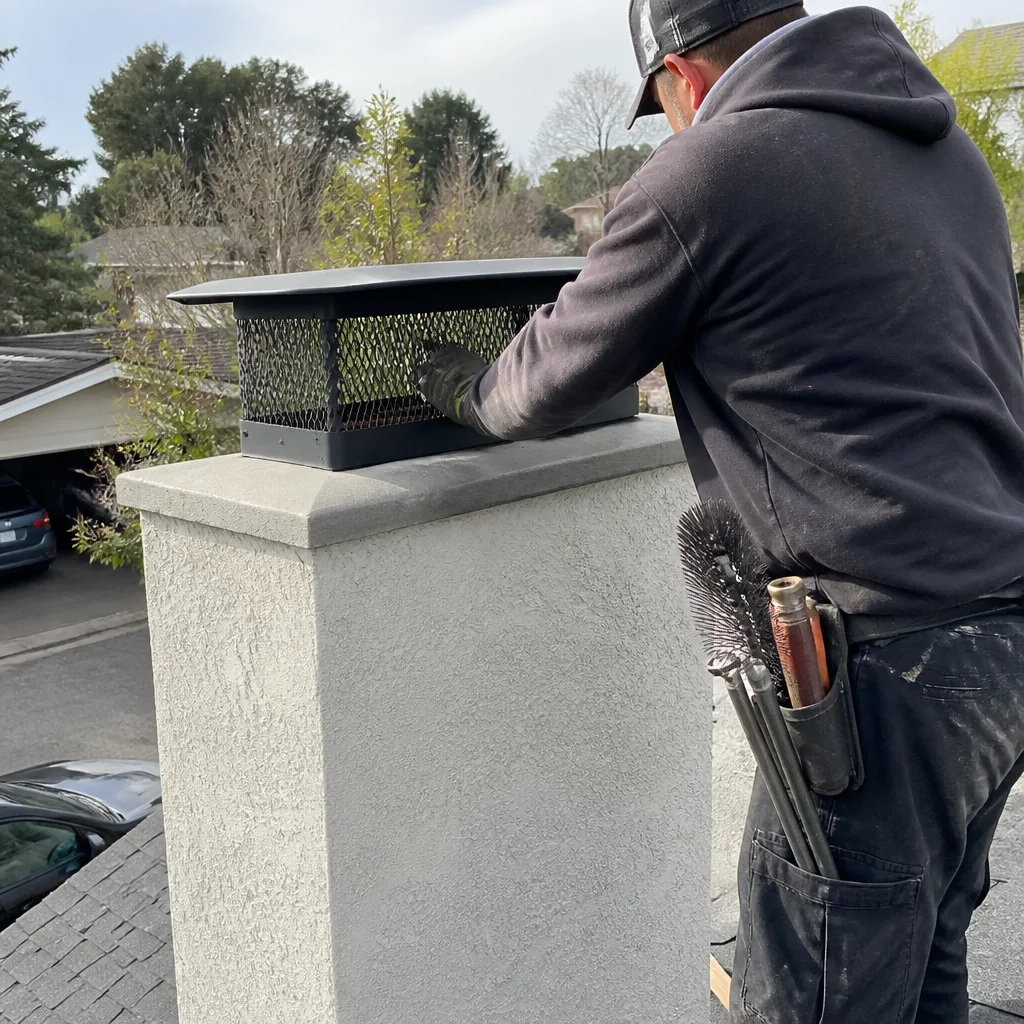 After