
Last updated November 3, 2026
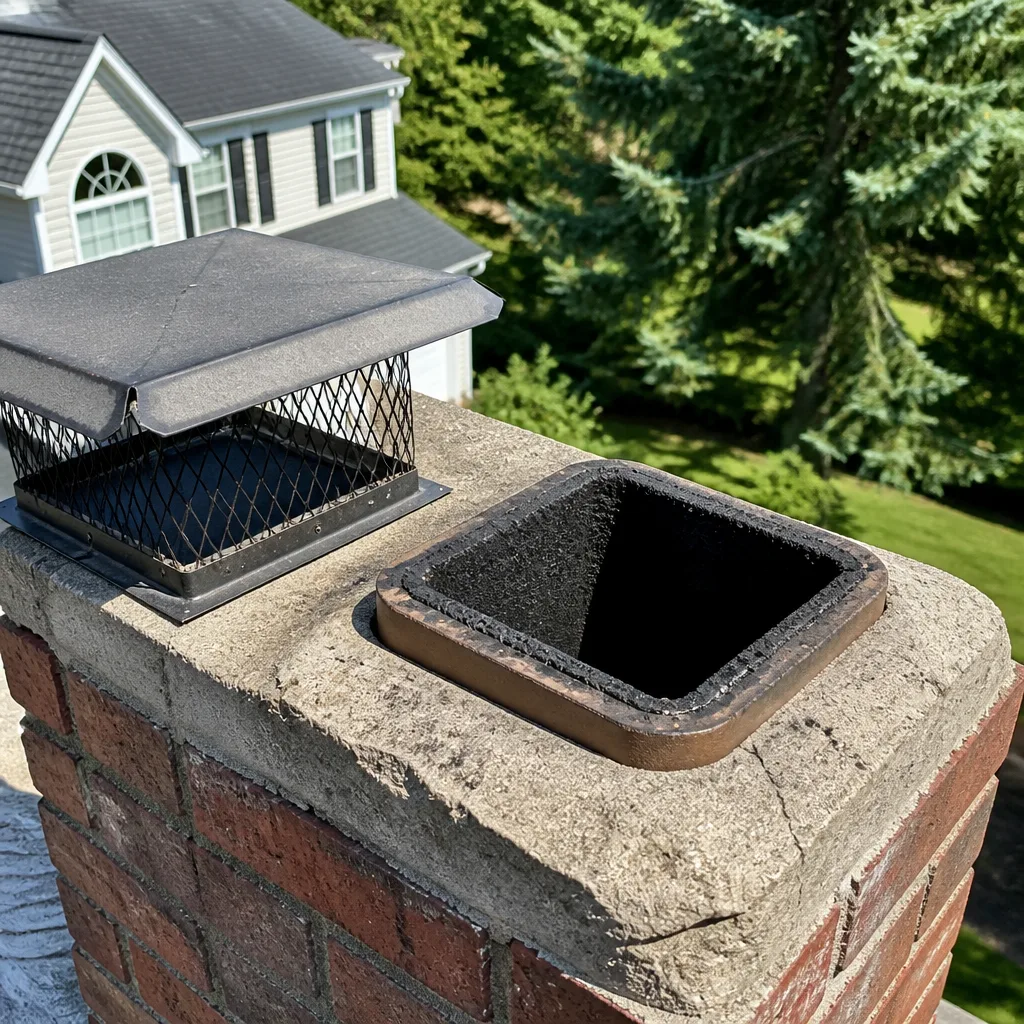 Sweep & inspection
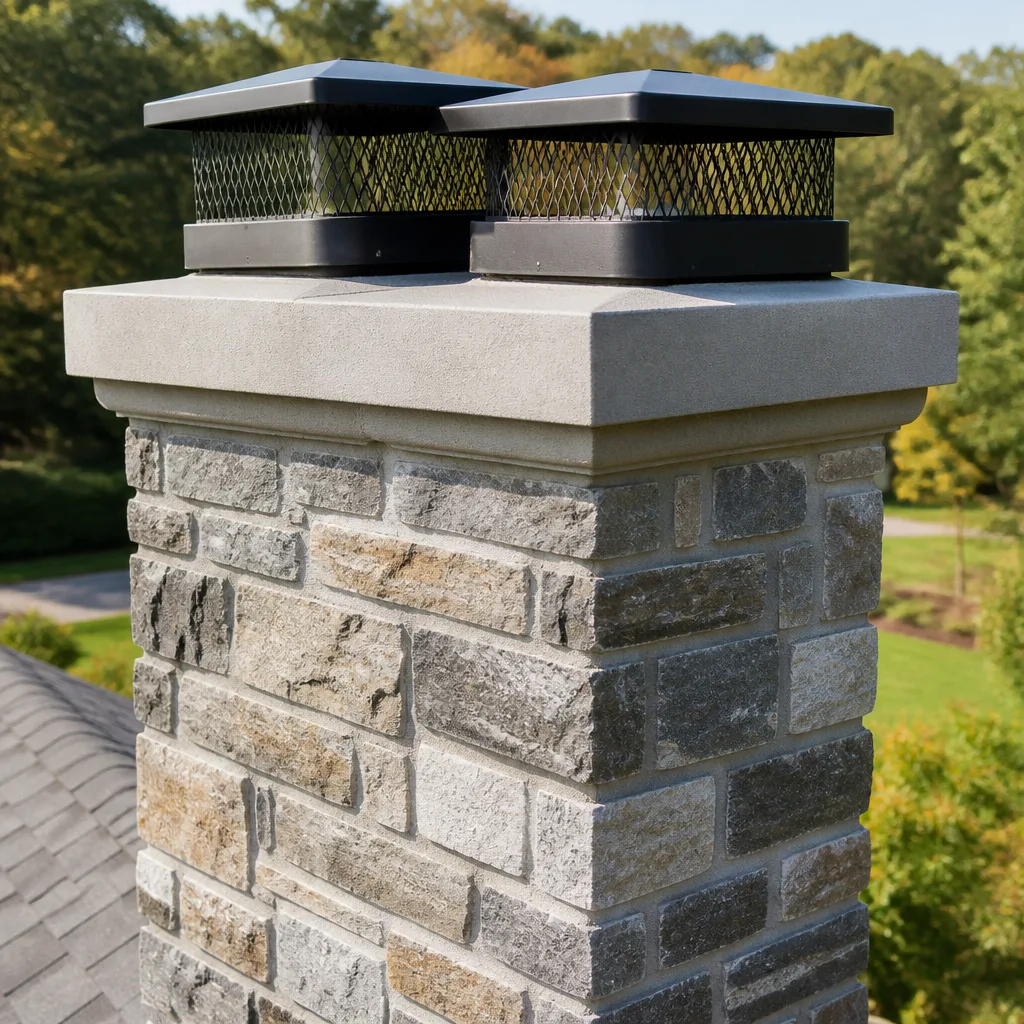 Caps & crowns
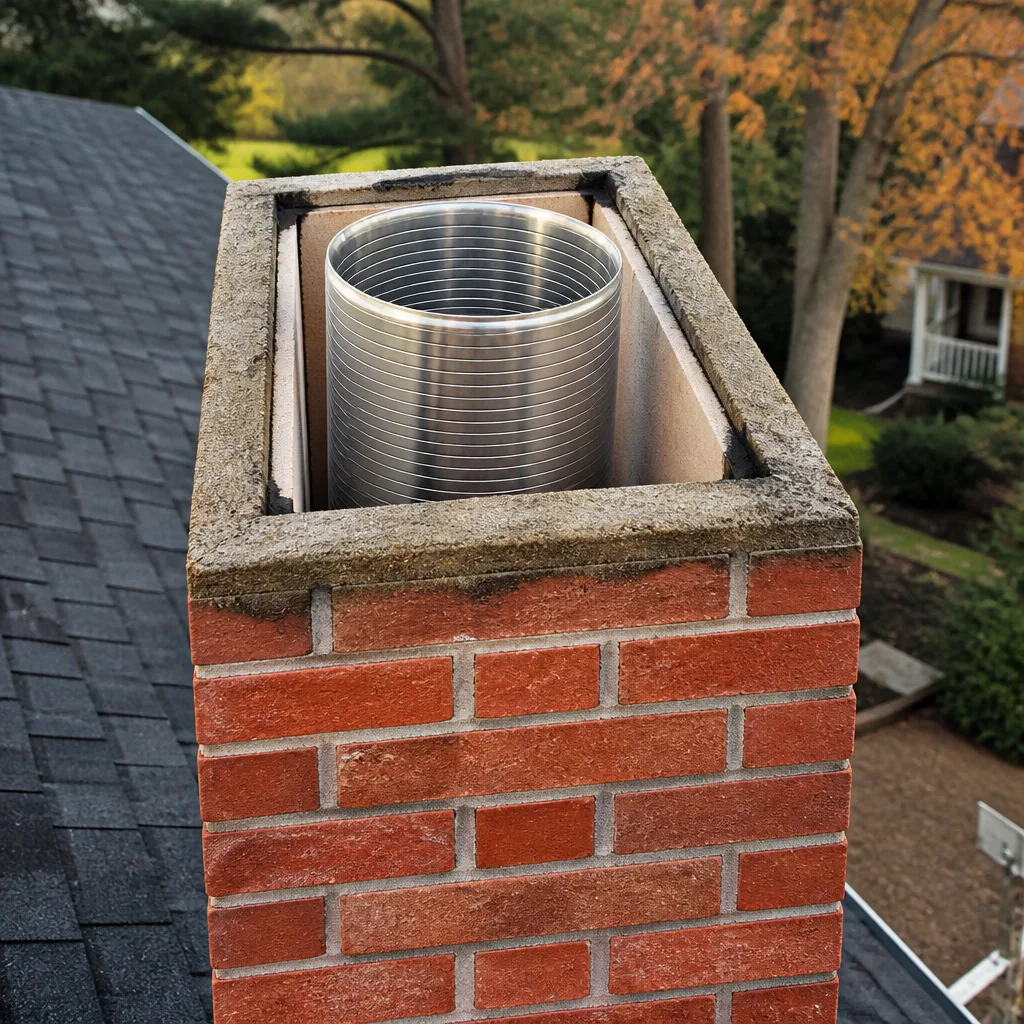 Flue relining
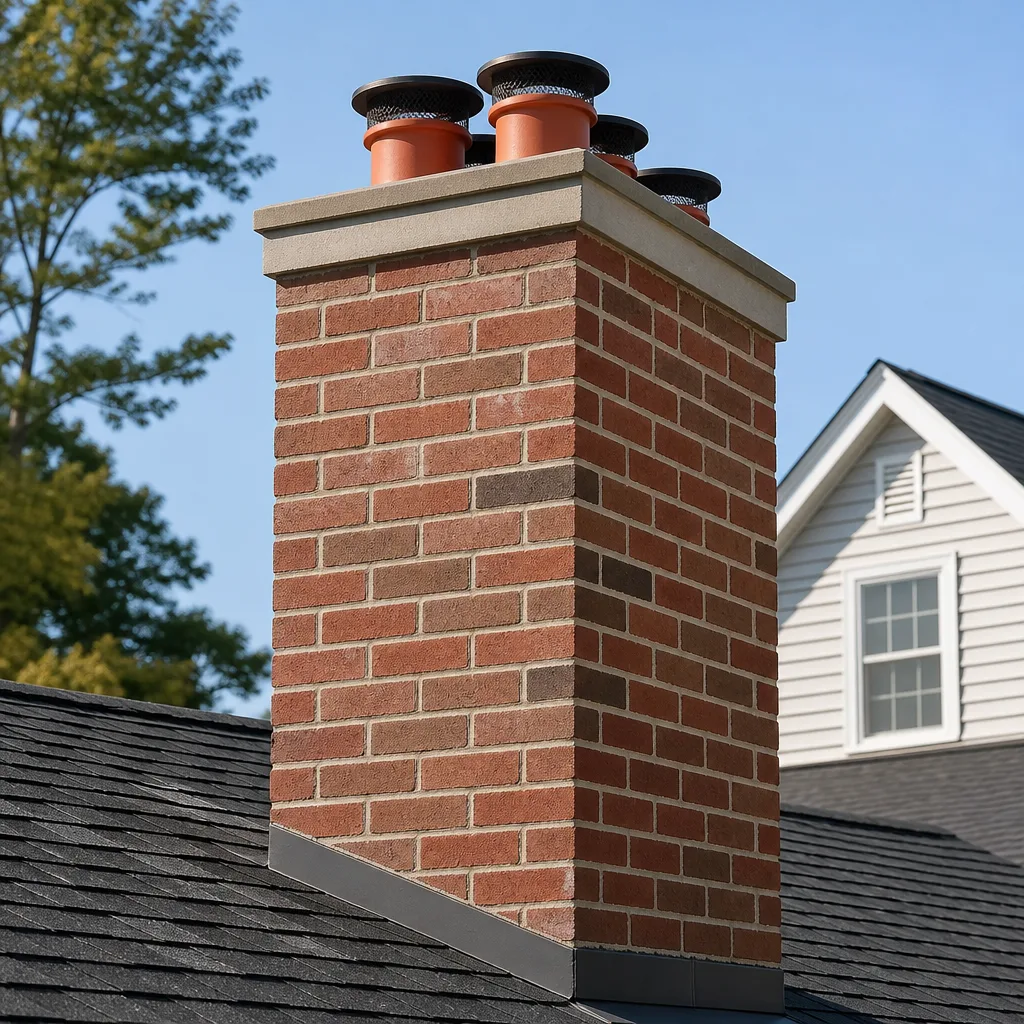 Masonry repair
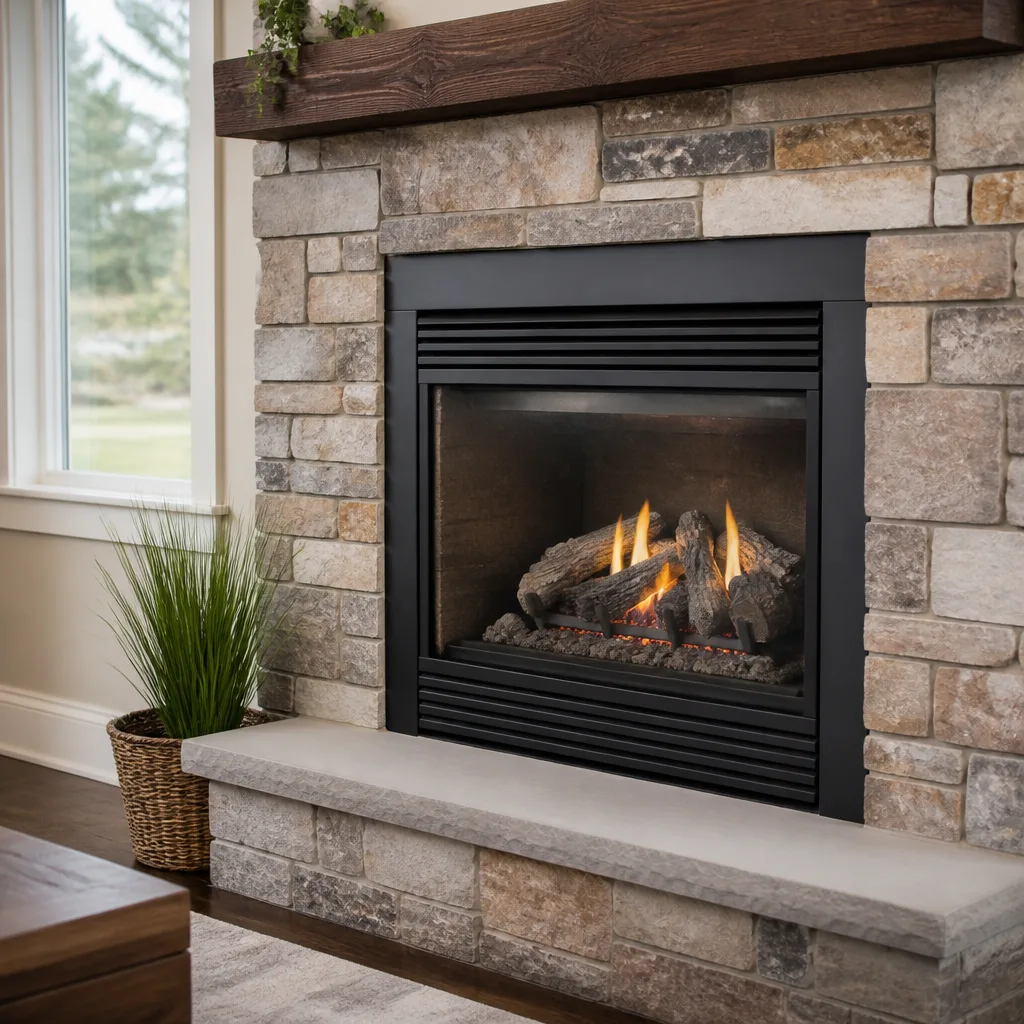 Gas fireplace service
Level 1 sweep and inspection to the NFPA 211 annual standard - flue, crown, cap, and flashing checked and photographed
Chimney sweep logs do not sweep chimneys. They loosen some creosote - which then falls where a brush and vacuum still have to collect it.
The Complete Chimney Sweep Guide for San Carlos Homeowners
Most chimney guides were written for cold, dry climates where creosote buildup is the headline threat. But in San Carlos, sustained moisture infiltration and accelerated liner corrosion from coastal air often do more damage than a homeowner ever sees before a liner failure. This guide explains what actually happens to chimneys on the Peninsula, what to inspect, when to schedule our Chimney Sweep services, and how professional-grade materials change the repair conversation. You’ll learn the specific ways San Carlos weather attacks masonry and metal, which fuels common in local yards create the toughest deposits, and what a spec-correct fix looks like.
Styles & brands we work with
- Sweep & inspection
- Caps & crowns
- Flue relining
- Masonry repair
- Gas fireplace service
Quick Answer
A chimney sweep in San Carlos should be scheduled annually, ideally in late summer or early fall before burn season, and must include a Level II inspection if you’ve had a roof fire, purchased the home, or changed your appliance setup. The marine air here accelerates mortar and liner wear in ways inland Bay Area homes don’t experience, so a visual check alone is not enough. For a thorough sweep and inspection, call Chimney Sweep San Carlos home at (833) 620-0350.
Table of Contents
- How the San Carlos Climate Attacks Chimneys
- The Three Levels of Chimney Inspection: What You Actually Need
- Local Fuels and Creosote: What Burns Clean and What Doesn’t
- Negative Pressure, Weatherization, and Backdrafting
- Liner Repair vs. Replacement: The HeatShield and DuraFlex Decision
- Dryer Vents Are Chimneys Too
- A Seasonal Maintenance Calendar for San Carlos
- Common Mistakes to Avoid
- When to Call a Professional
- Frequently Asked Questions
- The Bottom Line
How the San Carlos Climate Attacks Chimneys
San Carlos sits in a climate band that gets persistent marine influence: overnight fog, morning condensation, and air that carries the fine salt particles we rarely think about unless we’re washing windows. For a chimney, this is a slow but relentless chemical and mechanical assault. The mortar joints between chimney bricks and the clay or metal flue liners inside both absorb moisture differently, and when they expand and contract at different rates during the frequent micro temperature swings between day and night, cracks open. We’ve inspected San Carlos chimneys that look fine from the ground but have joints you could slide a quarter into once you’re on the roof.
Coastal air also accelerates oxidation of metal components. Stainless steel liners are resistant, but not immune. Salt-laden air settling on a stainless liner in an idle chimney, particularly through a warmer summer season followed by condensation in cooler months, can create surface pitting over time. A proper inspection looks for this early, before a pinhole becomes a tear. Homes built before 1980 in San Carlos often have original clay tile liners, which are porous and absorb water. When that water sits during the wet season and then warms from a fire, spalling occurs: the liner sheds flakes from the inside, narrowing the flue and exposing brick to combustion temperatures it was never meant to handle.
The practical takeaway: San Carlos is a maintenance environment. A chimney that would be perfectly functional for twenty years in Palm Springs needs more frequent attention here, not because it was built wrong, but because the air around it is actively working against it.
The Three Levels of Chimney Inspection: What You Actually Need
The Complete Guide to Chimney Cleaning in San Carlos references how the Chimney Safety Institute of America defines three levels of inspection. A basic sweep-and-go often only delivers Level I. San Carlos homes, especially post-1970s construction with retrofit inserts, frequently require Level II. Here is what each level means and when it applies:
- Level I: A visual check of the readily accessible portions of the chimney, plus the basic soundness of the flue structure and appliance connections. This is appropriate when you’ve used the chimney consistently, nothing has changed, and no event has occurred.
- Level II: Adds a video scan of the flue interior and inspection of accessible areas like the attic and crawlspace. Required when you’re buying or selling a home, after a chimney fire, after a seismic event, or when you change fuel type or appliance. If your San Carlos home has a gas insert that replaced a wood-burning fireplace, you need a Level II, because the flue sizing and venting requirements changed, and no one inspected the adaptation.
- Level III: Involves removing portions of the chimney or surrounding building materials to access suspected problem areas. Reserved for cases where a Level II reveals damage that requires further investigation, such as a hidden flue crack behind a finished wall.
In our experience, many San Carlos homeowners have never had a Level II inspection, even if they bought their home recently. A purchase inspection often glances at the fireplace but doesn’t run a camera through the flue. That’s a gap. Camera inspection is the only way to see the mid-flue damage that’s the signature of coastal moisture exposure, and it’s the only way to honestly answer the question of whether a liner can be repaired or must be replaced. For a full Chimney Sweep in San Carlos with camera inspection, we recommend scheduling before the burn season starts.
Local Fuels and Creosote: What Burns Clean and What Doesn’t
San Carlos yards have an abundance of eucalyptus, acacia, bay laurel, and old oak. Eucalyptus especially, with its dense, resinous wood and stringy bark, produces the kind of thick, low-temperature smoke that condenses into unusually dense creosote deposits, even when the wood appears dry. The resin content matters more than the seasoning time. A cord of properly seasoned eucalyptus still generates a heavier, stickier creosote layer than a cord of equally seasoned almond or oak.
This matters because the standard brush-and-vacuum sweep that handles fluffy, dry creosote from softwood simply won’t clear the glazed, tar-like layer that forms from repeated eucalyptus and bay laurel fires. That glaze often requires mechanical removal with specialized rotary tools, or chemical treatment followed by aggressive brushing. If a sweep quote is low and the technician doesn’t ask what you burn, they’re probably planning to run a standard brush through a flue that needs more.
What we recommend to clients in San Carlos:
- Mix your fuels. If you have eucalyptus on your property, use it sparingly and mix with drier hardwoods like oak or madrone where possible.
- Check moisture content. A moisture meter is a better tool than intuition. Aim for 20% moisture or below. Eucalyptus at 20% still runs resin-heavy, but it’s much better than at 30%.
- Expect a mid-season check. If you burn eucalyptus regularly, a quick flue inspection in January can tell you if your annual sweep needs to become twice-yearly. This is not a universal recommendation, but it’s a common one for specific San Carlos wood piles.
The point here isn’t that you can’t burn what grows in your yard. It’s that the maintenance schedule should match the fuel. A sweep recommendation that ignores fuel type is a generic answer, and this climate plus this fuel mix calls for a specific one – something we explore in DIY vs Professional Chimney Cleaning: The San Carlos Homeowner’s Decision Guide.
Negative Pressure, Weatherization, and Backdrafting
Modern weatherization is a net good for energy efficiency, but it changes how a house breathes. In San Carlos specifically, where many homes were built in the 1960s and 1970s and have since been sealed with new windows, added insulation, and tighter building envelopes, the fireplace now sits inside a pressure envelope that no longer draws air the way the original design assumed. When you run a kitchen exhaust fan or a clothes dryer while a fire is lit, you can depressurize the living space enough to reverse the chimney draft. Smoke enters the house instead of rising out.
This is not a minor annoyance. Backdrafting pulls combustion byproducts, including carbon monoxide, into the living area. It also drives acidic flue gases across the firebox face, which attacks the masonry and metal components over time. We’ve inspected fireboxes in San Carlos that show premature face cracking and glazed damper deterioration from repeated low-grade backdrafting the homeowner never recognized as a problem.
There are mechanical fixes for this: makeup-air vents, flue dampers with better sealing, and in some cases, a fresh-air intake connected directly to the fireplace. The right fix depends on the square footage, the appliance, and how aggressively the home has been sealed. What we look for during an inspection is the entire pressure picture, not just the chimney in isolation. Your flue is a system, not just a tube.
Liner Repair vs. Replacement: The HeatShield and DuraFlex Decision
When a camera inspection reveals liner damage, the conversation usually moves to replacement. That’s appropriate in many cases. But it’s not the only path, and knowing the difference can save thousands. The two primary methods we work with are HeatShield ceramic resurfacing and DuraFlex flexible stainless-steel liner installation.
HeatShield is a ceramic flue-resurfacing system that restores liner integrity to many cracked or spalled clay liners without full demolition. The product is applied under pressure into the flue, filling gaps and bonding to the existing surface, then smoothed with a specialized bladder system. What you end up with is an insulated, smooth, continuous lining that meets current fire-safety standards for many applications. It’s particularly relevant in San Carlos, where moisture-driven spalling of clay liners is common but often not severe enough to justify the cost and intrusion of full replacement. We’re authorized to install HeatShield, and we specify it in the cases where the existing structure is sound enough to support it.
DuraFlex is a flexible stainless-steel liner system, the industry benchmark for relining older or damaged chimneys to current standards, particularly for fireplace inserts and furnace venting. When the original clay liner is too far gone for resurfacing, or when the appliance change requires a different flue diameter or insulation class, we install DuraFlex. It’s not the cheapest liner on the supply-house shelf. It’s the one we trust because it’s designed for continuous high-temperature exposure and its connection system holds under movement and thermal cycling. DuraFlex is what we install when the chimney has more than superficial damage and the customer wants a permanent fix.
The honest read: HeatShield works when the existing clay is cracked but structurally stable. DuraFlex works when the liner has failed or the fuel type changed. A camera inspection is the only way to tell which category you’re in. Our Chimney Repair in San Carlos service covers both methods, and the decision should come from what the camera shows, not what a salesperson wants to sell.
Dryer Vents Are Chimneys Too
The same principles that make a chimney safe, proper diameter, continuous connection, accessible termination, and clean interior surfaces, apply to the dryer vent running from your laundry room to the outside. Lint is highly flammable, and a restricted dryer vent is one of the leading residential fire causes in the country. In San Carlos, where many homes have long, multi-turn vent runs that snake from a second-floor laundry room through the roof or out a soffit, the risk is compounded by geography and design.
Homeowners sometimes assume that because dryers have internal traps, the vent line stays clear. It doesn’t. Lint bypasses the trap, especially in dry, hot summer months when static electricity makes particles stick to the pipe walls. Add the moisture from our winter air, and that lint becomes a paste that sticks and accumulates at every bend. The appliance works harder, the cycle runs longer, and the exhaust path becomes a fire load.
This is why our service scope includes Dryer Vent Cleaning in San Carlos alongside chimney work. Dryer vents are chimneys too. The same inspection discipline applies: check the termination, check the full run, remove the buildup, and verify the airflow. If you haven’t checked your dryer vent in two years or more, or if you can’t remember when it was last cleaned, treat it the same way you would a fireplace flue that’s been burning untested wood for a season.
A Seasonal Maintenance Calendar for San Carlos
The national advice is to sweep once a year, period. That’s a good baseline, but San Carlos’s wet season and fire season don’t follow a generic national rhythm. Here’s what we recommend for the local calendar:
- Late August to early September: Schedule the annual sweep and Level II inspection. This gets you ahead of the burn season and allows time for any repairs before the holidays. It’s also when demand around San Carlos is highest, so call early.
- October: Verify that chimney caps and spark arrestors are intact after any September wind. A loose cap is a moisture entry point for the entire wet season.
- November to February: Burn season. If you burn eucalyptus or bay laurel more than twice a week, do a quick visual check of the flue in January. Look for shiny, dark glaze on the glass or a strong smoke smell after the fire is out. Call if anything looks off.
- March to April: Post-season inspection of the chimney crown and mortar joints. The winter rain has done its work by now, and early spring is the best time to catch the first signs of spalling or joint erosion before they deepen.
- May to July: Dryer vent cleaning. Late spring is ideal for this because summer heat and static increase lint buildup. Do it before the peak fire-danger months.
This schedule runs opposite the pattern homes in cold, snowy regions follow, where the sweep happens after the burning season ends. In San Carlos, the sweep happens before the burning season starts, because our downtime is the dry late summer, not the dead of winter. The point is a maintenance rhythm that fits the Peninsula, not a national one-size-fits-all.
Common Mistakes to Avoid
- Assuming a home purchase inspection cleared the chimney. Real estate inspections are visual and often skip the flue interior. A hole the size of a nickel behind the damper or mid-flue will not show up. Get a Level II camera inspection before your first fire.
- Burning green eucalyptus. Green or partially seasoned eucalyptus is the single worst fuel for chimney health in San Carlos. It deposits a dense, sticky creosote that a basic brush can’t clear. Season it, mix it, or avoid it for fireplace use.
- Ignoring the dryer vent because “it’s not a chimney.” It is. Lint fires are more common than chimney fires nationally, and San Carlos’s long vent runs make the issue worse. Clean it every year, or every six months if you run the dryer daily.
- Sealing the house without adding makeup air. Weatherization without considering combustion air creates backdrafting. If you’ve added insulation, new windows, and run exhaust fans while burning, you need a pressure check.
- Choosing a sweep quote without asking what’s included. A $129 sweep that’s just a brush and a glance from below is not an inspection. You need to know if the camera is coming out and who’s looking at the whole system.
- Deferring a cracked crown or eroded mortar because “it’s cosmetic.” It’s not. Cracks in the crown or joints are the entry point for moisture, which is the single biggest driver of chimney deterioration in this coastal climate. Early mortar repair is a fraction of the cost of a liner failure.
When to Call a Professional
Call if you smell smoke when the fire is out. Call if you see white staining on the exterior brick, which is moisture migrating through the masonry. Call if you’ve had a chimney fire even a small one, because a fire event means a Level II inspection is mandatory, not optional. Call if you’re switching from wood to gas or installing an insert, because the flue sizing and venting needs change. Call if your home has been weatherized since the last time the chimney was checked. And call before you burn, not after something goes wrong. For more guides & resources, visit our blog. Chimney Sweep San Carlos offers free estimates in San Carlos for chimney sweeping, dryer vent cleaning, and repair work. Reach us at (833) 620-0350.
Frequently Asked Questions
The cost for a standard chimney sweep in San Carlos typically runs between $175 and $350 depending on flue size, accessibility, and the level of inspection required, with Level II camera inspections adding $150 to $300. This mid-range pricing reflects Bay Area labor rates and the specificity of the local maintenance environment, not a markup for brand. Call (833) 620-0350 for an exact quote, and expect the number to reflect what the camera shows, not a flat sweep fee.
Annually, before the burn season, which in San Carlos means late August or early September, with a mid-season check if you burn eucalyptus or bay laurel more than twice a week. The coastal humidity and heavy local fuel profile justify more attention here than the national one-sweep-per-year average.
Sometimes you do, sometimes you don’t, and the only way to answer that honestly is a camera inspection. HeatShield ceramic resurfacing can rehabilitate a cracked but structurally sound clay liner, and it costs significantly less than a full replacement. DuraFlex stainless-steel relining is the permanent fix when the existing liner has failed or the fuel type has changed. We recommend what the camera shows, and you’ll see the footage yourself.
Skip it long enough, and you’re playing a gamble where the stakes are a chimney fire or carbon monoxide intrusion. In San Carlos specifically, moisture damage proceeds quietly: mortar erodes, liners spall, and by the time the damage is visible from the living room, you’re often past the point where HeatShield can save you and into full relining territory.
Yes. The lint trap catches what it catches, but a meaningful fraction of the lint bypasses the trap and accumulates in the vent line, especially in long runs with bends, which are common in San Carlos homes. A restricted dryer vent is one of the leading residential fire causes, and it costs more to run the appliance when the exhaust path is blocked. Clean the vent every year, or every six months with heavy use.
You can inspect the firebox and the cap from the ground, but you cannot see the mid-flue, which is where most failures in this climate begin. A professional camera inspection is the only way to evaluate liner condition without removing masonry. Think of it like an internal check, not a visual once-over. Call (833) 620-0350 to schedule one before you light the season’s first fire.
The Bottom Line
San Carlos is a beautiful place to own a fireplace, and a tough one if you ignore the local environment. The marine air, the eucalyptus, the retrofitted inserts, and the weatherized homes all push the maintenance burden up, not down. The fix is not to avoid burning, but to match the maintenance to the conditions: an annual camera-inspected sweep before the burn season, honest decisions about liner repair versus replacement, and attention to the dryer vent as part of the same whole-home fire-safety picture. The details matter more here than in the climate zones most chimney guides were written for.
Written by the team at Chimney Sweep San Carlos, serving San Carlos since 2011.
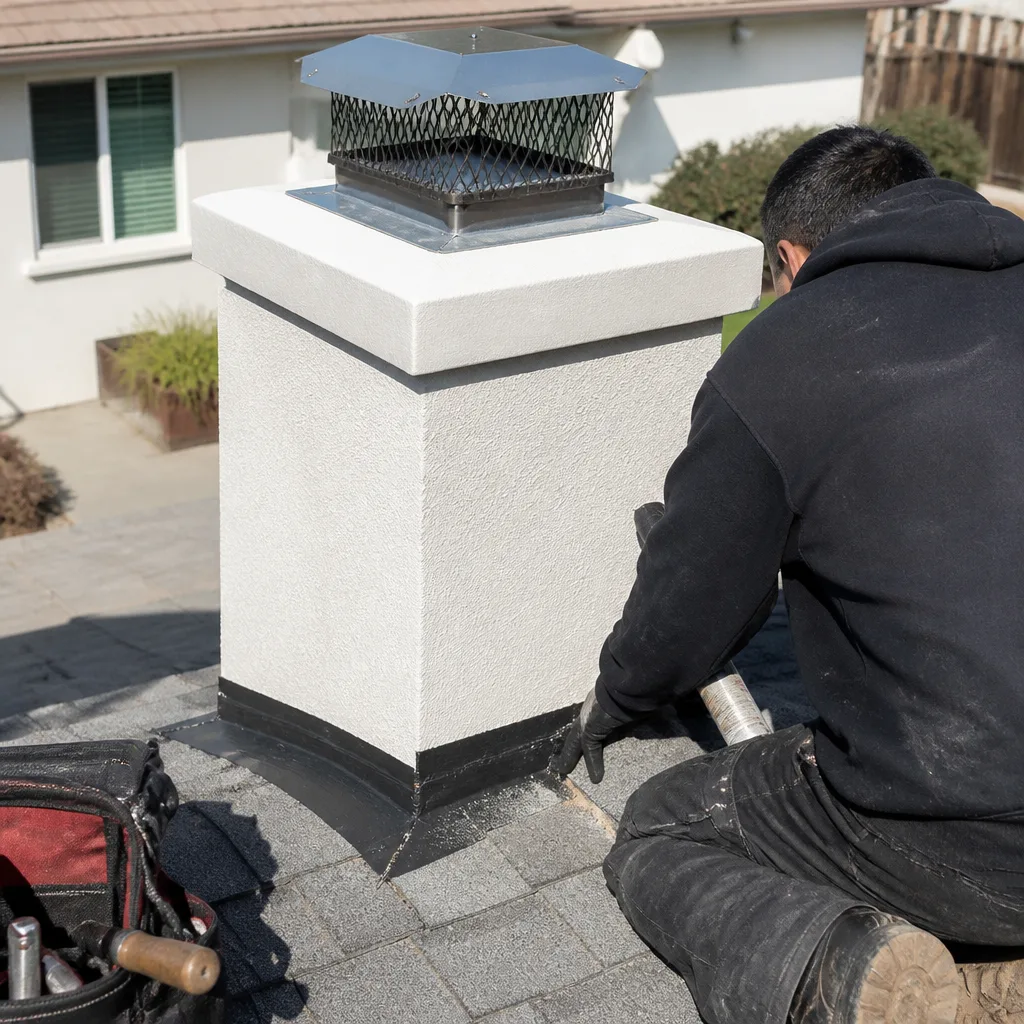
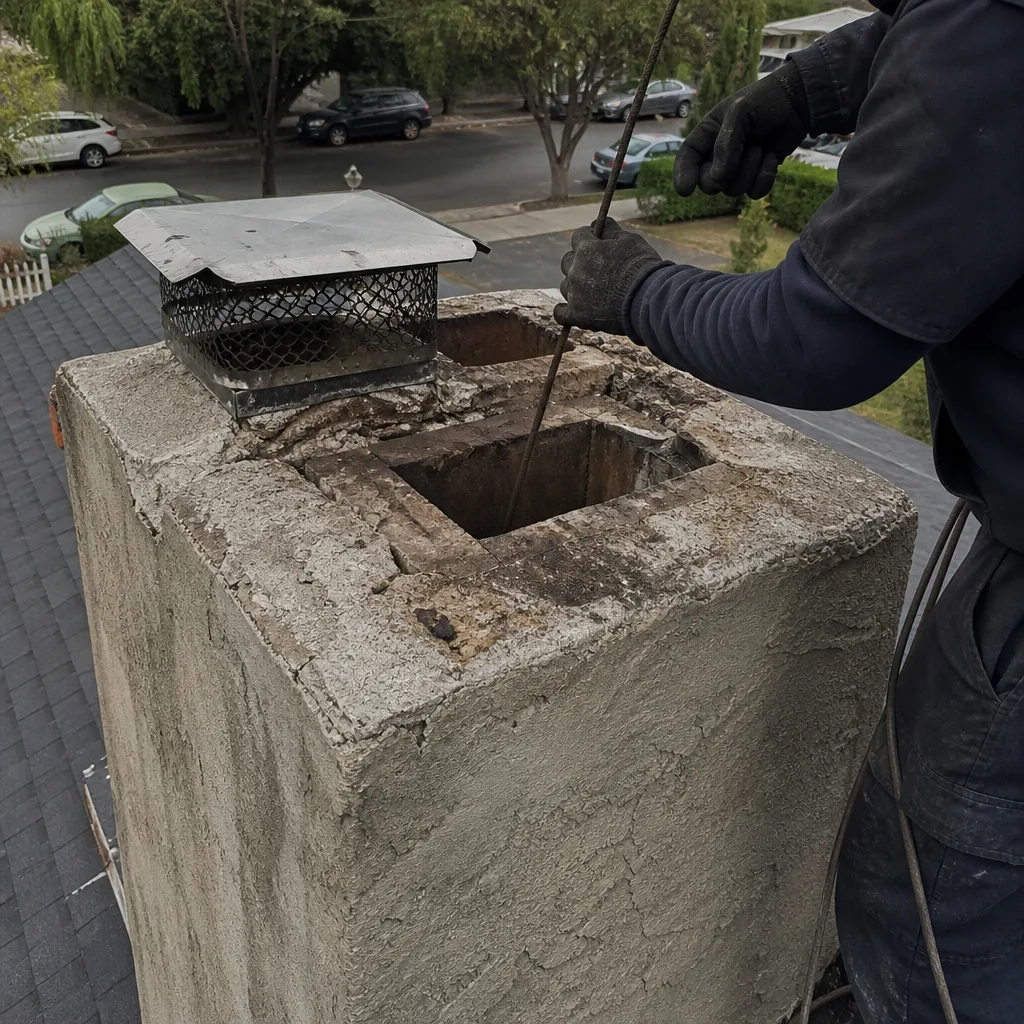
See the difference
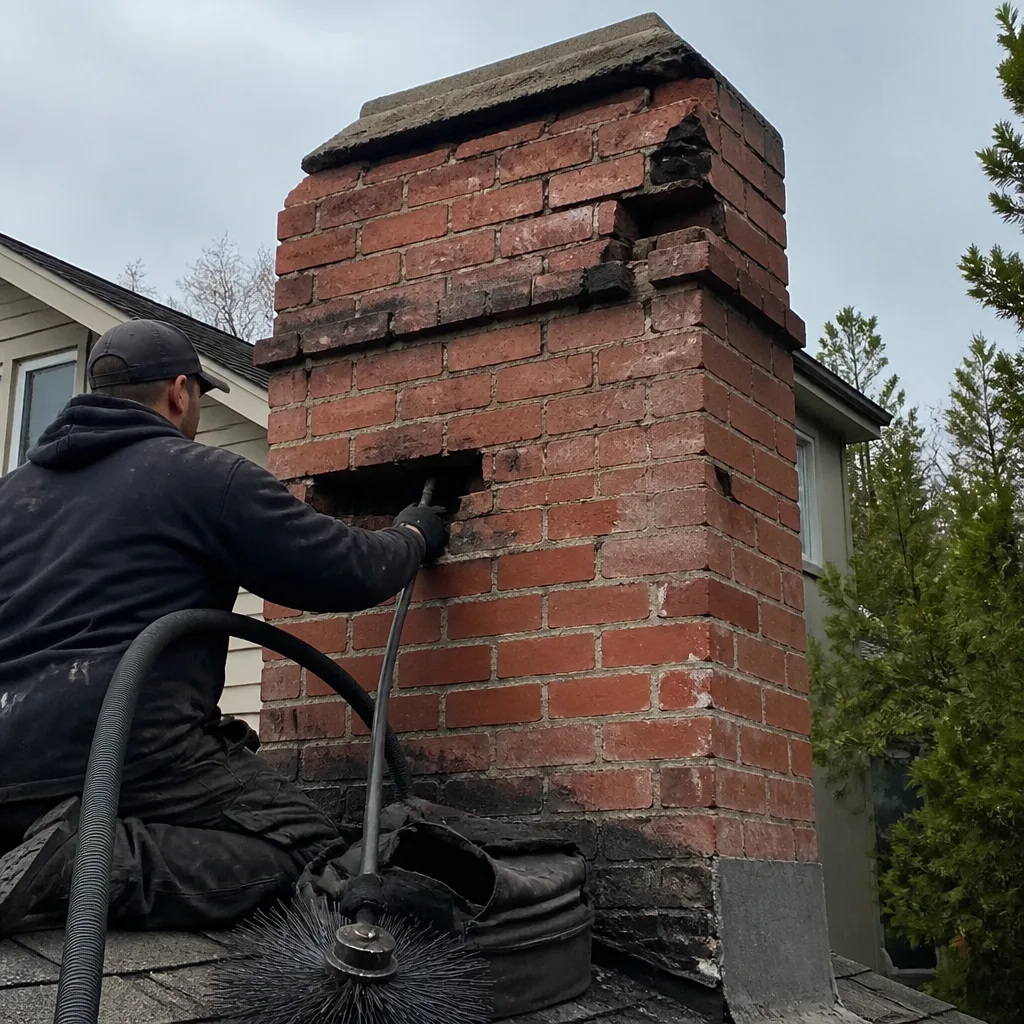 Before
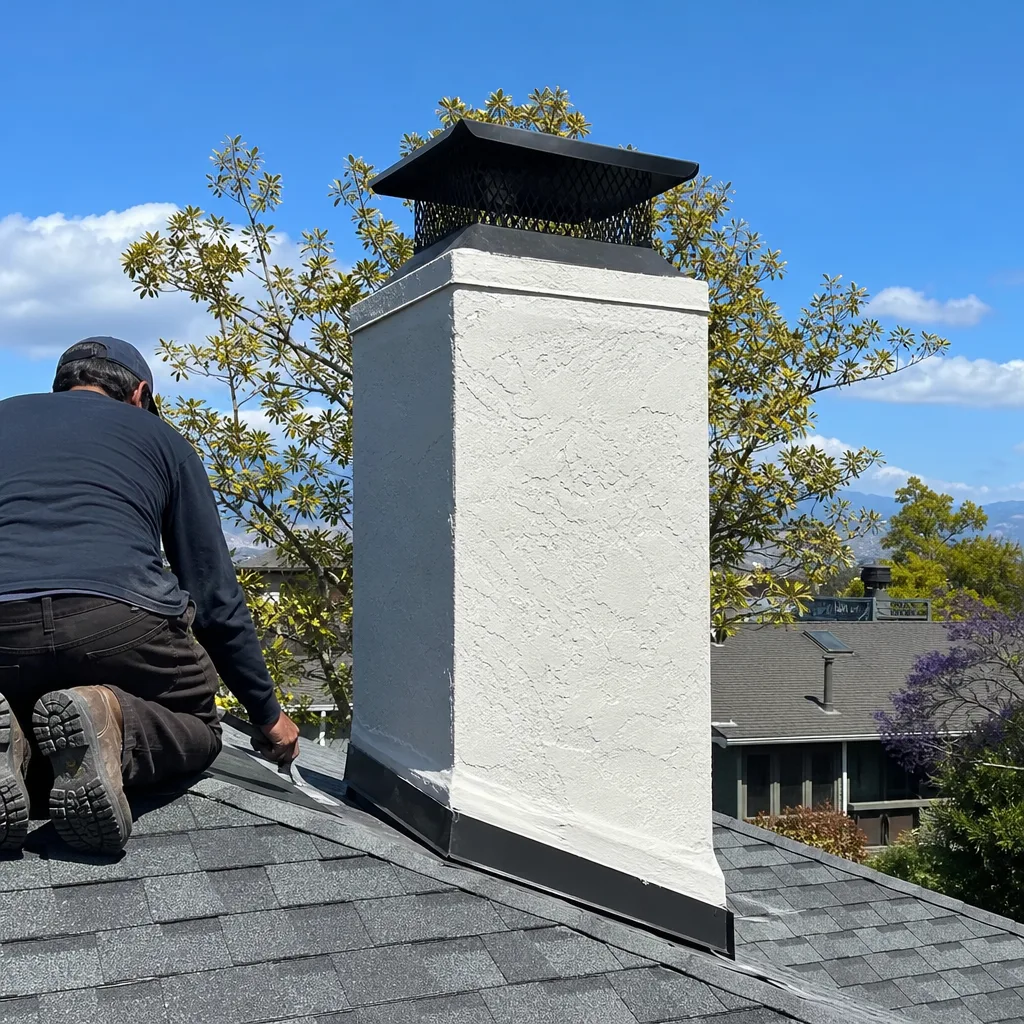 After
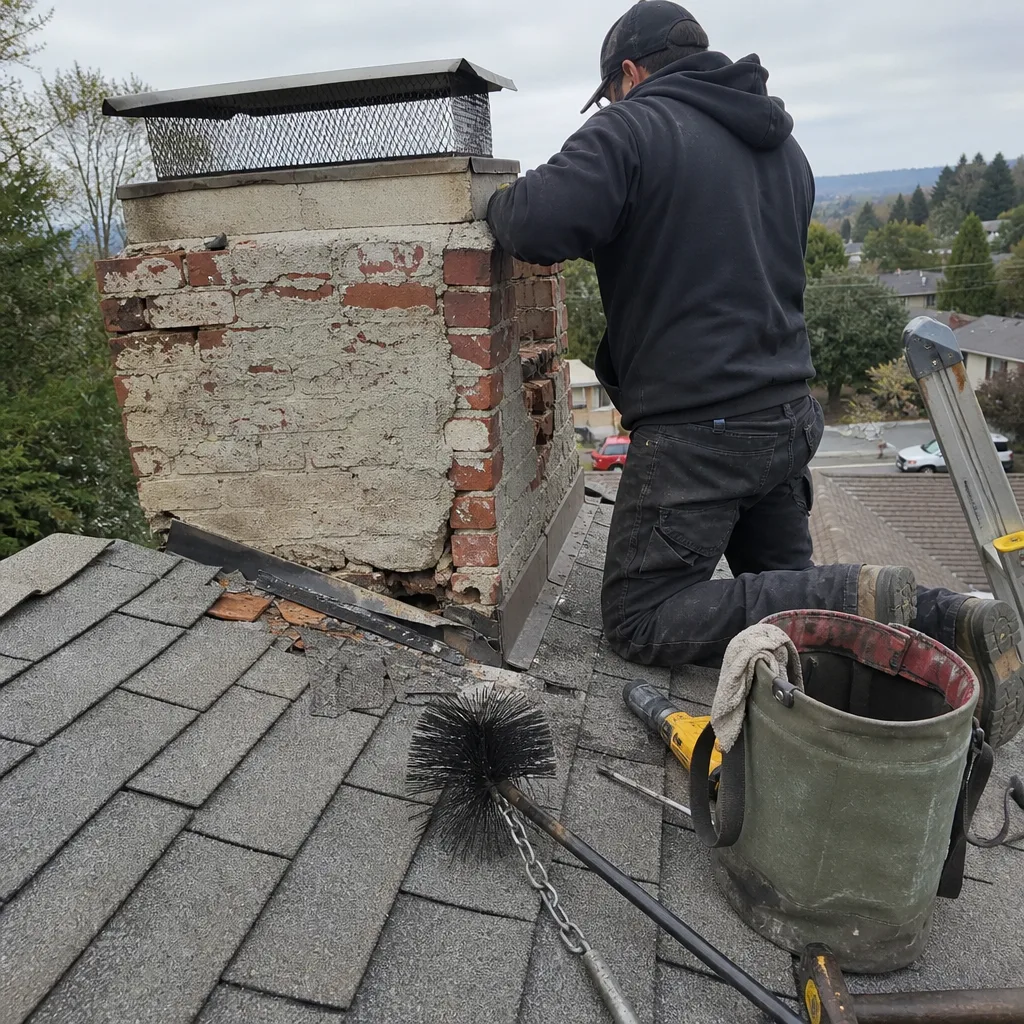 Before
 After
 Before
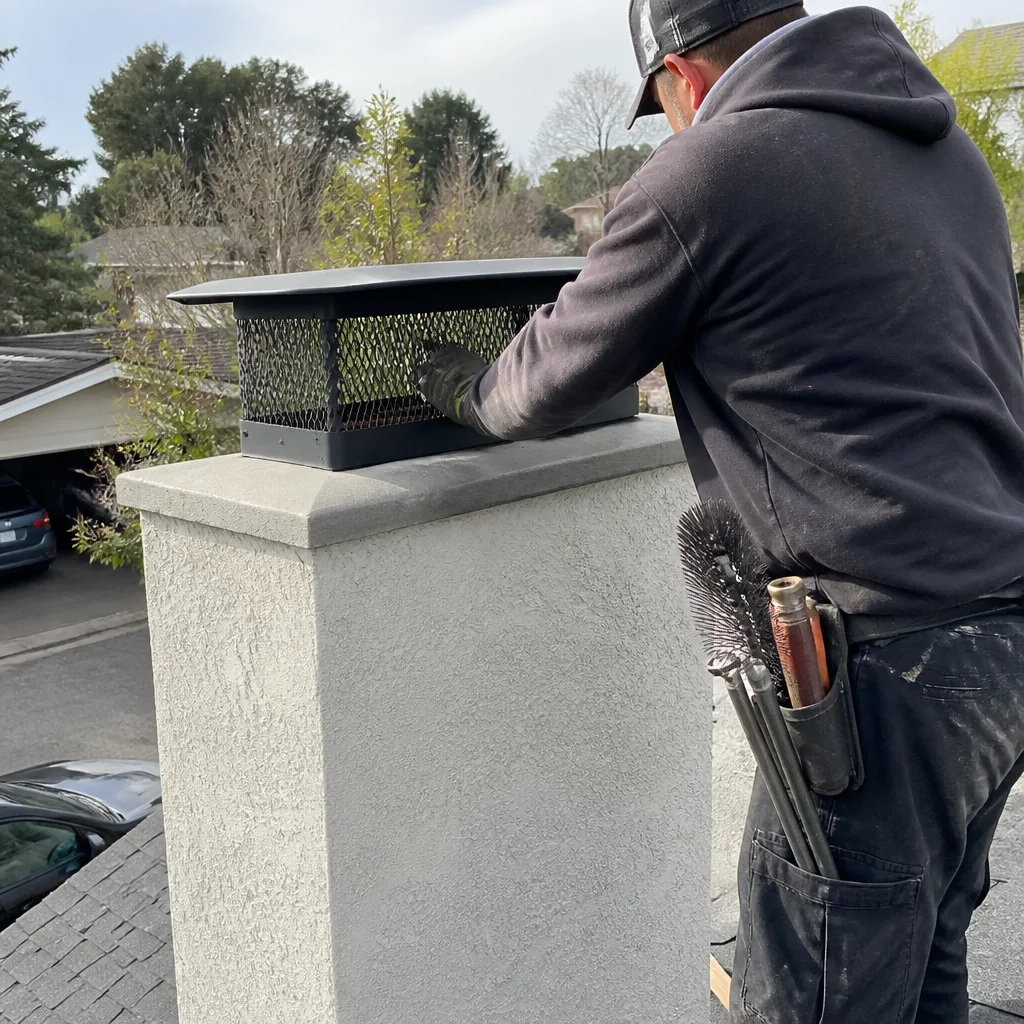 After