
Last updated November 3, 2026
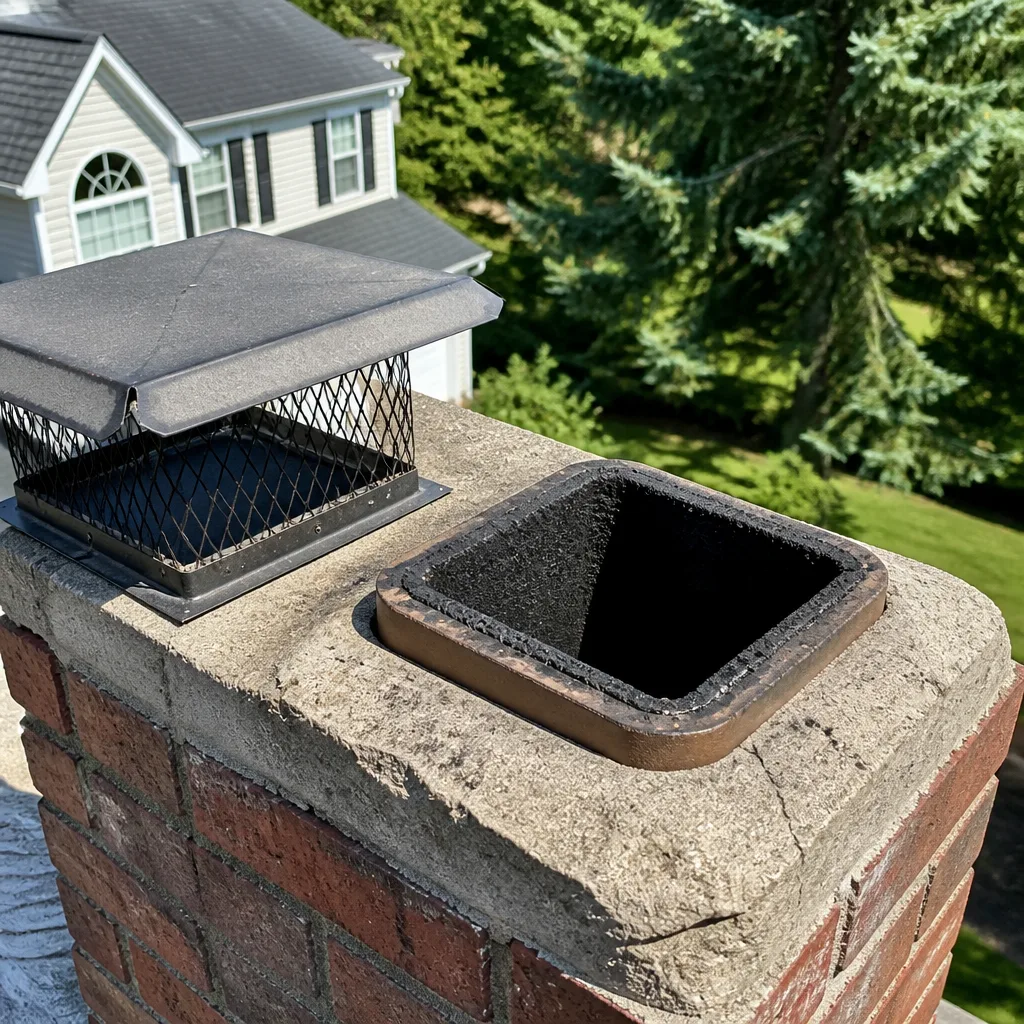 Sweep & inspection
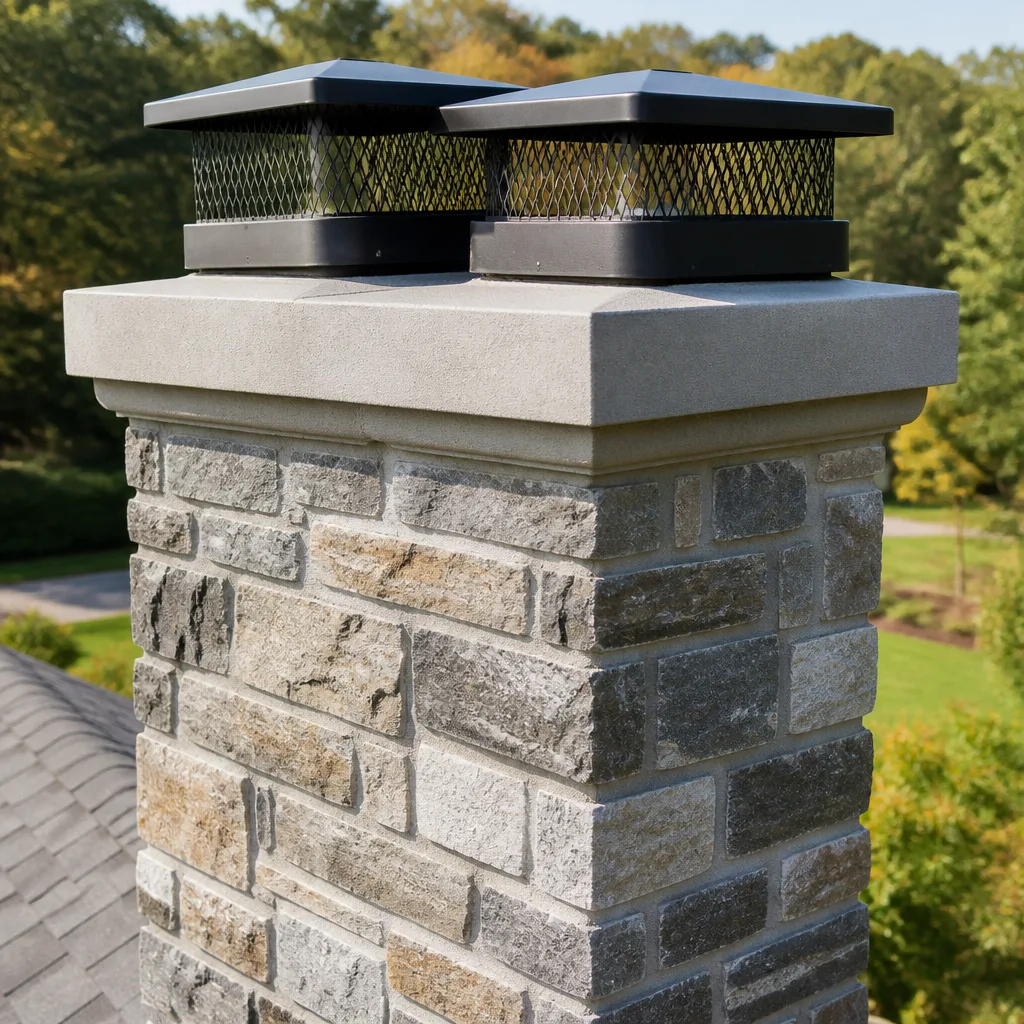 Caps & crowns
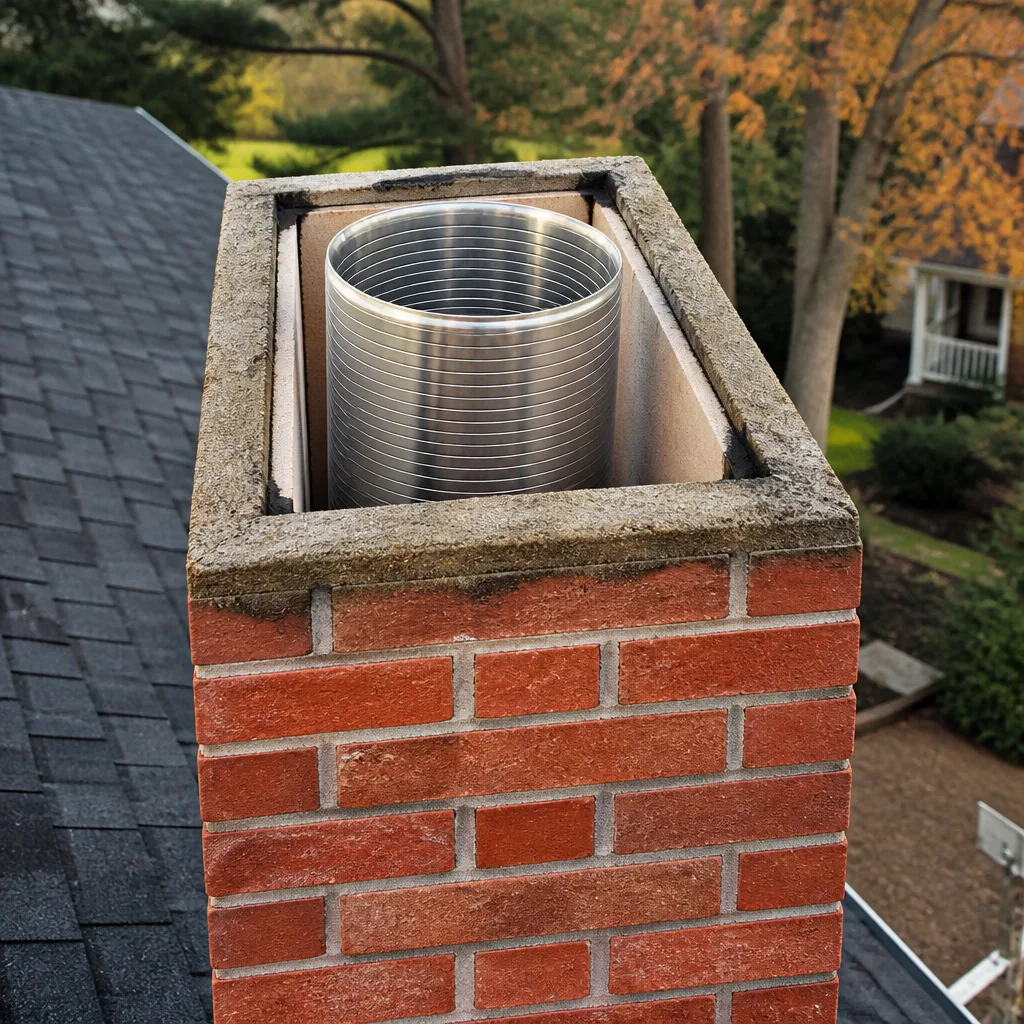 Flue relining
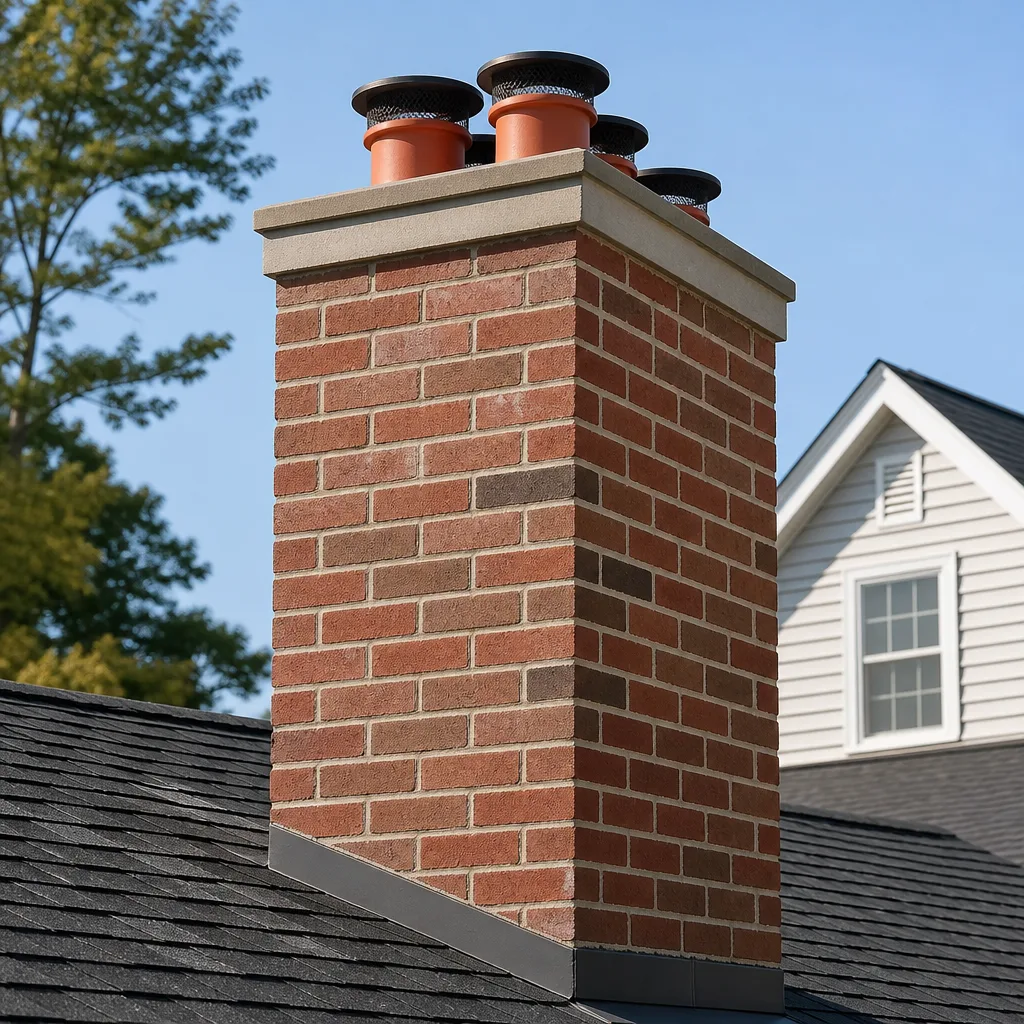 Masonry repair
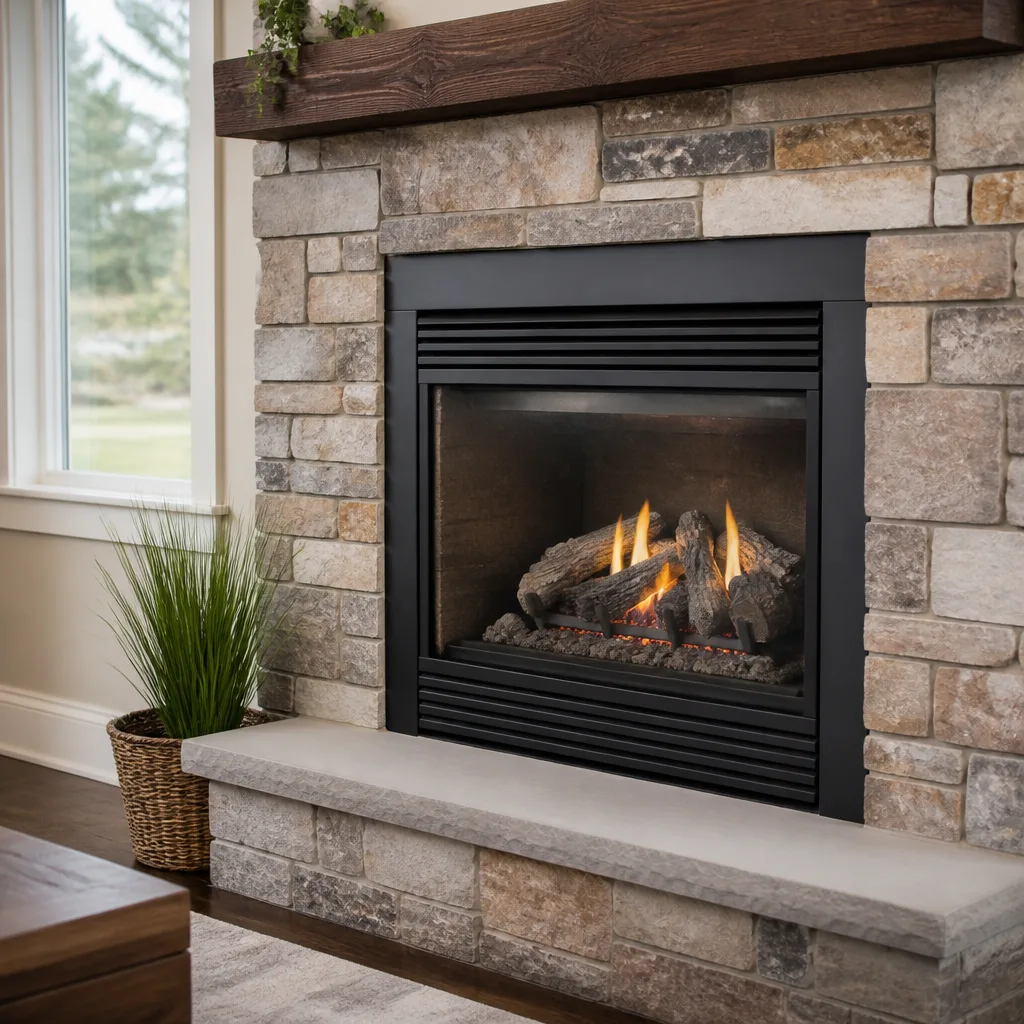 Gas fireplace service
Level 1 sweep and inspection to the NFPA 211 annual standard - flue, crown, cap, and flashing checked and photographed
Chimney sweep logs do not sweep chimneys. They loosen some creosote - which then falls where a brush and vacuum still have to collect it.
Choosing the Right Chimney Cleaning Brand: A Buyer’s Guide for San Carlos
The chimney cap on your roof costs somewhere between $40 and $400 depending on gauge, alloy, and mounting system, and the version your contractor installs tells you exactly how they think about your home. A contractor who specs a 20-gauge 316 stainless cap with a lifetime warranty is making a statement about their materials philosophy. The one who grabs whatever galvanized unit is on the shelf at the supply house is making a different statement, whether they say it out loud or not. This guide will teach you how to read the brand and material choices behind a chimney service quote in San Carlos, because those choices reveal more about the quality of work you’ll receive than any marketing language ever could. For a deeper look, see The Complete Chimney Sweep Guide for San Carlos Homeowners. We’ll walk through liner alloys, creosote removal chemistry, cap specifications, and damper systems so you can ask the questions that separate specification-grade contractors from generic operators.
Styles & brands we work with
- Sweep & inspection
- Caps & crowns
- Flue relining
- Masonry repair
- Gas fireplace service
Quick Answer
The right chimney cleaning products and brands depend on what your specific flue system actually needs, not what’s cheapest or most heavily marketed. For wood-burning fireplaces in San Carlos, specification-grade contractors typically use 316Ti alloy stainless liners (from manufacturers like DuraFlex), HeatShield ceramic resurfacing for liner repair without full replacement, and Gelco or Olympia caps in 20-gauge stainless. Asking one question before hiring, “What brand liner do you use and what alloy?”, will tell you within thirty seconds whether you’re talking to a professional-tier operator or a generalist who works with whatever’s cheap.
Table of Contents
- Liner Alloys: Why 316Ti Beats 304 Stainless for Wood Burning
- Creosote Removal Chemistry: Rutland, Anti-Creo-Soot, and CSL Compared
- Cap and Chase Cover Specifications: What Gauge and Warranty Reveal
- Top-Sealing Dampers: Why Lock-Top and Lyemance Matter in the Bay Area
- HeatShield Resurfacing: The Liner Repair Option Most Contractors Don’t Offer
- Dryer Vents Are Chimneys Too: The Venting Ecosystem View
- Questions to Ask Before You Hire: The Brand Interrogation Protocol
- Common Mistakes to Avoid
- When to Call a Professional
- Frequently Asked Questions
- The Bottom Line
Liner Alloys: Why 316Ti Beats 304 Stainless for Wood Burning
When a contractor installs a stainless liner in your chimney, the alloy they choose is the single most important decision in the entire project, and most homeowners never ask about it. Here’s what you need to know: 304 stainless and 316Ti stainless look nearly identical to the untrained eye, but they behave differently under the conditions a wood-burning fireplace creates. The titanium-stabilized 316Ti alloy resists the chloride and acid attack that comes from burning wood, especially in a coastal climate like San Carlos where salt air and marine moisture add another layer of corrosion stress. A 304 liner might cost $200 less on a $3,000 job and start showing pitting and rust within five to seven years. The 316Ti liner, manufactured to the spec that certified chimney professionals use, is designed to handle the temperature cycling and chemical exposure for decades.
DuraFlex is the brand most specification-grade contractors in San Carlos specify for 316Ti flexible liner systems, and there’s a reason for that. The DuraFlex product line is built to the UL 1777 standard, which is the testing protocol for chimney liner systems in the United States, and their 316Ti alloy is the benchmark for wood-burning applications. When you’re comparing quotes and one contractor says “stainless liner” without specifying the alloy, that’s a red flag. The question to ask is direct: “What brand liner do you use and what alloy?” A contractor who answers “DuraFlex 316Ti” without hesitating is operating at a professional tier. A contractor who can’t answer the question or says “whatever the supply house has” is telling you something about how they approach the rest of the job too.
We’ve seen this play out in San Carlos homes where a liner installed less than a decade ago has already developed pin-hole leaks because the alloy was underspecified for the application. The replacement cost is the full installation price again, plus the frustration of knowing the first contractor cut a corner that wasn’t visible from the outside. Your flue is a system, not just a tube. The liner is the fire containment layer, the draft driver, and the protection against heat transfer into your framing all at once. When that layer fails, everything else about your chimney becomes a liability.
Creosote Removal Chemistry: Rutland, Anti-Creo-Soot, and CSL Compared
Creosote removal products are not interchangeable, and using the wrong one for the stage of creosote you’re dealing with is a waste of money at best and a combustion hazard at worst. Creosote forms in three stages: Stage 1 is a flaky, brushable soot. Stage 2 is a tar-like glaze that requires mechanical removal or chemical treatment. Stage 3 is a hardened, glassy glaze that’s highly concentrated fuel and usually requires professional removal with specific chemical treatments or mechanical rotary tools. The product category exists because Stage 2 and Stage 3 creosote resist simple brushing, and homeowners in San Carlos who burn wood regularly, especially with softer woods like pine or in older fireplaces with less efficient combustion, will see these stages develop faster than they expect. If you’re weighing whether to tackle this yourself, our DIY vs Professional Chimney Cleaning: The San Carlos Homeowner’s Decision Guide can help.
Rutland products are the most widely available, and their creosote remover is formulated primarily for Stage 2 glazed creosote. It works by chemically altering the creosote so it can be brushed away rather than chipped away. Anti-Creo-Soot (ACS) takes a different chemical approach, using a manganese-based catalyst that works over time to break down creosote as you burn your normal fires. It’s a maintenance product more than a remover, meaning it prevents the hard glaze from forming in the first place. CSL (Chimney Safety Liquid) is a liquid treatment designed for the toughest applications, including Stage 3 creosote in some cases, though we recommend professional rotary removal for anything approaching Stage 3. The key with CSL is application frequency: it’s a systematic treatment, not a one-time fix.
The honest assessment from our side of a Chimney Sweep in San Carlos visit is this: chemical creosote treatments are a supplement to mechanical sweeping, not a replacement for it. If you’re burning wood regularly in San Carlos, you should be getting a professional sweep annually, and the chemical treatment can extend the interval between cleanings but shouldn’t replace them. A contractor who sells you a creosote log and tells you that’s your chimney cleaning for the year is not doing you any favors. The National Fire Protection Association standard is clear on this point: chimneys need inspection and cleaning at a frequency determined by actual use and accumulation, not by what a product label promises.
Cap and Chase Cover Specifications: What Gauge and Warranty Reveal
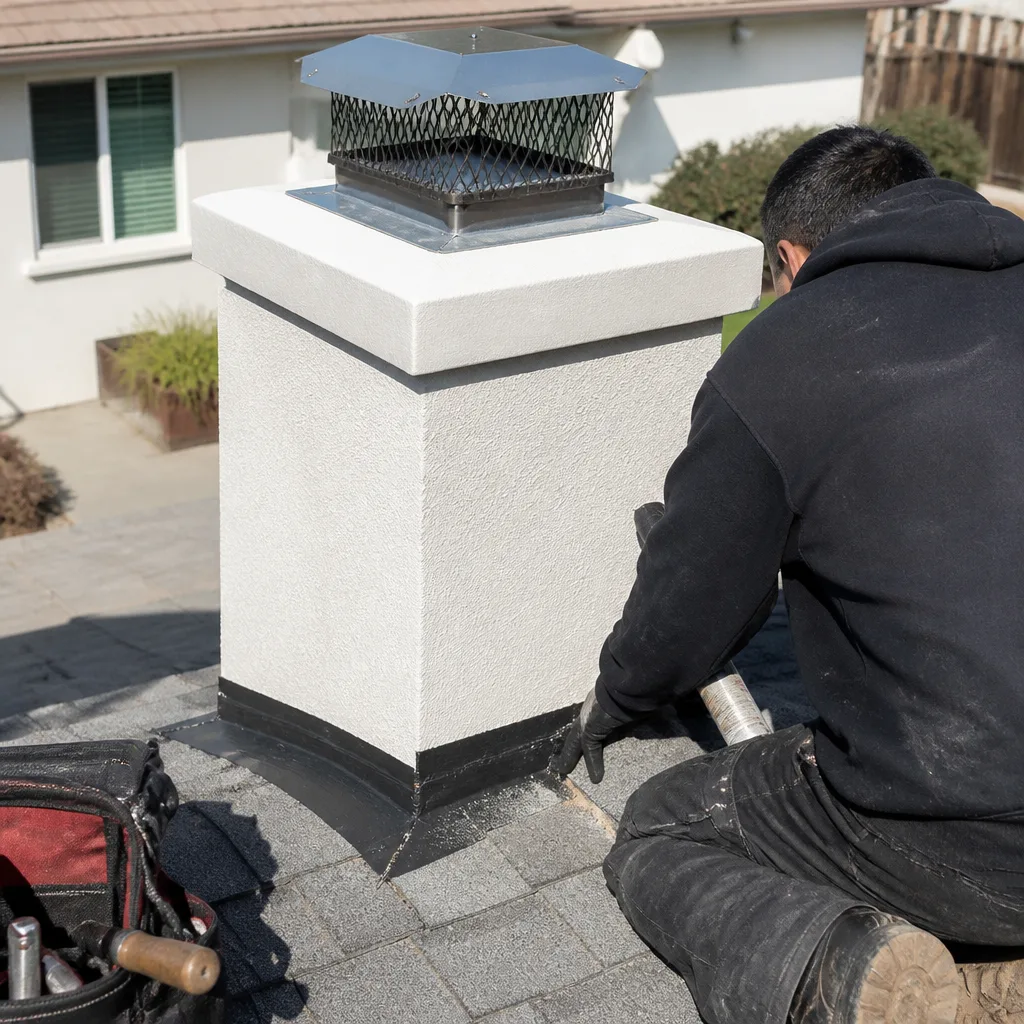
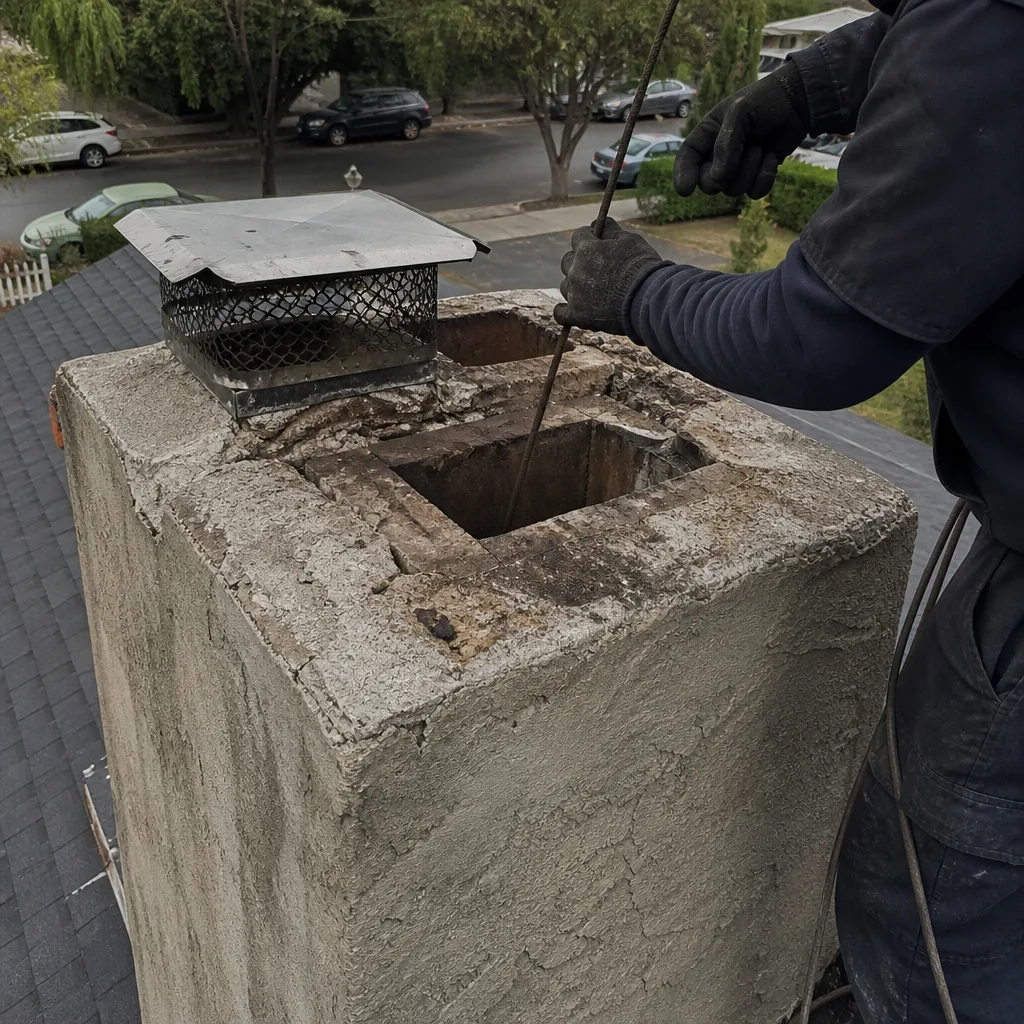
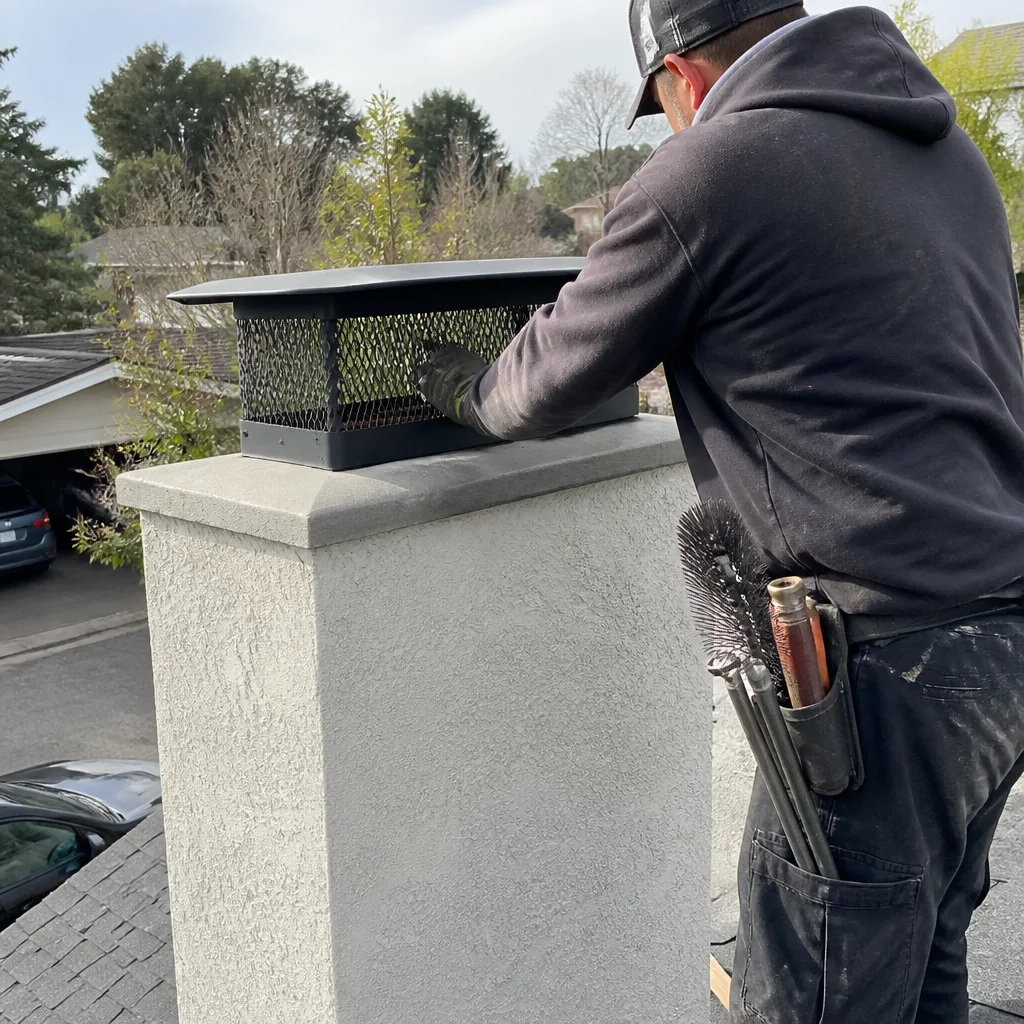
The chimney cap is the cheapest component of your chimney system and the one that reveals the most about your contractor’s materials philosophy. Here are the numbers that matter: 24-gauge stainless is the minimum acceptable spec for a cap that will last more than a few years. 20-gauge stainless is the professional standard, with noticeably better resistance to denting from falling branches, wind stress, and the thermal cycling that happens every time you light a fire. The warranty difference is just as telling. Entry-level caps typically carry a 5-year warranty. Specification-grade caps from Gelco and Olympia Chimney carry lifetime warranties because the manufacturers know the materials will hold up. When a contractor specs a Gelco cap, they’re choosing a product line designed for professional installation with proper mounting systems, not a generic unit that gets screwed to the flue tile with sheet metal screws.
In San Carlos, we deal with a specific set of cap failure modes that homeowners in other climates don’t face. The marine air moving across the peninsula accelerates corrosion on galvanized steel, which is why we’ve seen galvanized caps rust through in as little as three years. Rain and wind from winter storms work water into any gap around the cap mount, which is why the mounting system matters as much as the cap material. And the local wildlife situation, raccoons, squirrels, and nesting birds, puts real stress on the screen mesh that keeps animals out of your flue. A cheap cap with a thin mesh will get torn open by a determined raccoon in a single night. A Gelco or Olympia cap with heavier-gauge mesh and a proper mounting collar will hold.
The pattern to watch for: a contractor who shows you a cap and tells you the brand name and gauge is a contractor who thinks about materials. A contractor who tells you “we’ll put a cap on it” without specifying anything is a contractor who thinks about getting the job done and moving on. That difference shows up across the entire project, from the liner they install to the fasteners they use to the way they seal the crown. Professional-grade materials, properly installed, is the entire game. The cap is just the component where the difference is easiest to see.
Top-Sealing Dampers: Why Lock-Top and Lyemance Matter in the Bay Area
The throat damper that came with your fireplace is a cast-iron flap that sits just above the firebox, and it’s almost certainly leaking air. The standard throat damper, even when closed, leaves a gap around its edges, typically totaling several square inches of open area connecting your living room to the outside. In San Carlos, where winter temperatures drop into the 40s and summer fog keeps things cool, that opening works against you year-round. Your heated air escapes in winter. Your conditioned air escapes in summer. And the open flue invites moisture, insects, and the occasional bird into your chimney in every season.
The specification-grade solution is a top-sealing damper, and the two brands that dominate the professional market are Lock-Top and Lyemance. These dampers mount at the top of the flue, sealing the entire opening with a gasketed lid that closes from inside via a cable or handle. The seal is dramatically tighter than any throat damper because the gasket compresses against a machined surface rather than cast iron resting loosely in a frame. The energy savings are real: a top-sealing damper can cut heat loss through the chimney by a measurable percentage, and in the San Carlos climate, where every degree of heat you pay for matters, that adds up over a single winter.
The reason this matters for the brand conversation is that installing a top-sealing damper requires more technical competence than slapping a new throat damper in place. The contractor has to access the flue top, properly mount the damper housing, run the cable system down through the flue, and install the control mechanism where the homeowner can reach it. A contractor who offers Lock-Top or Lyemance as an option is a contractor who has worked at heights, understands venting dynamics, and thinks about the chimney as a complete system rather than a hole in the roof. When we repair chimneys in San Carlos, we often find throat dampers rusted open, which is a direct path for heat loss and moisture intrusion. The top-sealing upgrade is one of the highest-value improvements you can make to an existing fireplace, and the brand choice tells you whether your contractor takes it seriously.
HeatShield Resurfacing: The Liner Repair Option Most Contractors Don’t Offer
When a chimney inspection reveals cracks, gaps, or spalling in the clay tile liner, the traditional answer has been a full liner replacement, either with a new tile liner (requiring demolition) or a stainless insert (requiring significant labor). HeatShield represents a third option that most contractors in San Carlos don’t offer because it requires specialized training and certification. The HeatShield system is a ceramic resurfacing process that repairs damaged flue tiles by applying a proprietary ceramic coating inside the existing liner, effectively creating a new, smooth, sealed surface inside the old one. The material is specifically formulated for high-temperature flue applications and cures to a hard, durable surface that restores the liner’s fire containment and draft performance.
The practical advantage is cost and disruption. A full liner replacement might involve breaking out the old tiles, which means opening walls, working in tight spaces, and turning a one-day job into a three-day job. HeatShield resurfacing instead of full replacement can be completed in a single visit in many cases, and the installed cost is typically well below what a tear-out reline would run. But, and this is important, HeatShield is not a universal solution. It’s appropriate for liners with moderate damage: cracks, gaps between tiles, and surface erosion. A liner that has fully collapsed or is completely separated is a replacement job, not a resurfacing job. The skill, and the value of a contractor who does this work, is in knowing which situation you’re dealing with.
We find it on inspection, and we fix it on the same call whenever the damage profile allows. The reason most chimney sweeps don’t offer HeatShield is the same reason most don’t offer DuraFlex liners or Gelco caps: it requires buying into a professional-tier product ecosystem, getting certified, and standing behind the work. A Chimney Repair in San Carlos contractor who offers HeatShield is making a statement about their approach to the trade. They’re choosing the option that preserves your existing structure where possible rather than defaulting to the most expensive path.
Dryer Vents Are Chimneys Too: The Venting Ecosystem View
Every home in San Carlos has at least two chimneys, and one of them is attached to your clothes dryer. The dryer vent is a chimney in the functional sense: it moves hot, moist, particle-laden air from an appliance to the outside, and when it gets clogged, it becomes a fire hazard. The U.S. Fire Administration reports that dryer fires account for thousands of residential fires annually, and the leading cause by a wide margin is accumulated lint in the vent system. Lint is essentially dryer creosote: flammable, fine, and perfectly designed to ignite when airflow gets restricted and temperatures rise.
The brand conversation applies here too, which is why we treat Dryer Vent Cleaning in San Carlos as part of the same fire-safety discipline as chimney sweeping. The vent components themselves, the duct, the termination cap, the transition fittings, come in different grades, and the difference matters. Famco is a brand we spec for venting components because their products are engineered for specific applications rather than being generic sheet metal pieces. A proper dryer vent termination uses a backdraft damper that keeps outside air and pests out while allowing lint-laden air to exit. A cheap flap-style cap gets stuck open, lets cold air in, and provides an entry point for rodents. In San Carlos, where raccoons and rats are a constant presence, a proper vent cap is not optional.
The specification-grade approach to dryer vents is the same as it is for chimneys: use the right materials for the application, install them properly, and inspect them regularly. Dryer vents are chimneys too, and the homeowner who takes that seriously is the homeowner who doesn’t become a statistic. We include dryer vent inspection and cleaning in the same service conversation as fireplace work because the fire prevention logic is identical. The lint accumulating in your dryer vent is no different in principle from the creosote accumulating in your fireplace flue, and both need mechanical removal on a schedule.
Questions to Ask Before You Hire: The Brand Interrogation Protocol
The most effective way to separate specification-grade contractors from generic operators is to ask specific questions about product choices before you ever sign a work order. Here is the exact protocol we recommend, in order, because the first question does most of the filtering on its own.
- “What brand liner do you use and what alloy?” The correct answer for a wood-burning application is “DuraFlex 316Ti” or an equivalent 316Ti alloy from a recognized manufacturer. A contractor who can’t answer this question, or says “stainless steel” without specifying, is not a chimney specialist. This single question filters out most general handymen and casual operators immediately.
- “Do you offer HeatShield resurfacing as an option if my liner has moderate damage?” A contractor who says yes is trained and certified in a proprietary repair system, which means they’ve invested in professional development beyond the minimum. A contractor who says no and recommends full replacement for every liner issue is either untrained in the alternative or is steering you toward the more expensive option, neither of which is good.
- “What brand of cap will you install and what gauge is the material?” Look for “Gelco” or “Olympia Chimney” in 20-gauge stainless. A vague answer here predicts vague workmanship elsewhere.
- “Can you show me your source for venting components if I need dryer vent work?” A contractor who names a professional supply line like Olympia Chimney or Copperfield is buying from professional distributor networks that don’t sell to the general public. A contractor who buys from the retail shelf at a home center is using consumer-grade materials.
- “Will you show me camera inspection footage of my flue before recommending any repair?” This is the non-negotiable question. Any contractor recommending liner work, HeatShield, or replacement should be able to show you the actual condition of your flue on video. If they can’t show you the problem, they haven’t properly diagnosed it. We include camera inspection as a standard part of Chimney Sweep San Carlos home service, and you should expect the same from any contractor you consider.
Common Mistakes to Avoid
- Choosing a contractor based on price alone without asking about materials. The $129 sweep that uses a cheap brush and no inspection will not find the cracked liner that needs attention. The contractor who quotes $389 with camera inspection, brand-specific materials, and a written report is actually cheaper in the long run, because finding problems early is always cheaper than finding them after a fire.
- Assuming all “stainless steel” is the same. 304 and 316Ti are different alloys with different corrosion resistance profiles. In San Carlos’s marine air, the cheaper alloy fails faster, and the replacement cost exceeds the initial savings.
- Using creosote sweeping logs as a substitute for mechanical cleaning. Creosote logs can loosen some deposits, but they don’t remove the accumulated creosote from your flue. The loosened material still has to be physically swept out, and the log doesn’t inspect for the cracks and gaps that are the actual fire hazards.
- Skipping annual inspection because you don’t burn often. Moisture damage, animal intrusion, and structural settling happen whether you use the fireplace or not. An unused chimney is often in worse condition than a heavily used one because problems go unnoticed. San Carlos’s damp winters and raccoon population make unused chimneys prime real estate for damage.
- Ignoring the dryer vent while maintaining the chimney. Your dryer vent moves hot, flammable lint through your walls and roof. It’s the same fire-safety principle as a chimney flue, and it needs the same mechanical cleaning attention.
- Accepting a repair recommendation without seeing camera evidence. If a contractor tells you the liner needs replacement but can’t show you video of the damage, you’re taking someone’s word for a multi-thousand-dollar recommendation. Camera inspection is standard practice in professional-tier chimney work, not an upsell.
When to Call a Professional
You should schedule a professional chimney inspection and cleaning if any of these apply: it’s been more than 12 months since your last sweep, you’ve burned more than a cord of wood since then, you notice a persistent smoke smell in the house when the fireplace isn’t in use, you see visible creosote buildup on the damper or firebox walls, or you hear animals in the chimney. You should also call after any significant weather event that could have damaged the cap or crown, and after any period where the fireplace sat unused for more than a season. Chimney Sweep San Carlos offers free estimates in San Carlos, call (833) 620-0350 to schedule an inspection, and we’ll show you the condition of your entire flue system on camera before recommending any work. For The Complete Chimney Sweep Guide for San Carlos Homeowners and more guides & resources, visit our blog.
Frequently Asked Questions
The best product depends on your creosote stage: Anti-Creo-Soot (ACS) works as an ongoing maintenance catalyst for Stage 1 and early Stage 2, Rutland is effective for treating Stage 2 glazed deposits before mechanical brushing, and CSL is the strongest chemical option for heavy Stage 2 and some Stage 3 situations. For Stage 3 glazed creosote, no chemical product replaces professional rotary removal, and in San Carlos, where many older homes have long burn histories, Stage 3 is common. Call (833) 620-0350 and we can tell you from a camera inspection exactly what stage you’re dealing with and what will actually remove it.
316Ti is a titanium-stabilized stainless steel alloy that resists the chloride and acid corrosion caused by wood combustion byproducts and coastal air, which is why it’s the specification standard for wood-burning chimney liners in areas like San Carlos. The titanium stabilization prevents a type of corrosion called intergranular attack that can affect standard 304 stainless at high temperatures. A 316Ti liner from a manufacturer like DuraFlex typically lasts two to three times longer than a 304 liner in wood-burning applications, which is why specification-grade contractors won’t install anything less.
The National Fire Protection Association standard calls for annual inspection with cleaning at a frequency determined by actual use, and in San Carlos, where wood-burning fireplaces are common and the marine climate accelerates some deterioration patterns, an annual sweep is the right default for any home that burns more than occasional fires. Homes that burn softwoods, operate the fireplace as a primary heat source, or have older fireplace designs may need twice-annual attention. The only way to know for sure is a camera inspection that shows exactly how much creosote is accumulating.
HeatShield can resurface liners with cracks, gaps between tiles, and surface erosion, but it cannot fix a liner that has collapsed, completely separated, or exceeded its structural lifespan. The decision requires camera inspection to see the actual condition of the flue, and a contractor who offers both HeatShield and full relining can give you an honest comparison. In San Carlos, we resurface when the damage profile fits and replace when it doesn’t, because using the wrong solution either wastes your money on a liner that fails again or wastes money on a replacement you didn’t need.
Yes, and the payback period in San Carlos is shorter than in most climates because our winters are cool enough to make heat loss noticeable and our fog season keeps humidity high enough to matter. A top-sealing damper from Lock-Top or Lyemance seals the flue at the top with a gasketed lid, cutting the constant air exchange that a standard throat damper allows. Most homeowners notice the difference in both comfort and energy bills within the first full season after installation.
A professional chimney sweep with camera inspection in San Carlos typically runs between $250 and $450 depending on the height of the chimney, the degree of creosote buildup, and whether you add services like cap replacement or damper upgrades. The lowest prices in the market usually reflect a shorter visit with no camera inspection and no repair capability, which is fine if your chimney is pristine, but wasted money if it isn’t. Call (833) 620-0350 for a free estimate that includes the full scope of what we’ll actually do, including the camera report.
The Bottom Line
The product brands a chimney contractor specifies are a direct proxy for their overall approach to the work. A contractor who installs DuraFlex 316Ti liners, offers HeatShield resurfacing, specs Gelco caps, and uses Olympia Chimney or Copperfield supply lines has made deliberate choices about materials and training. A contractor who can’t name their liner alloy or cap gauge has made different choices. In San Carlos, where marine air, winter fires, and older housing stock combine to stress chimney systems, the specification-grade approach isn’t a luxury. It’s the difference between a chimney that works safely for decades and one that becomes a problem you have to pay to fix twice. Ask the questions, demand camera evidence, and choose the contractor whose materials philosophy matches the way you want your home maintained. For more guides & resources, explore our blog.
Written by the team at Chimney Sweep San Carlos, serving San Carlos since 2011.
See the difference
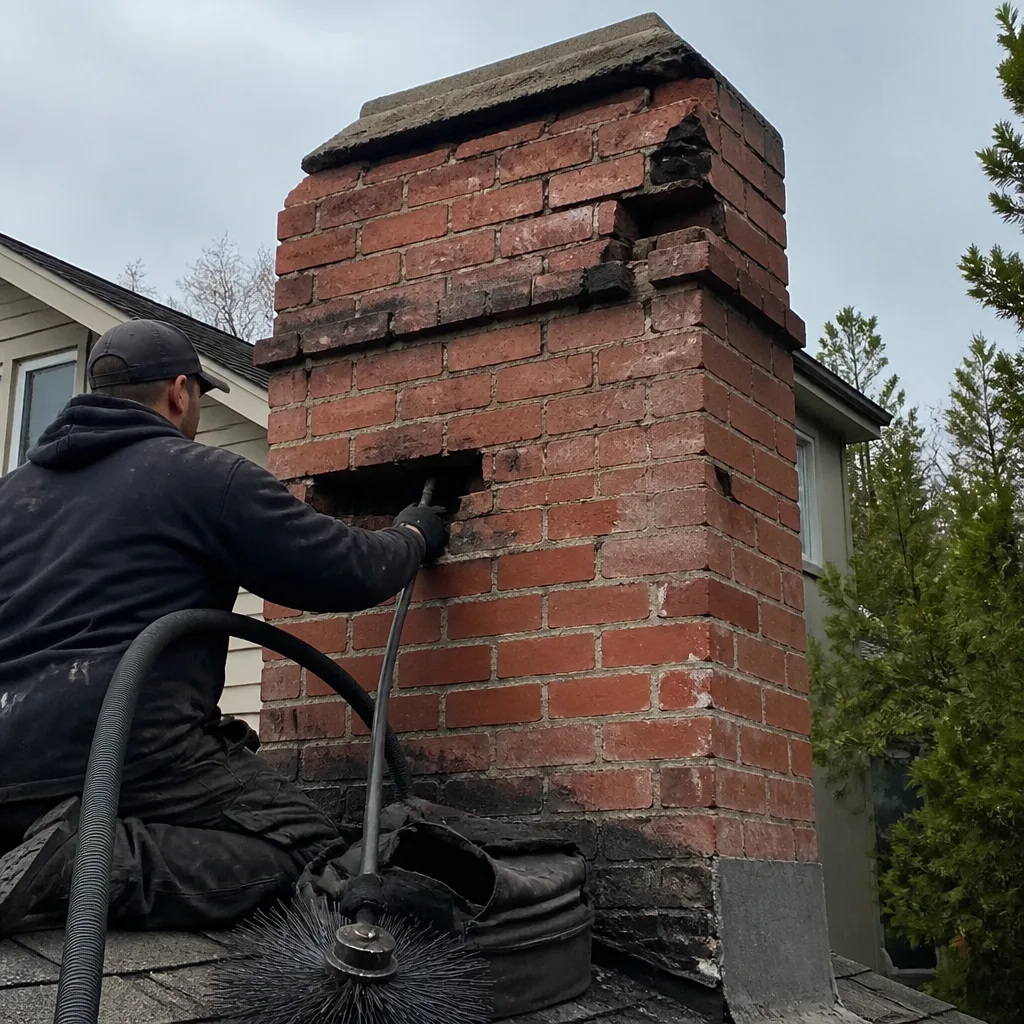 Before
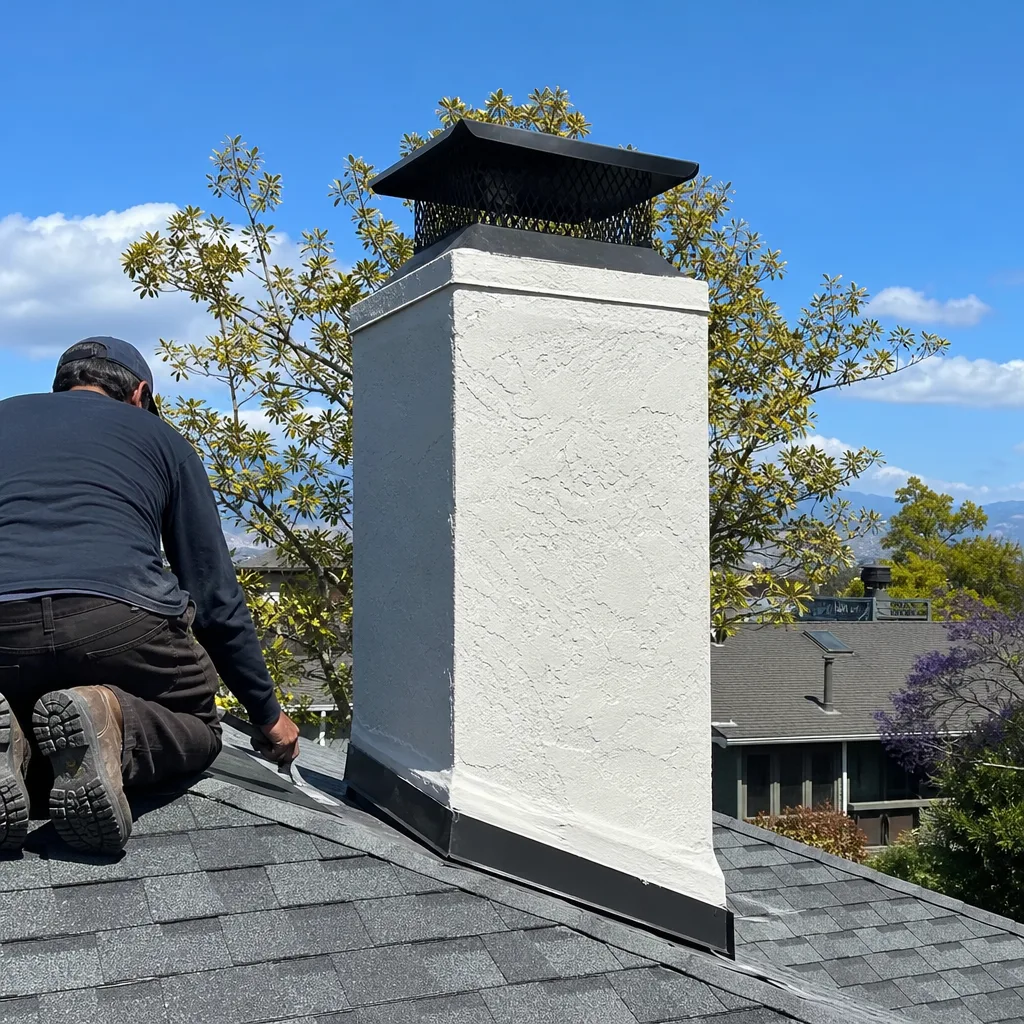 After
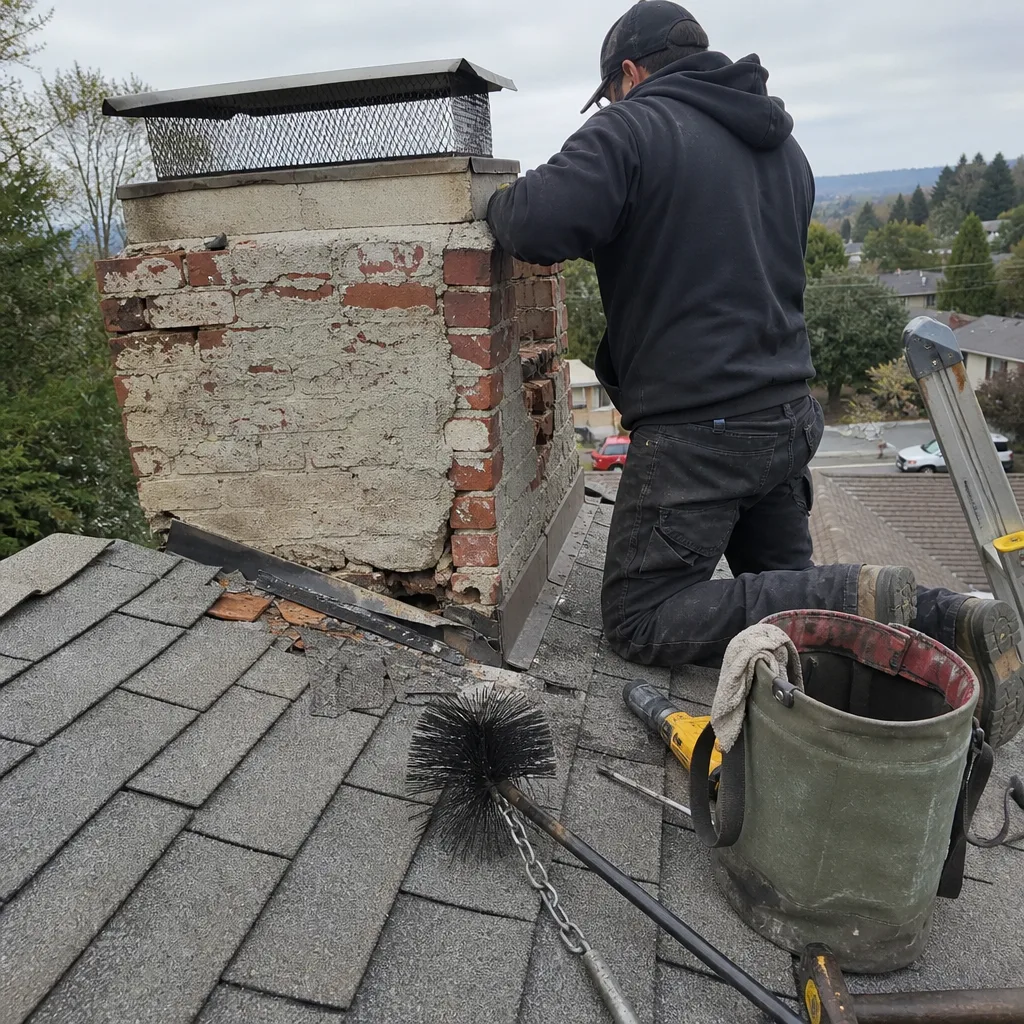 Before
 After
 Before
 After