
Last updated November 2, 2026
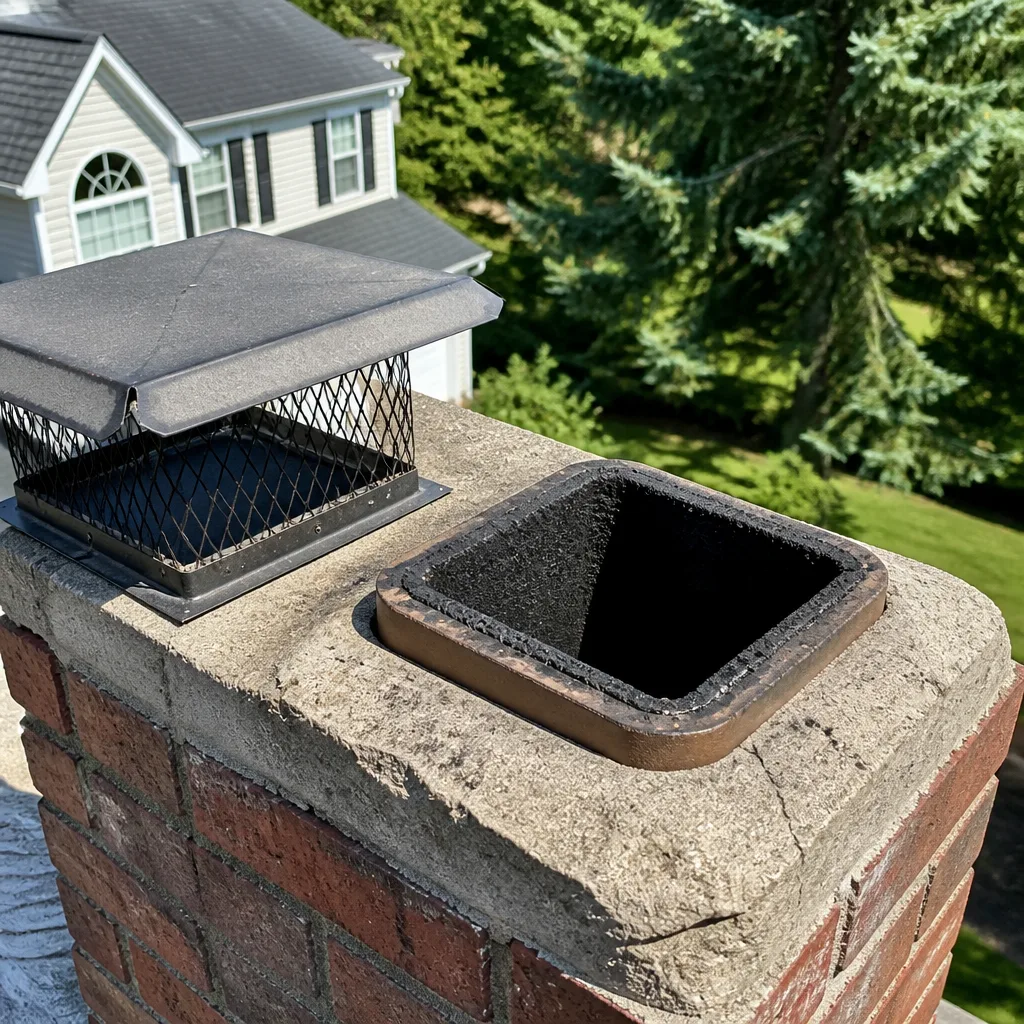 Sweep & inspection
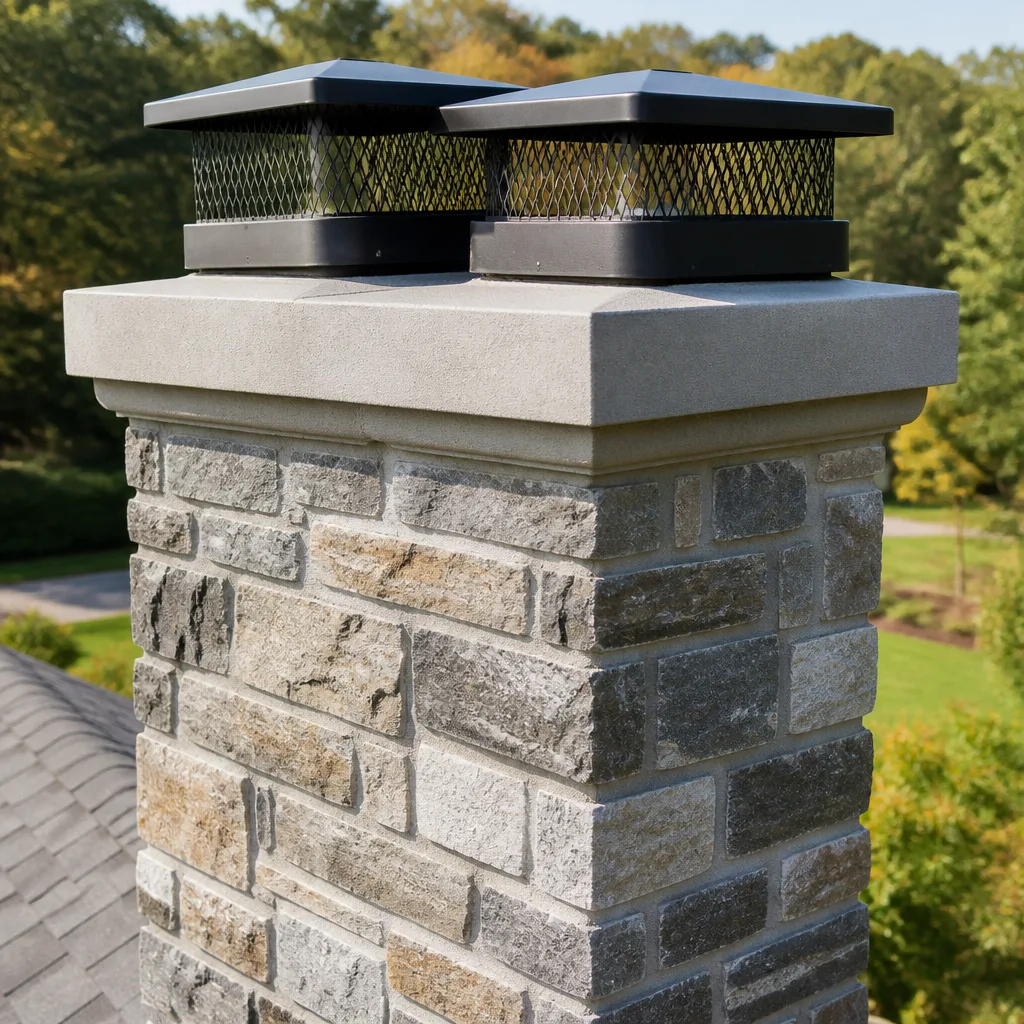 Caps & crowns
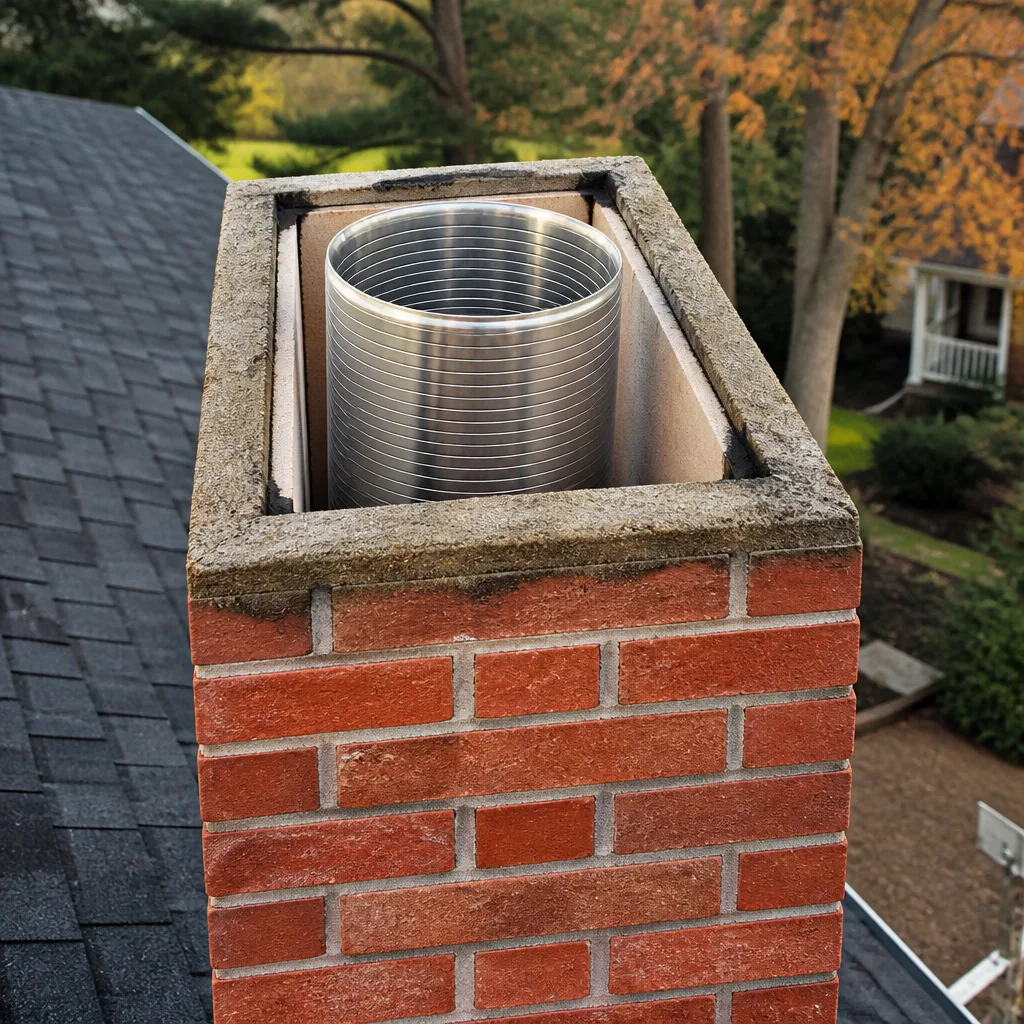 Flue relining
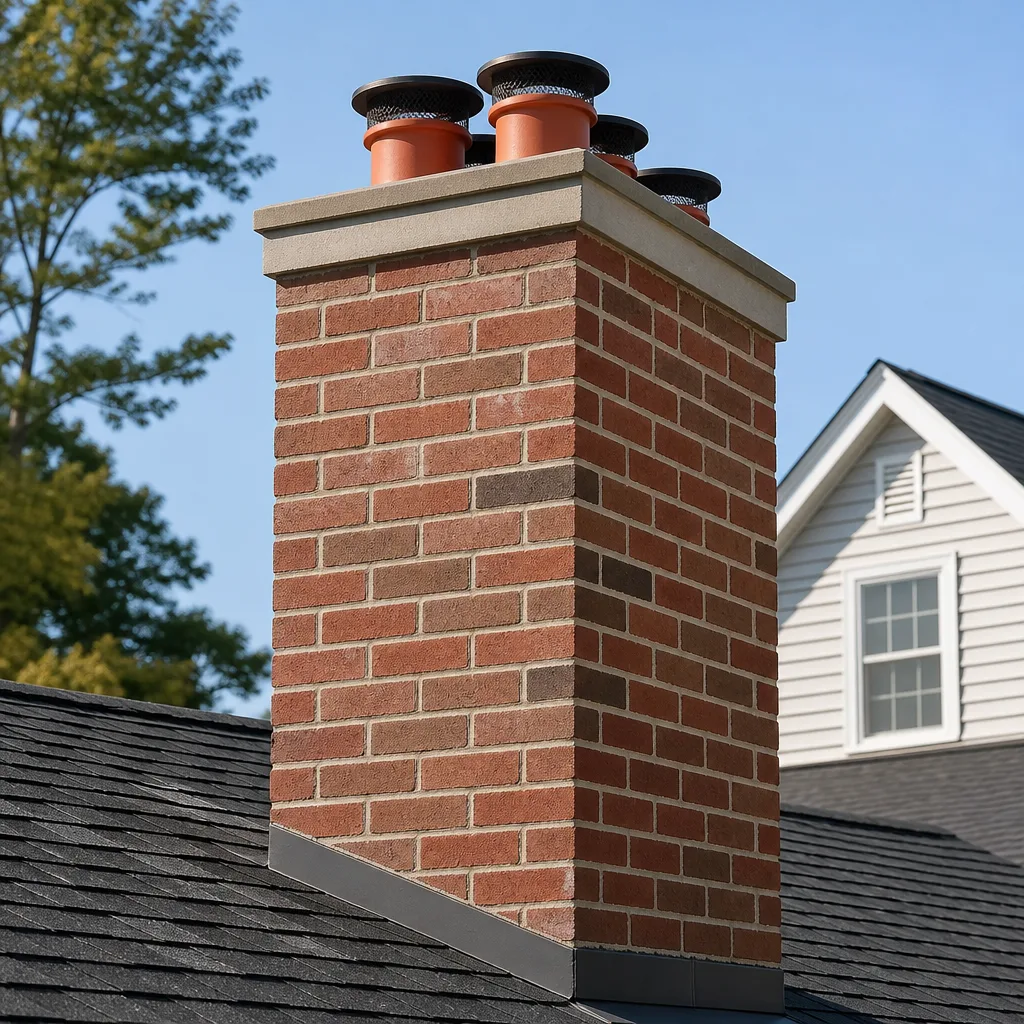 Masonry repair
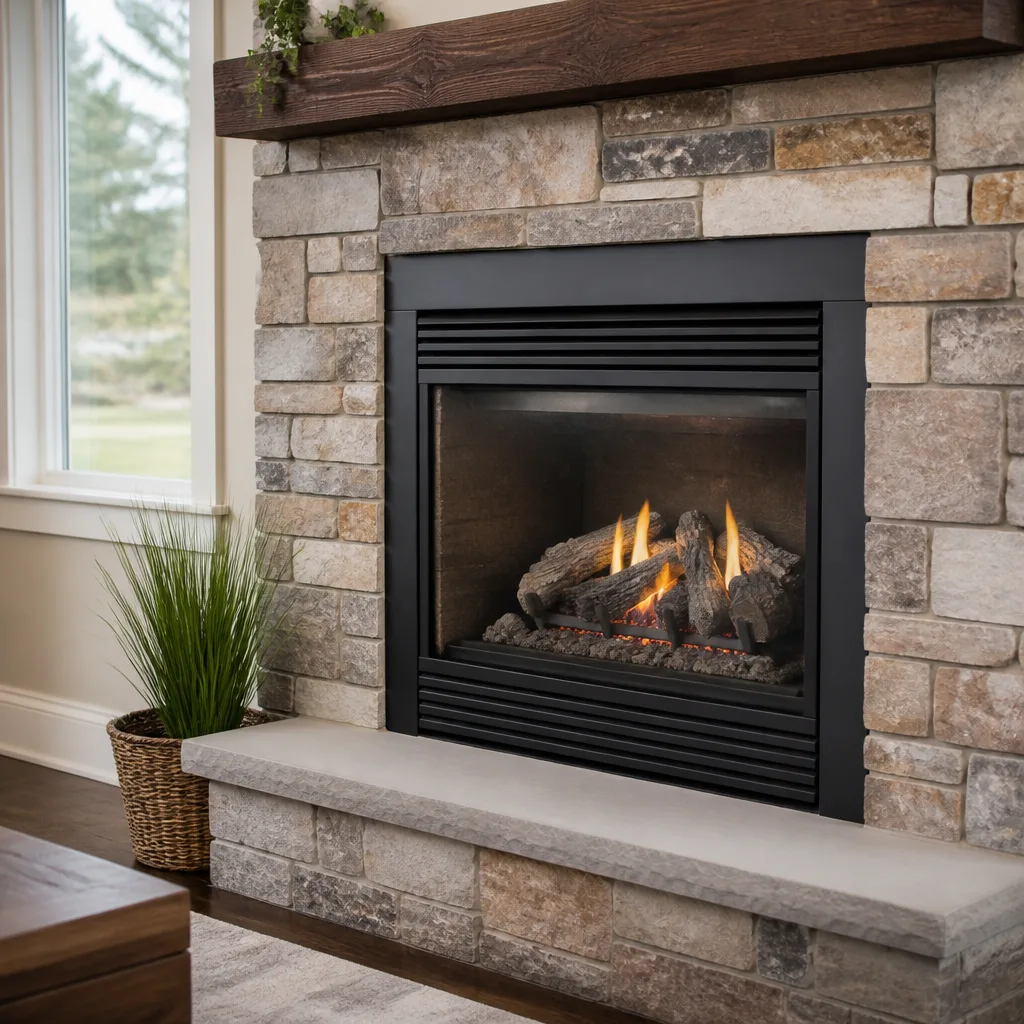 Gas fireplace service
Level 1 sweep and inspection to the NFPA 211 annual standard - flue, crown, cap, and flashing checked and photographed
Chimney sweep logs do not sweep chimneys. They loosen some creosote - which then falls where a brush and vacuum still have to collect it.
Chimney Cleaning Emergency Preparedness Guide for San Carlos Homes
A chimney fire does not crackle like a campfire. It sounds like a freight train running through the middle of your house. That low, sustained rumble, the roaring draft, flames or sparks venting from the cap: homeowners routinely mistake it for a hot fire in the firebox and wait. That wait is the difference between a contained flue event and a house fire. This guide covers the three emergencies San Carlos homeowners actually face with chimneys – chimney fire, carbon monoxide from a blocked flue, and wildfire ember intrusion – and the precise, correct response to each. They are not the same emergency, and treating them the same way is a dangerous error.
Styles & brands we work with
- Sweep & inspection
- Caps & crowns
- Flue relining
- Masonry repair
- Gas fireplace service
Quick Answer
Emergency preparedness for a San Carlos chimney means knowing three distinct response sequences: for a chimney fire, close the damper to starve the fire of air, evacuate, and call 911 from outside; for carbon monoxide exposure, get everyone out first and call 911 after you’re outside – never wait inside for confirmation; for wildfire ember intrusion, close the damper and keep the flue sealed while embers are present. After any of these events, a Level 2 chimney inspection under NFPA 211 is mandatory before you use the fireplace again. Preparedness hardware – the right cap and screen – prevents most ember intrusion events entirely.
Table of Contents
- The Three Chimney Emergencies San Carlos Homeowners Face
- How to Identify a Chimney Fire Before Equipment Does
- The 60-Second Chimney Fire Response Sequence
- Carbon Monoxide From a Blocked Flue: Why It’s Different and What to Do
- After the Emergency: Why a Level 2 Inspection Is Not Optional
- Wildfire Ember Intrusion: Preparedness Hardware for San Carlos Homes
- Why Routine Sweeps Are the Lowest-Cost Emergency Prevention
- Common Mistakes to Avoid
- When to Call a Professional
- Frequently Asked Questions
- The Bottom Line
The Three Chimney Emergencies San Carlos Homeowners Face
San Carlos sits in a fire zone. That’s not alarmism – it’s geography. The city’s position along the Peninsula means seasonal dry spells, Diablo wind events, and ember casts from regional wildfires. But the most common chimney emergency in San Carlos is not wildfire. It’s the slow accumulation of creosote inside the flue, built up over a season or several, igniting during a routine fire – exactly why our Chimney Cleaning Warning Signs: A San Carlos Homeowner’s Reference Guide matters. The second is carbon monoxide pooling in the home when a flue is partially blocked or drafting backward. The third, and rarest, is ember intrusion during a wildfire event when a chimney is uncapped or poorly screened.
These three emergencies share almost no correct response. A chimney fire requires you to close the damper and get out. A CO event requires you to get out first and not go back, even to close the damper. An ember event requires you to stay and keep the damper shut, provided the structure is not yet on fire. Conflating these is why many homeowners lose valuable minutes making the wrong move. Understanding the distinction is the foundation of a workable emergency plan.
What connects all three is an inspection-backed baseline. You can’t know if your Chimney Sweep in San Carlos flue is in shape to survive an emergency or is already a hazard unless a trained sweep evaluates it during a routine visit. But between inspections, you need to know the sensory cues that tell you which emergency is unfolding.
How to Identify a Chimney Fire Before Equipment Does
Chimney fires don’t announce themselves with smoke alarms. They announce themselves with sound. The unmistakable sign is a deep, low rumble – often described as a roar or a sound like a train passing at close range. That rumble is air being pulled violently up the flue by a fire burning inside it. You may see flames or glowing embers exiting the top of the chimney. You may notice dense, dark smoke pushing from the chimney cap, especially with a creosote fire, or lighter-colored, faster smoke with a soot-fed burn.
Inside the home, a chimney fire can feel like a fire that’s suddenly gotten away from you: the firebox glows unusually bright, the damper is open, and the room warms quickly. The key distinction is the noise and the draft. A normal fireplace fire doesn’t roar. If you hear it, you’re not hearing the firebox – you’re hearing the flue.
San Carlos-specific consideration: our dry season means creosote inside unmaintained flues is often drier and more readily combustible than in humid climates. The rate of buildup from softwood fires in this region also tends to be higher than homeowners assume. We see flues in Emerald Hills and Devonshire Canyon with third-stage creosote after one heavy season, particularly when fires are built with unseasoned wood or the damper is run partially closed.
The 60-Second Chimney Fire Response Sequence
If you recognize a chimney fire, your response should follow this order. It is not the same order as a house fire response, and that distinction matters.
- Close the damper. This is the single most important step. A chimney fire burns on air moving up the flue. Closing the damper cuts the primary air supply from below, which slows the fire and reduces the draft feeding it. Do not open any glass doors on the firebox.
- Close any air intakes on the fireplace or stove. If you have a wood stove with a primary air control, shut it fully. If you have glass doors on the fireplace, close them.
- Evacuate everyone from the home. Do not stop to gather belongings. Get out through the nearest exit.
- Call 911 from outside. Tell the dispatcher you have a confirmed or suspected chimney fire. This is not a routine call – a chimney fire can spread to the surrounding structure, and the fire department needs to clear the flue and check the attic and roof.
- Do not use the fireplace again until it has been inspected. Even if the fire appears to have gone out, the flue and surrounding masonry or chase may be compromised.
This sequence works because it addresses the fire’s fuel source: the air flowing through the flue. You cannot climb on the roof. You cannot spray water down a burning flue safely. Starving it of air while you get out is the correct mechanical response, and it’s the one step that buys critical minutes while fire crews are en route.
One note on pre-planning: you should be able to close your damper by feel, in the dark, in under five seconds. If your damper is rusted, stuck, or you’re not sure how it operates, that’s a defect to correct now – not during a fire. A routine sweep includes a damper function check, and if it’s compromised, it should be replaced as part of a Chimney Repair in San Carlos call before burn season.
Carbon Monoxide From a Blocked Flue: Why It’s Different and What to Do
Carbon monoxide from a chimney system behaves differently than CO from a malfunctioning furnace or water heater. With an appliance failure, CO is typically produced at a steady rate as the burner runs inefficiently. With a chimney, the situation is often a blocked or partially collapsed flue that prevents exhaust from leaving the home, or a backdraft that pushes combustion gases down into the living space. The onset can be rapid, especially in a tightly sealed San Carlos home during a cold evening when the fireplace is running at full draw.
The difference matters for evacuation. With a slow, low-level appliance leak, residents often experience symptoms – headache, nausea, dizziness – before alarms sound. With a blocked flue, the event can mimic a fast-moving house fire in terms of air quality: dense exhaust, visible smoke, and disorientation within minutes. The response protocol is different.
- Get everyone outside immediately. Do not investigate the source. Do not open windows first. Do not go back inside for a phone.
- Call 911 from outside. Carbon monoxide exposure requires medical evaluation, even for people who feel fine. The fire department will meter the home and ventilate it.
- Do not re-enter under any circumstances until the fire department clears the home.
- After ventilation, the flue must be inspected before the fireplace is used again. A CO event from a chimney is almost always structural: a blockage, a cracked flue tile, a collapsed liner section, or a malfunctioning damper.
CO alarms are essential in any San Carlos home with a fireplace, and they should be installed on every level, including outside sleeping areas. But an alarm is a last line of defense. The flue itself – its condition, its draft, its ability to move exhaust out of the home – is the safety system. When we sweep a chimney in San Carlos, we check that the flue is actually moving air. A flue that’s open but not drafting is a CO event waiting to happen.
After the Emergency: Why a Level 2 Inspection Is Not Optional
NFPA 211, the national standard for chimney systems, specifies three levels of inspection. A Level 2 inspection is required after any operating malfunction, any chimney fire, any change in fuel type, or before a property changes hands. If your chimney has survived a fire – even a small one that you contained by closing the damper – you need a Level 2. This is not a recommendation. It’s the standard.
A Level 2 includes everything in a Level 1 visual inspection, plus a camera evaluation of the flue interior accessible from the firebox to the cap. The reason is straightforward: a chimney fire can damage the flue liner without leaving exterior signs. Glazed creosote can burn hot enough to crack a clay tile liner. Stainless liners can warp. Mortar joints can fail. None of this is visible from the firebox floor, and none of it will show up on a standard sweep.
In our experience in San Carlos, we’ve inspected flues after what homeowners described as a “small” chimney fire and found structural compromise at the tile level that required remediation. The two most common paths after a chimney fire are: relining the flue with a DuraFlex stainless flexible liner, the industry standard for restoring a damaged or outdated chimney, or applying HeatShield ceramic resurfacing when the damage is contained to joint failure and the liner is otherwise sound. HeatShield can restore a flue without a full reline – a cost difference that can be meaningful for San Carlos homeowners already dealing with emergency expenses. But you only know which path applies after the camera inspection tells you what actually happened inside the flue.
Wildfire Ember Intrusion: Preparedness Hardware for San Carlos Homes
San Carlos is not a city that can ignore wildfire. The hillside neighborhoods – Crestview, Devonshire, and the areas bordering Eaton Park and Big Canyon Park – sit near or within wildland-urban interface zones. During a red flag warning, the immediate home-vulnerability points are the roof, the vents, and the chimney. An uncapped or poorly screened chimney is an open channel for embers riding the wind.
Ember intrusion through a flue works differently than a structure fire. An ember enters the chimney during a wind event, lands on accumulated creosote or dry debris, and smolders. It can go unnoticed for hours, then ignite after the wind has passed and the family has gone to bed. This is not conjecture – it is one of the documented paths by which wildfire-adjacent structures are lost when the main fire front never reached the home.
Preparedness hardware starts at the top of the flue. The cap specifications that work for ember resistance in San Carlos include:
- A spark arrestor screen with openings no larger than ¾ inch, and ideally ⅜ to ½ inch for wildfire zones. The mesh must be stainless steel or it will rust through within a few seasons in coastal air.
- A properly sized cap that extends coverage over the full flue opening with overhang on all sides. Caps that are the wrong size create gaps where embers can enter sideways.
- A product-rated cap built for the flue. We specify Gelco chimney caps because they’re manufactured for specific flue dimensions rather than generic “fits most” hardware store substitutes. A cap that doesn’t seal the flue properly is false protection.
During a red flag event, the correct action is to close the damper fully and keep it closed. If the fireplace is not in use – which it shouldn’t be during a fire weather event – the damper has no reason to be open. An open damper during an ember cast is an invitation. A closed damper with a proper cap and screen gives you two independent barriers between the wind and your home’s interior. That’s the standard you want.
Why Routine Sweeps Are the Lowest-Cost Emergency Prevention
Every chimney emergency in a San Carlos home is downstream of a flue condition that an inspection would have flagged. Chimney fires are caused by creosote accumulation. CO events are caused by blockages or draft failure. Ember intrusion is enabled by missing or inadequate caps. None of these are spontaneous failures. They are conditions with months of lead time.
Routine sweeping removes the creosote layer that serves as fuel for a chimney fire. It also moves the inspection into the flue where blockages live: nests, debris, cracked tiles, failed mortar. When we sweep a chimney in San Carlos, the sweep is the inspection vehicle. We see it as the moment when the flue tells us what it needs. We find it on inspection, we fix it on the same call – and that applies to Chimney Sweep San Carlos home service standards.
What a routine sweep costs, in relation to a post-fire reline, is not close. A standard sweep and inspection is a modest, predictable line item. A chimney fire, even one that doesn’t spread to the structure, routinely leads to a Level 2 inspection, liner repair or replacement, and often masonry work. The dollar gap is often several thousand dollars. More importantly, the sweep happens on your schedule, before burn season, not after your family has evacuated onto the front lawn in the middle of the night.
Common Mistakes to Avoid
- Treating a chimney fire as a bigger firebox fire. You cannot wait it out. A chimney fire burns in the flue, not the firebox, and it will not go out on its own just because the wood has burned down. The damper must be closed and the fire department called.
- Staying inside during a CO alarm to “check things out.” Carbon monoxide from a blocked flue can disorient you in minutes. The correct move is always outside first. You can investigate after the fire department has ventilated and metered the home.
- Assuming a “small” chimney fire means no damage. Flue damage is not proportional to the drama of the event. A contained creosote fire that burns for two minutes can crack a liner tile. Level 2 inspection is required, and skipping it means risking a future, larger fire.
- Using a hardware store cap as a wildfire barrier. Caps are not interchangeable. A generic cap with coarse mesh and poor fit is not a functioning ember barrier. Specification matters, particularly in the wildland-adjacent parts of San Carlos.
- Skipping the sweep because “we only use the fireplace a few times a year.” Creosote builds on each use. If you can’t remember your last sweep, you’re due for one, regardless of how often the fireplace actually runs.
- Ignoring draft problems as a nuisance rather than a warning. Smoke backing into the room, a flue that smells in summer, or a fire that’s hard to start are all symptoms of airflow failure. Draft problems are the earliest visible sign of a flue that’s not moving exhaust out of the home.
When to Call a Professional
Any confirmed or suspected chimney fire, any CO event, or any ember intrusion means a professional inspection before the fireplace is used again. That’s not optional – it’s the NFPA 211 standard and it’s the common-sense baseline for a system that moves fire and exhaust through the center of your house.
Beyond emergencies, call a sweep if you’re seeing smoke backdraft, noticing a strong odor from the fireplace in summer, if it’s been more than a year since your last cleaning, or if you’ve purchased a home in San Carlos with a fireplace and no documentation of the last inspection. Chimney Sweep San Carlos offers free estimates in San Carlos – call (833) 620-0350 to schedule a sweep, inspection, or a Level 2 camera evaluation after a fire event.
Frequently Asked Questions
A chimney fire sounds like a low, continuous rumble or roar – often described as a freight train passing nearby. It comes from the flue, not the firebox, and is sometimes accompanied by visible flames or sparks from the chimney cap and dense smoke.
There is no safe window. A chimney fire can compromise a flue liner in minutes, and the spread to surrounding framing depends on the construction of the chase or masonry, the intensity of the fire, and the materials around the flue. The correct response is immediate: close the damper, evacuate, call 911, and do not re-enter until the fire department clears the home.
Seasoned hardwood reduces creosote production, but it does not eliminate it. Every fire produces some creosote, and it accumulates over time. The only reliable prevention is to have the flue swept at the correct interval – typically annually for regular use – and to keep the damper and flue in sound operating condition.
A chimney fire can cause damage that’s invisible from the exterior: cracked liner tiles, warped stainless sections, failed mortar joints. The Level 2 camera inspection is the only way to confirm the flue is intact. Using a chimney with hidden liner damage puts your home at risk of a future, uncontrolled fire.
A product-rated cap with stainless steel spark arrestor mesh sized ⅜ to ½ inch, built for your specific flue dimensions, and installed with full coverage over the flue opening. We specify Gelco caps for this reason – they’re manufactured to dimension, not generic substitutes. During a red flag event, the damper should be closed regardless of the cap.
For most wood-burning fireplaces in San Carlos, once per year, prior to the primary burn season, is the correct interval. Homes that burn frequently through the winter, use softer woods, or have older flue systems may need more frequent sweeping. A professional inspection will confirm the right cadence for your specific system.
The Bottom Line
Chimney emergencies in San Carlos fall into three distinct categories: chimney fire, carbon monoxide from a blocked flue, and ember intrusion during wildfire conditions. Each requires a different immediate response, and each is preventable with a properly maintained flue. The core discipline is simple: know your damper, know the sensory signs of a chimney fire, evacuate on CO without hesitation, and keep a specification-grade cap and screen on the flue. After any event, a Level 2 inspection is the mandatory next step. And before any emergency ever has a chance to happen, an annual sweep from a repair-capable professional is the lowest-cost insurance you can buy for your home’s chimney system. For more guides & resources, visit our blog.
Written by the team at Chimney Sweep San Carlos, serving San Carlos since 2011.
See the difference
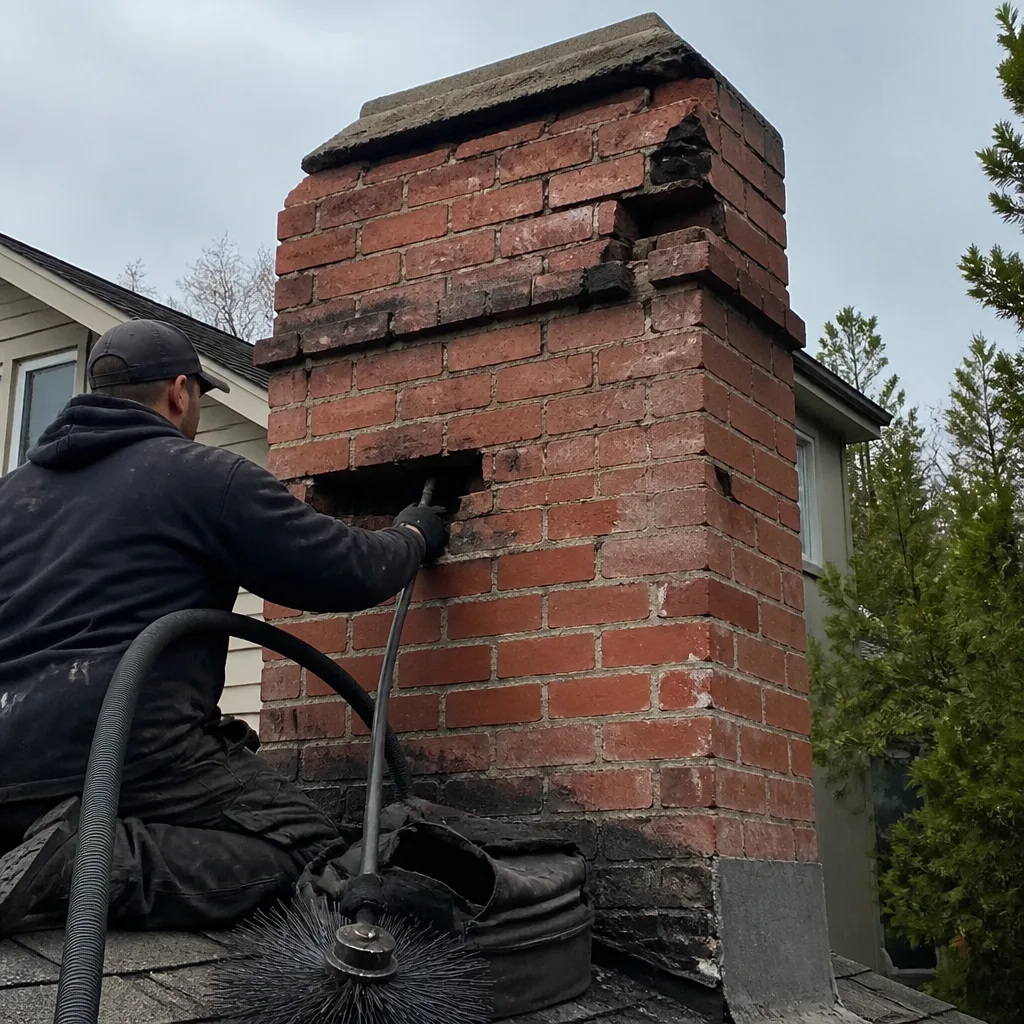 Before
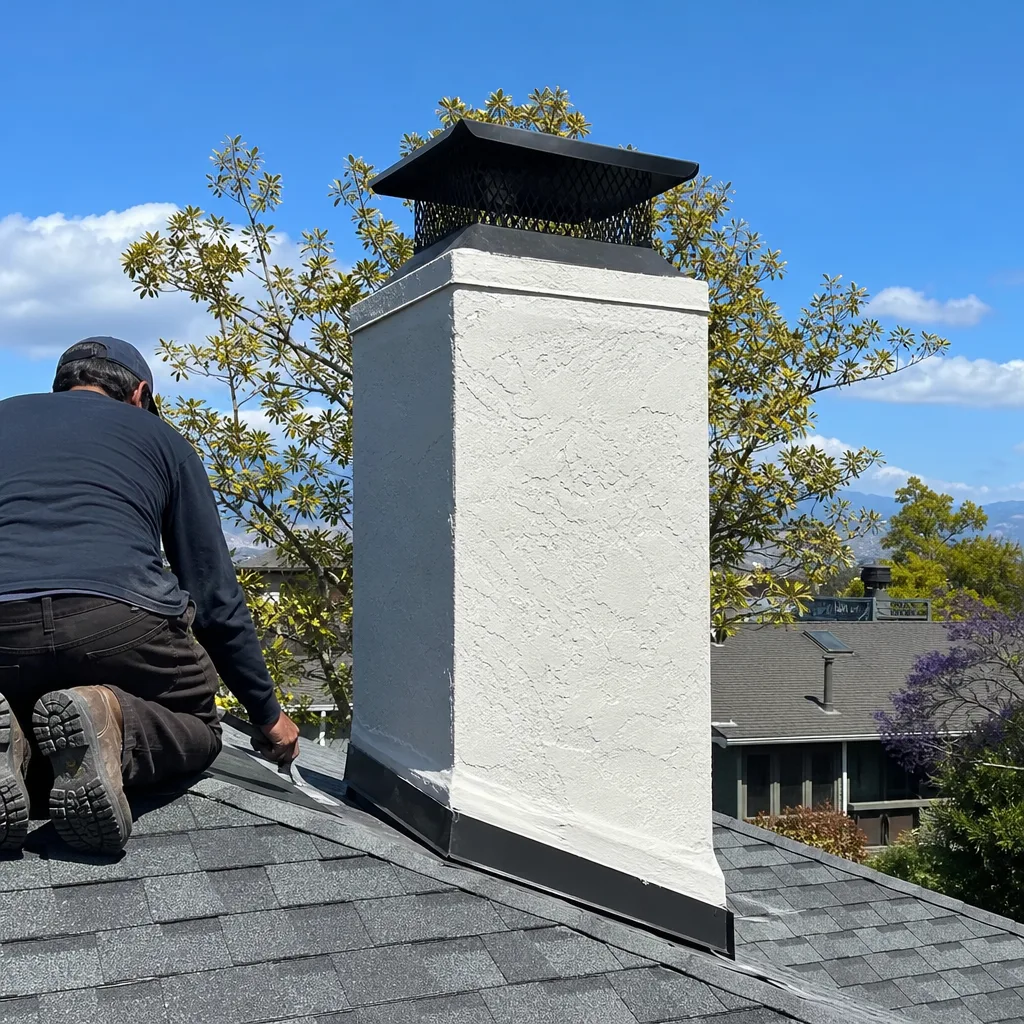 After
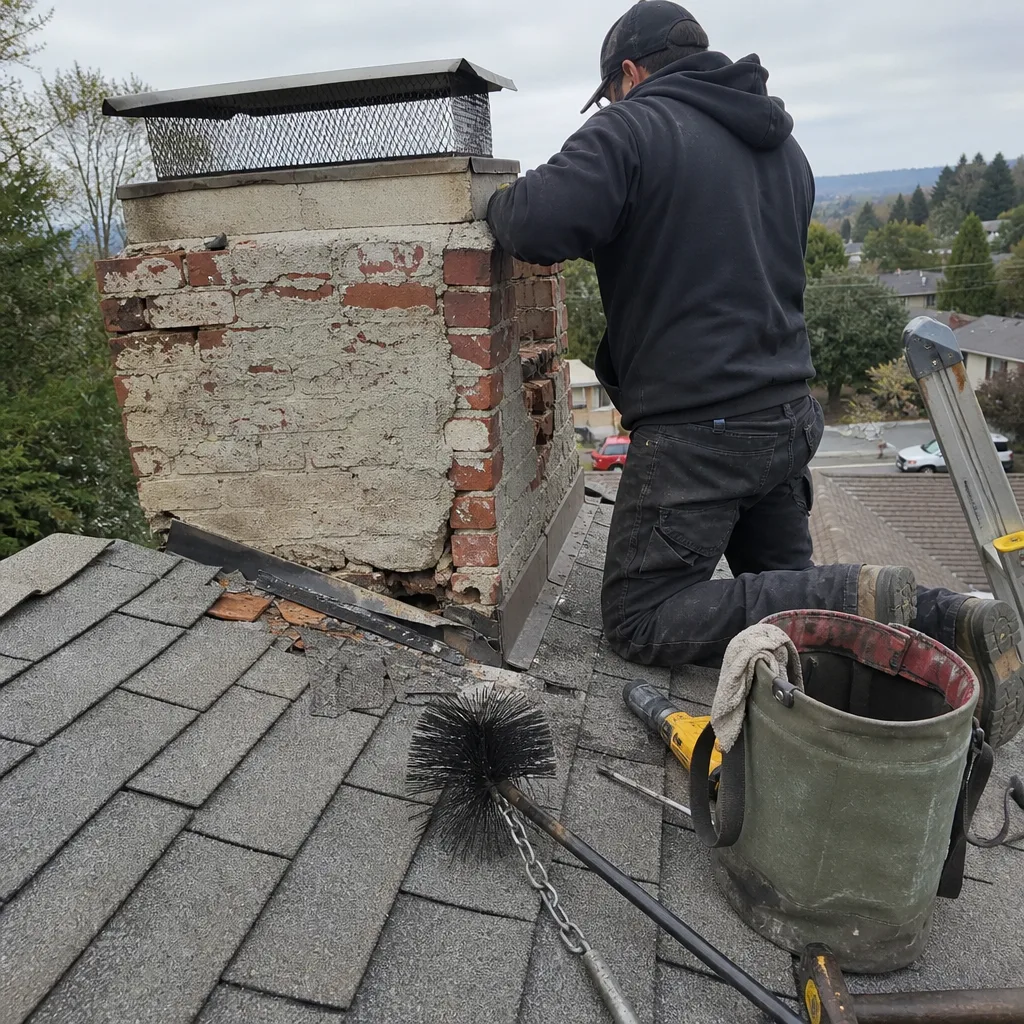 Before
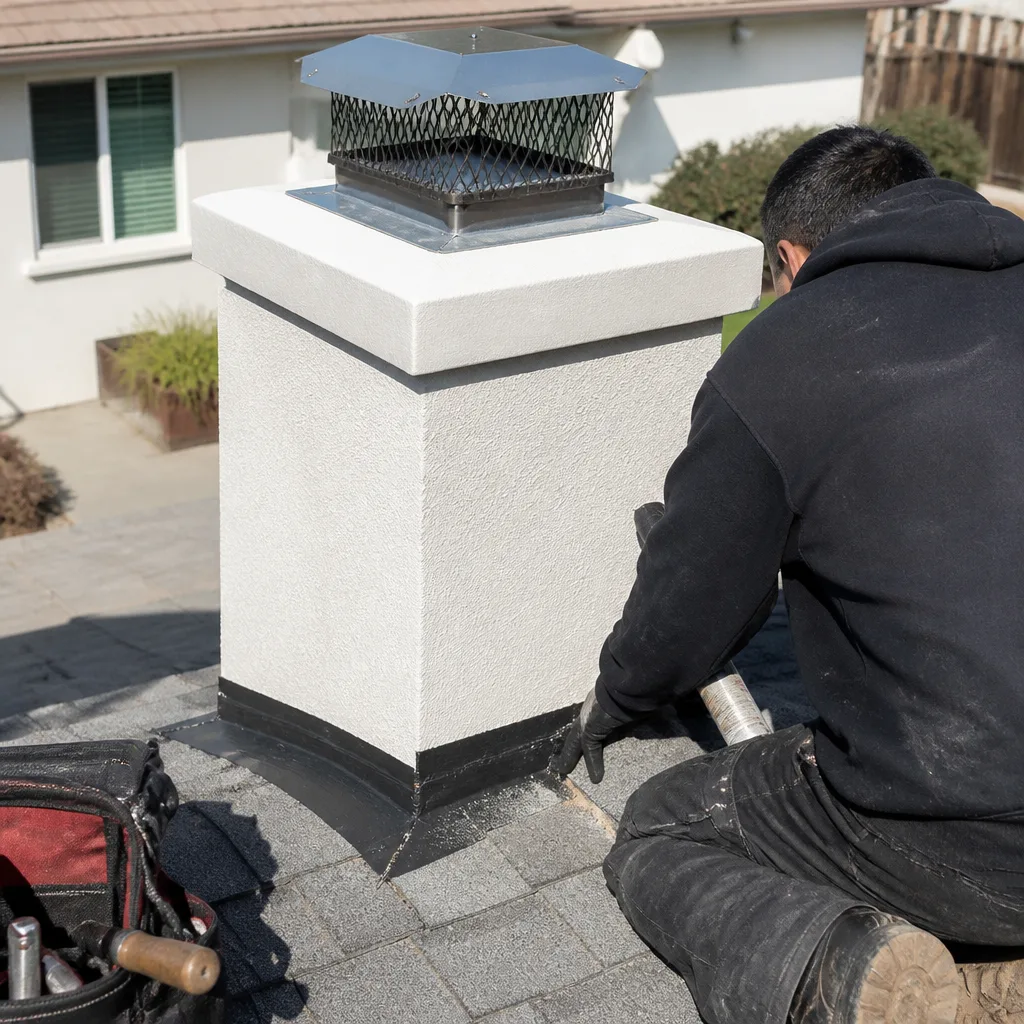 After
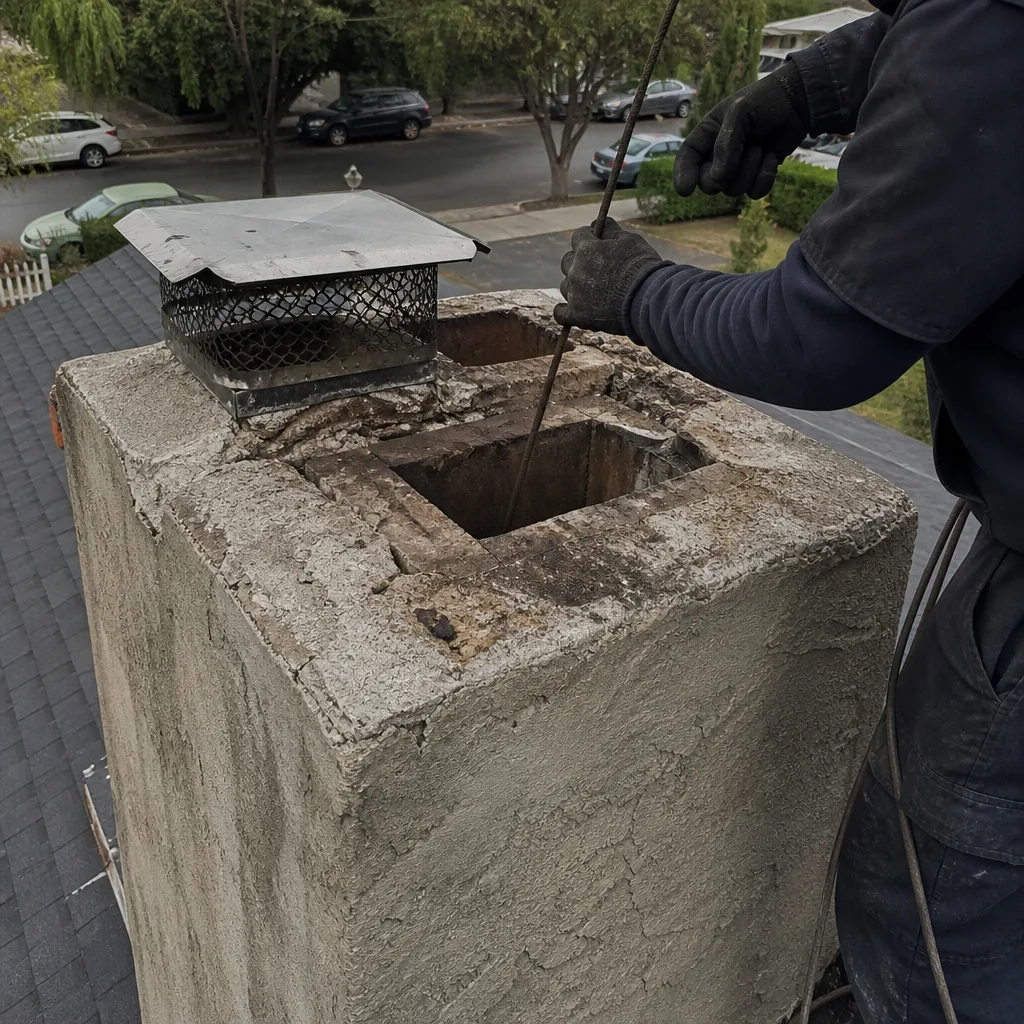 Before
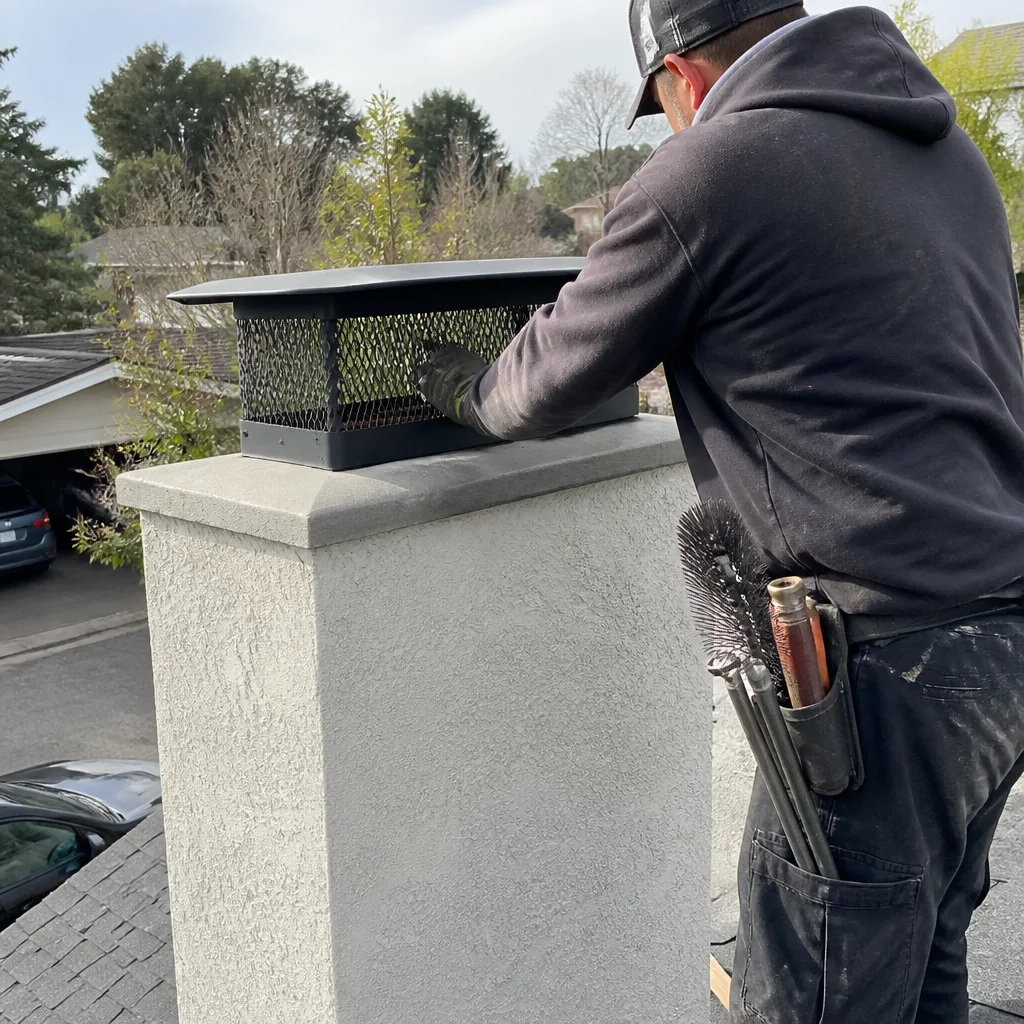 After