
Last updated November 2, 2026
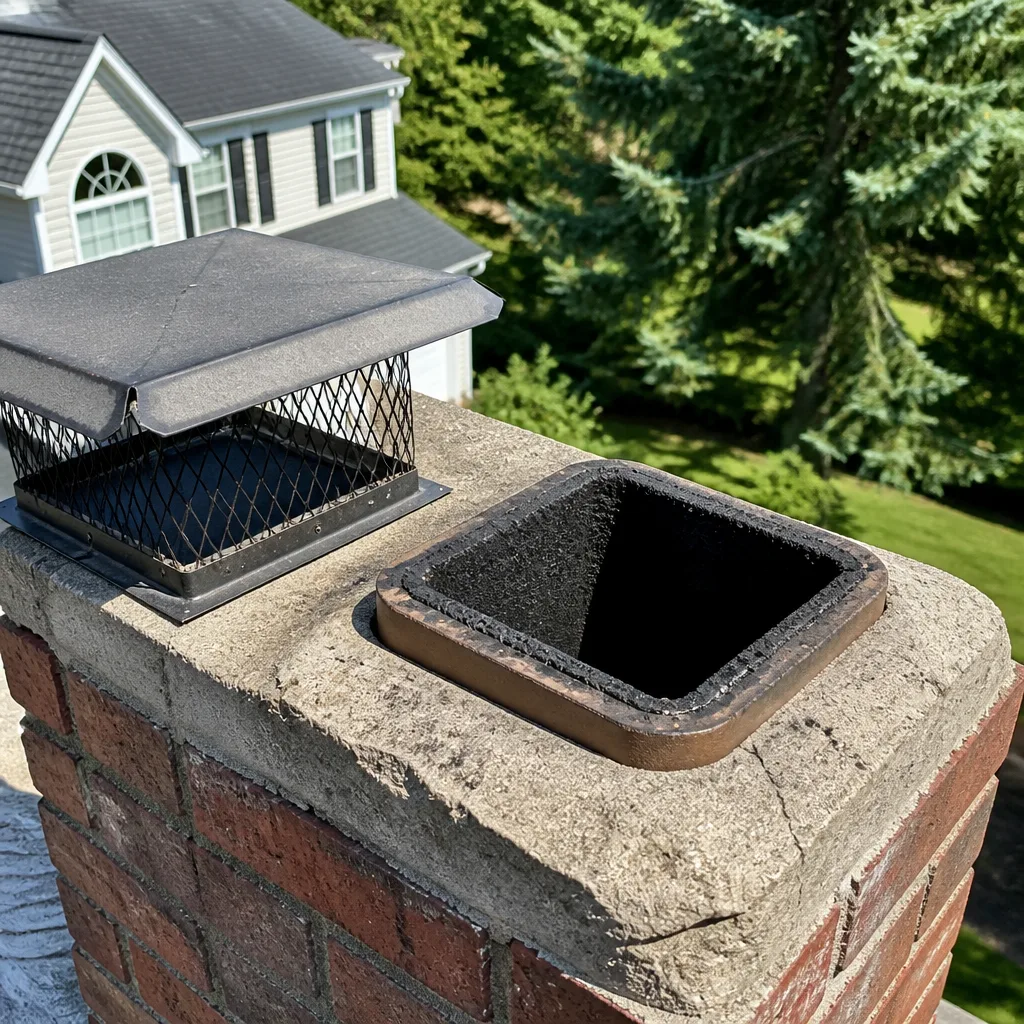 Sweep & inspection
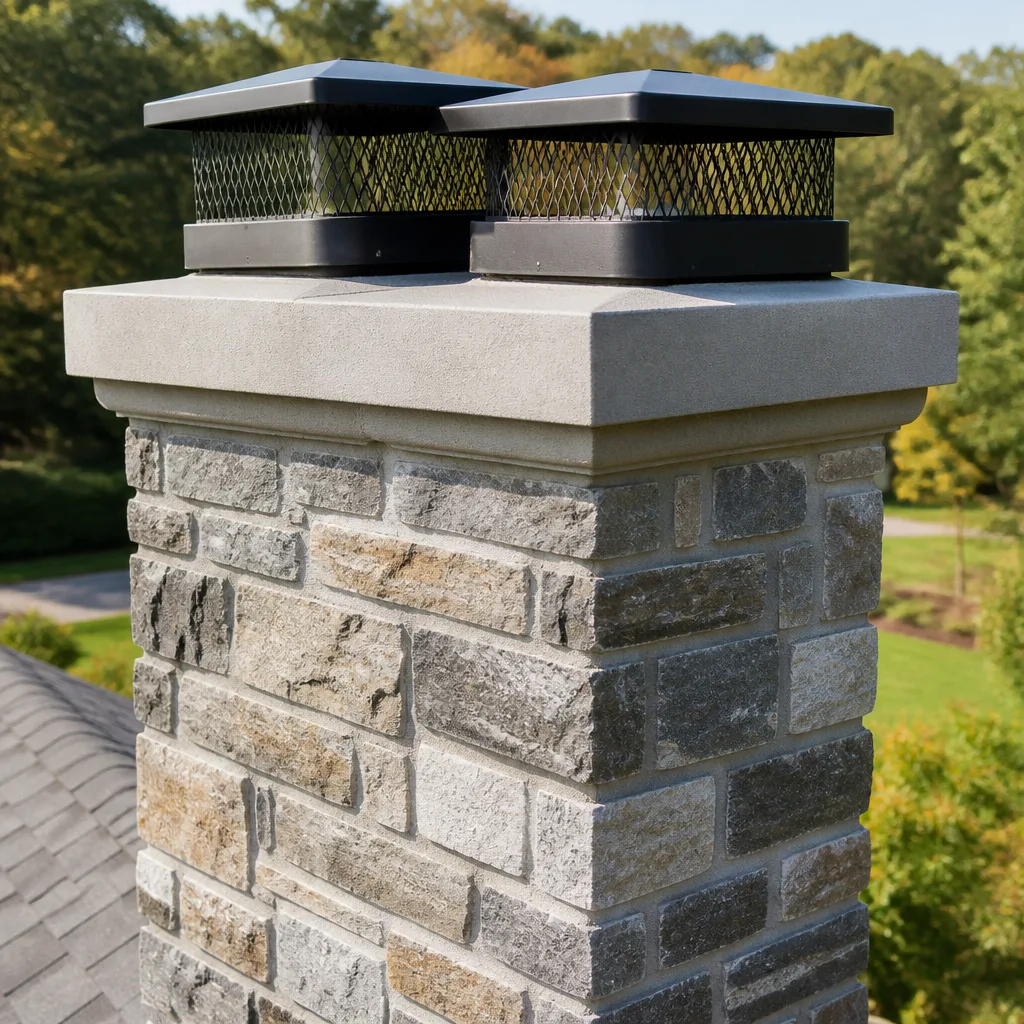 Caps & crowns
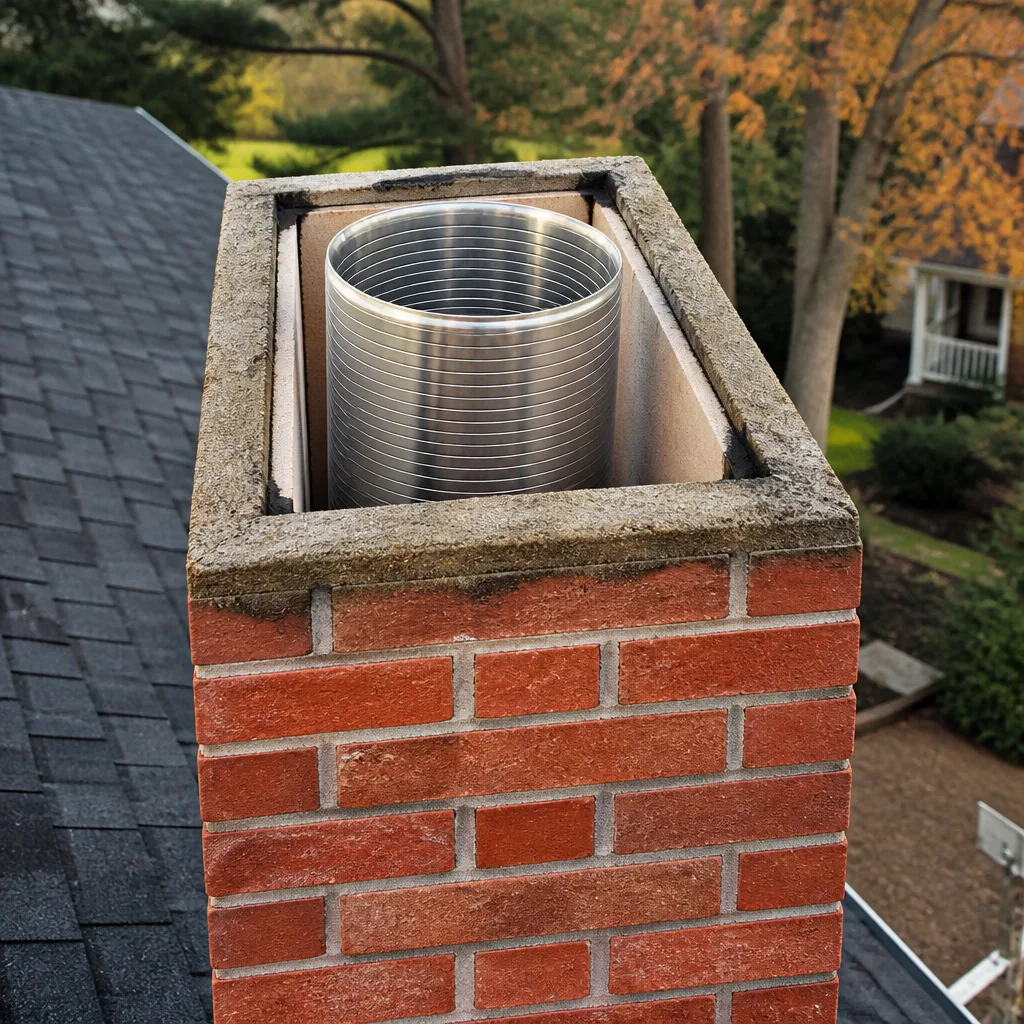 Flue relining
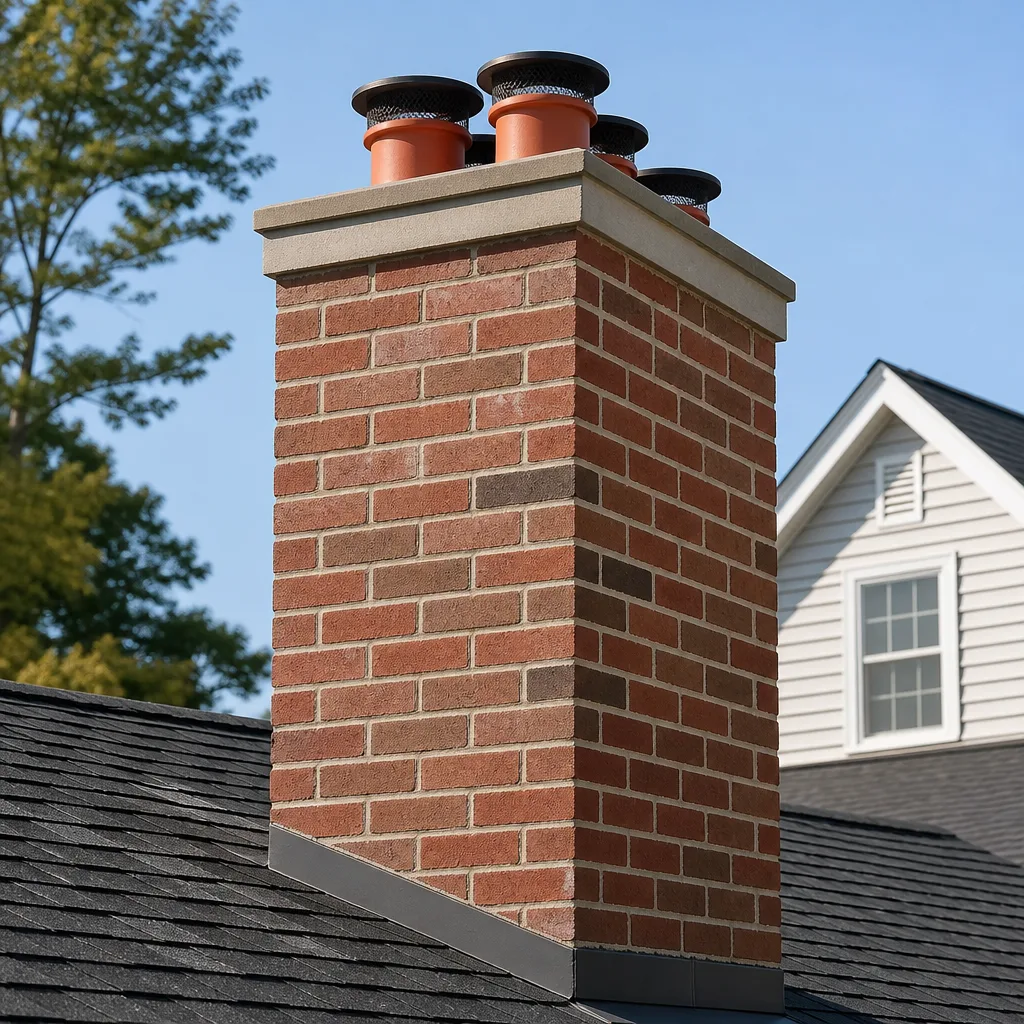 Masonry repair
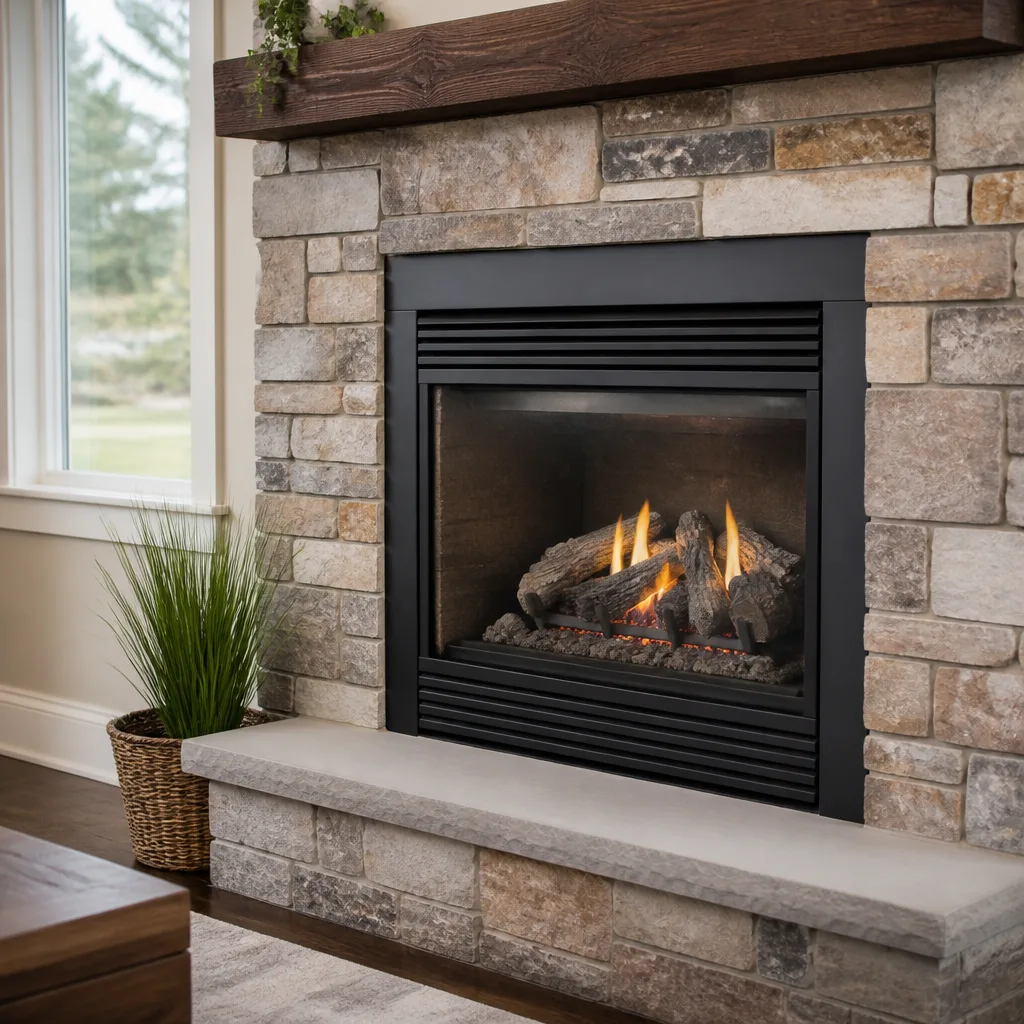 Gas fireplace service
Level 1 sweep and inspection to the NFPA 211 annual standard - flue, crown, cap, and flashing checked and photographed
Chimney sweep logs do not sweep chimneys. They loosen some creosote - which then falls where a brush and vacuum still have to collect it.
DIY vs Professional Chimney Cleaning: The San Carlos Homeowner’s Decision Guide
Every DIY chimney cleaning guide shows you how to push a brush through a flue. Not one of them shows you how to identify Stage 3 glazed creosote, which doesn’t brush out and actually worsens when disturbed without chemical treatment first. That’s the gap this guide fills. We’re going to walk through what a homeowner can genuinely accomplish with a store-bought kit, what that kit can’t tell you about the inside of your flue, and why San Carlos homeowners with older fireplaces and wood stoves face a different risk profile than someone in, say, a brand-new development in the East Bay. By the end, you’ll know exactly where the line is between maintenance you can handle and conditions that need a trained eye.
Styles & brands we work with
- Sweep & inspection
- Caps & crowns
- Flue relining
- Masonry repair
- Gas fireplace service
Quick Answer
DIY chimney cleaning is appropriate for basic surface maintenance on a frequently swept, low-creosote fireplace: removing loose ash, brushing light soot, and checking the damper. It is not appropriate for assessing liner condition, classifying creosote, or catching the early signs of flue failure that a professional cleaning and inspection in San Carlos will document in a written report. If your chimney has visible glazing, smoke spillback, or hasn’t been inspected in two years, hire a professional before burning again.
Table of Contents
- What DIY Chimney Cleaning Can Actually Accomplish
- What DIY Cannot Do: The Inspection Gap
- Creosote Classification: Why Stage Matters More Than You Think
- The Real Cost of DIY: Tools, Time, and What You Still Don’t Get
- San Carlos-Specific Factors: Climate, Construction, and Code
- Insurance and Documentation: The Paper Trail You’re Not Building
- When DIY Is Genuinely Appropriate (and When It Absolutely Isn’t)
- Common Mistakes to Avoid
- When to Call a Professional
- Frequently Asked Questions
- The Bottom Line
What DIY Chimney Cleaning Can Actually Accomplish
Let’s be honest about what a homeowner with a brush kit can do. The chimney sweep profession exists because the full job requires more than mechanical brushing, but that doesn’t mean there’s nothing you can safely handle yourself. There’s a real, if narrow, band of legitimate DIY work.
On a fireplace that was professionally cleaned within the last 12 months and has only been used with seasoned hardwoods, you can absolutely manage surface-level maintenance yourself. Here’s what that looks like in practice:
- Ash removal below the firebox: This is low-risk, low-skill work. Wait until the ash is completely cold, wear a dust mask, and use a metal ash bucket. Never vacuum ash with a standard shop vac unless it has a HEPA filter and you’ve confirmed the ash is cold. Ash can hold heat for days.
- Damper inspection and basic cleaning: You can open and close the damper, check that it seals reasonably well, and brush off loose debris on the visible surface. If the damper is warped, rusted through, or won’t operate smoothly, that’s a repair issue, not a cleaning issue.
- Exterior cap inspection from the ground: With binoculars, you can spot a missing or damaged chimney cap, visible animal nesting material, or obvious exterior masonry cracks. You can’t assess the flue interior from the ground, but you can flag that something needs a closer look.
- Glass door cleaning: Fireplace glass doors accumulate soot and creosote film. A ceramic-glass cleaner and razor scraper will restore visibility. This is purely cosmetic and entirely safe for a homeowner.
- Basic visual check for signs of animal activity: You can look for droppings, nesting material in the firebox, or the sound of scratching in the flue. If you suspect animals, stop and call a professional. Raccoons in San Carlos flues are common, and eviction requires proper protocols.
The key distinction here is depth. Everything listed above happens at the firebox level or the visible exterior. You’re not reaching into the flue with rods unless you’re doing a proper brush sweep, and that’s where the risk profile changes significantly.
If you’re only comfortable with these basic tasks, that’s not a failure of effort. It’s an honest acknowledgment of where homeowner maintenance ends and professional assessment begins. A Chimney Sweep in San Carlos is doing far more than what’s listed above during a standard visit.
What DIY Cannot Do: The Inspection Gap
The biggest misunderstanding in the DIY chimney cleaning conversation is that cleaning and inspecting are the same activity. They’re not. The brush removes deposits. The inspection interprets what those deposits reveal and what the flue structure underneath looks like. One is mechanical. The other is diagnostic.
Here’s what a homeowner with a rod-and-brush kit cannot reliably assess, regardless of how thorough the brushing is:
- Liner crack detection: Clay tile flue liners crack from thermal stress, water intrusion, and chimney fires. A mid-flue crack is invisible from the firebox and the roof. You need a camera inspection or, at minimum, a professional’s experience with mirror-and-light assessment. A cracked liner is a fire-containment failure waiting to happen: it exposes combustible framing to flue gases.
- Smoke chamber assessment: The smoke chamber sits between the damper and the flue. In many San Carlos homes built before 1980, smoke chambers were constructed with corbeled brick and shallow mortar joints, creating ledges where creosote accumulates in fire-prone thicknesses. Parging or resurfacing this area with a product like HeatShield is a specialty repair. A homeowner brushing the flue above never sees this space properly.
- Creosote classification: There are three stages of creosote: Stage 1 (flaky soot), Stage 2 (crunchy, tar-like flakes), and Stage 3 (glazed, hardened, shiny). Stage 3 doesn’t brush out. It requires chemical treatment followed by rotary head removal, or in severe cases, ceramic resurfacing. Misclassifying creosote is the single most common reason DIY cleanings fail to make a chimney safer.
- Flue clearance verification: Building code specifies minimum clearance from the flue interior to combustible framing. You can’t verify this without knowing what you’re looking for and having the right tools. Older San Carlos homes with unlined or under-lined chimneys are frequently in violation without the homeowner ever knowing.
- Draft and airflow testing: A chimney can look clean and still draft poorly due to flue height, negative pressure in a tightly sealed home, or partial blockages in the smoke chamber. Professionals test this with smoke or draft gauges. A homeowner can’t replicate this assessment with a brush.
This is why the inspection component matters so much. Chimney Sweep San Carlos’s approach reflects a simple principle: we find it on inspection, we fix it on the same call. When the person doing the inspection is also the person who can repair what they find, the clean-and-diagnose split that plagues DIY work disappears. For a deeper look at what inspection and repair work covers, see our Chimney Repair in San Carlos page.
Creosote Classification: Why Stage Matters More Than You Think
Creosote is not one substance. It’s a family of combustion byproducts that form as wood smoke cools and condenses on the interior of your flue. The stage determines everything: how you clean it, whether you can clean it at all, and how urgently you need to act.
The Three Stages of Creosote
Stage 1: Flaky Soot. This is what most people picture when they think of chimney cleaning. It’s dusty, gray or brown, and brushes off with standard chimney rods and a wire brush. If your chimney only has Stage 1 creosote, DIY brushing is genuinely feasible, assuming you have a properly sized brush and the patience to do it correctly. Stage 1 forms from hot, efficient fires burning seasoned wood.
Stage 2: Crunchy Tar Flakes. This creosote looks like burnt marshmallow or black popcorn. It’s harder than Stage 1 and often accumulates in the smoke chamber and on the flue walls where airflow slows. A standard brush may remove some of it, but it often leaves residue behind that becomes a new accumulation point. Stage 2 suggests your fires are burning cooler than they should be, possibly due to unseasoned wood or restricted airflow.
Stage 3: Glazed Creosote. This is where DIY cleaning stops being useful. Stage 3 creosote is a hard, shiny, tar-like glaze that resembles black glass. It forms when creosote repeatedly heats and cools without full combustion, often in chimneys that have gone years without cleaning or that have been used with green wood. A wire brush skates across it without removing anything. Worse, aggressive manual brushing can condition the surface, making it harder for chemical treatments to penetrate later. Stage 3 requires a professional protocol: chemical break-down agents, rotary chain heads, or in severe cases, ceramic resurfacing with a system like HeatShield to create a clean, fire-resistant inner surface.
Here’s the critical takeaway: a homeowner can’t tell the difference between Stage 2 and Stage 3 without training. They both look “black and sticky” to an untrained eye. And the treatment for each is completely different. Brushing Stage 3 is wasted effort at best. At worst, it gives a false sense of safety.
In San Carlos, where many homes have shorter flues and older masonry construction, Stage 3 buildup is disproportionately common in wood-burning fireplaces that have been used for decades without a professional evaluation.
The Real Cost of DIY: Tools, Time, and What You Still Don’t Get
Let’s talk about what DIY actually costs in dollars, because the “save money by doing it yourself” argument usually ignores what a proper setup requires.
A basic store-bought chimney cleaning kit, the kind with a single-size brush and a few fiberglass rods, runs $50 to $80. It’s designed for light Stage 1 soot on an accessible, straight flue. It will not reach angled flues, will not have the right brush size for most San Carlos fireplace flues, and will not include any safety equipment.
A proper DIY setup looks more like this:
- Rod-and-brush system with rotary head: $150-$300, depending on flue diameter and rod length. Rotary heads are what actually remove Stage 2 deposits. A fixed brush on rods cleans less effectively and requires significantly more elbow grease.
- HEPA-rated vacuum: $150-$400. You cannot use a standard household vacuum for chimney soot. The fine particulate will destroy the motor and blow dangerous particles back into your living space. A true HEPA vacuum is non-negotiable.
- Drop cloths, tarps, and sealing plastic: $30-$60. Proper containment keeps soot out of your furniture, carpet, and HVAC returns.
- Ladder and roof safety gear: $100-$200 if you don’t already own them. Many San Carlos flues are only accessible from the roof, and working on a sloped roof with a brush in hand is a fall risk that should not be undertaken casually.
- Safety mask with particulate filtration: $25-$50. A basic dust mask is insufficient. You need a respirator rated for fine particulates if you’re working in a chimney.
Total: $455 to $1,010, not counting the value of your time. A full DIY top-down cleaning on a two-story San Carlos home takes four to six hours for a first-timer, plus cleanup. And at the end of that, you still don’t have:
- A written condition report for your records
- A professional assessment of liner integrity
- Creosote classification by someone trained to recognize the stages
- Documentation that your chimney was cleaned for insurance purposes
Professional chimney cleaning in San Carlos typically runs $150 to $350 depending on flue size, creosote stage, and accessibility. For that, you get the cleaning, the inspection, the written report, and the peace of knowing the person who did the work can identify and repair problems they find. The DIY route saves money only if you already own all the equipment and the chimney is in genuinely clean condition. That’s a narrow window.
San Carlos-Specific Factors: Climate, Construction, and Code
San Carlos isn’t a uniform housing market. The city spans from flatland ranchers near El Camino Real up into the hillside neighborhoods around Crestview, Devonshire Canyon, and the areas near Eaton Park. Those different elevations and microclimates create different chimney conditions.
Here’s what we see in San Carlos specifically:
- Marine layer moisture: Homes in the flats and lower hills get consistent fog intrusion from the Pacific. This moisture wicks into masonry and accelerates the freeze-thaw cycle that cracks clay tile liners. A liner that was fine five years ago may have hairline cracks today, and those cracks are invisible to a homeowner with a brush.
- Older construction stock: A significant portion of San Carlos housing was built between 1940 and 1975. These chimneys were constructed with clay tile liners, many of which are now at or beyond their expected service life. Unlined chimneys were also common in pre-1960 construction. If your San Carlos home still has an unlined flue, it needs a stainless liner system like DuraFlex before it’s safe to burn, regardless of how clean it looks inside.
- Wood stove retrofits: Many San Carlos homeowners in the hills have retrofitted wood stoves into existing masonry fireplaces. These retrofits create complex flue geometries and frequently used undersized or improperly connected flue liners. The resulting creosote accumulation in the transition zones is a fire risk most homeowners never see.
- Microclimate variation: The same chimney inspection in the flats versus the hills can produce very different findings. Hillside homes with more wind exposure dry faster but also experience more thermal cycling on exterior chimneys. Flatland homes with attached chimneys and fog exposure have higher moisture retention.
Chimney Sweep San Carlos works with professional product lines that address these specific San Carlos conditions: DuraFlex stainless flexible liners for relining older or damaged chimneys, and HeatShield ceramic resurfacing for flues that are deteriorating but haven’t failed structurally yet. These are specification-grade materials, not what’s cheapest at the local supply house, and they’re chosen because San Carlos’s older housing stock frequently needs exactly this level of intervention.
Your flue is a system, not just a tube. The liner, the mortar joints, the cap, the flashing, and the smoke chamber all work together. A brush addresses one layer of that system. It doesn’t address the other four.
Insurance and Documentation: The Paper Trail You’re Not Building
Here’s a question that almost never appears in DIY chimney cleaning guides: what happens when you file a smoke damage or fire claim, and the insurance adjuster asks when your chimney was last professionally cleaned?
If your answer is “I did it myself with a kit from the hardware store,” you have a problem. Not because DIY cleaning automatically voids coverage, but because you have no documentation to demonstrate that the chimney was properly maintained. Insurance companies in California increasingly scrutinize chimney maintenance records in fire claims, especially in wildfire-adjacent counties like San Mateo County.
A professional cleaning produces a written report. That report documents:
- The date of service
- The condition of the flue at the time of cleaning
- The creosote stage observed and removed
- Any defects flagged for repair
- Recommendations for follow-up work
That report is a homeowner asset. It’s evidence of due diligence. It’s documentation you can provide to an insurance adjuster, a home inspector, or a future buyer during a disclosure process. In San Carlos’s competitive real estate market, a stack of chimney maintenance records going back several years signals a well-maintained home. A blank space where those records should be doesn’t.
The documentation factor cuts the other way too. If a homeowner performs DIY cleaning and misses a creosote accumulation that later ignites, the lack of professional inspection becomes a liability question. You’re not just out the cost of the damage. You’re potentially defending your claim.
This is one of the strongest arguments for professional cleaning that has nothing to do with the brush at all. It’s about the paper trail. The Chimney Sweep San Carlos home page outlines what a standard service includes, including the written assessment.
When DIY Is Genuinely Appropriate (and When It Absolutely Isn’t)
We’ve been hard on DIY throughout this guide, because the risks are real and the downsides are poorly understood. But let’s be precise about where the boundary sits, because blanket “never do it yourself” advice isn’t honest either.
When DIY Maintenance Is Reasonable
- Gas fireplace log sets with surface dust: Gas fireplaces produce no creosote. If you have a gas log set in a factory-built fireplace, basic cleaning of the ceramic logs and glass with manufacturer-approved products is a homeowner-appropriate task. The venting is typically direct-vent pipe that you should not disassemble, but surface cleaning is fine.
- Post-professional-cleaning maintenance burns: If your chimney was professionally cleaned within the last year and you’re burning only seasoned hardwood with hot, efficient fires, an annual DIY visual check and ash removal is reasonable. The professional report from last year told you what condition the flue was in, and you’re not seeing smoke spillback, so the risk profile is low.
- Exterior cap and spark arrestor inspection: As noted earlier, a ground-level or ladder-level (if safe and within your comfort level) visual inspection of the cap and spark arrestor mesh is appropriate for catching debris buildup and animal issues early.
When DIY Is Not Appropriate
- Any system with visible creosote glaze: If you shine a flashlight up the flue and see shiny, tar-like deposits, stop. That’s Stage 3, and brushing it will accomplish nothing useful. It needs professional chemical treatment and rotary removal.
- After a chimney fire: If you’ve had a chimney fire, even a small one, the flue has been stressed to temperatures it was never designed to sustain. The damage may be invisible. A professional inspection with appropriate equipment is mandatory before the next fire.
- When smoke spills back into the room: Smoke spillback is a symptom of a draft problem, not a cleaning problem. It could be a blocked flue, a negative pressure issue in your home, an undersized flue, or a structural failure. Brushing won’t necessarily fix it, and testing for the cause requires diagnostic equipment.
- Homes with unlined or original clay-tile chimneys: If your San Carlos home was built before 1970 and you don’t know the flue’s condition, do not burn until it’s been professionally inspected. A cracked or absent liner is a fire-containment failure, not a maintenance deficit.
- Any chimney connected to a furnace or water heater: This is a completely different animal than a fireplace flue. Appliance flues carry carbon monoxide and require specific testing to verify proper venting. This is never a DIY task.
The line, in one sentence: DIY is for maintaining a known-clean system between professional inspections. It is not for diagnosing an unknown one.
Common Mistakes to Avoid
- Brushing Stage 3 creosote without chemical treatment: A wire brush on glazed creosote polishes the surface and makes later professional removal harder. If the flue interior looks shiny and black, don’t brush. Call a professional who can apply the correct chemical breakdown agents.
- Using a standard shop vac for soot: Standard vacuums lack the filtration to handle fine chimney soot. The exhaust blows those particles back into your living space, and the motor burns out. If you’re serious about DIY, buy a proper HEPA unit or don’t start.
- Cleaning from the bottom only: Bottom-up cleaning misses the upper flue and the cap area, which is where animal nesting, debris accumulation, and cap deterioration occur. A thorough cleaning is top-down, and top-down requires roof access you should not attempt without proper ladder safety.
- Forgetting the smoke chamber: Most DIY cleanings address the flue above the damper but ignore the smoke chamber entirely. In older San Carlos chimneys, the smoke chamber is frequently the most creosote-laden and least accessible part of the system. Ignoring it leaves a fire load in place.
- Burning unseasoned wood after cleaning: A freshly cleaned chimney will re-accumulate creosote rapidly if you burn green or wet wood. San Carlos has high humidity in the winter, and wood stored uncovered will absorb moisture. Season your firewood for at least 6-12 months under cover.
- Assuming a clean chimney is a sound chimney: A chimney can be spotless and still be unsafe due to a cracked liner, failing mortar joints, or an improperly sized flue. Cleaning is not inspection. The two are separate functions, and only one of them requires a trained eye.
- Skipping the dryer vent while you’re at it: Lint accumulation in dryer vents is one of the leading residential fire causes in California. If you’re thinking about home fire safety, the dryer vent is part of the same conversation. Dryer Vent Cleaning in San Carlos is part of a complete approach to the fire safety systems in your home. Dryer vents are chimneys too.
When to Call a Professional
Call a professional if you see any of these conditions: shiny glazed creosote in the flue, smoke spilling into the room during normal operation, evidence of animal activity, water staining on the ceiling near the chimney, or a home built before 1970 that hasn’t had the flue inspected in the last two years. Also call if you’ve experienced a chimney fire, even a small one, or if your home has an attached furnace or water heater venting through the same chimney. These are not maintenance issues. They’re safety assessments that require training, equipment, and documentation. Chimney Sweep San Carlos offers free estimates in San Carlos for cleaning, inspection, and repair work. Call (833) 620-0350 to schedule.
Frequently Asked Questions
Professional chimney cleaning in San Carlos typically costs between $150 and $350 for a standard open fireplace, depending on flue accessibility, creosote level, and whether the chimney has been recently maintained. Homes with difficult roof access, multiple flues, or Stage 3 creosote requiring chemical treatment will cost more. Call (833) 620-0350 for an exact quote for your specific chimney.
The National Fire Protection Association recommends cleaning when creosote reaches 1/8 inch thickness, which for most wood-burning fireplaces translates to annual cleaning with regular use. Homes that burn only occasional fires in a gas fireplace may go longer, but wood-burning systems should be professionally cleaned at least once per burning season.
You can remove light, Stage 1 soot with a properly sized brush and rod system, provided your chimney was professionally cleaned recently and you’re working with the right equipment, including a HEPA vacuum and proper safety gear. You cannot accurately assess creosote stage, liner integrity, or smoke chamber condition with hardware store tools. The brush removes deposits; it doesn’t diagnose potential failures.
Creosote accumulates in stages. After two to three years of regular wood burning without cleaning, Stage 2 and Stage 3 creosote begin to form, especially in the smoke chamber and on cooler flue surfaces. Stage 3 glazed creosote dramatically increases the risk of chimney fire, and the longer it sits, the more difficult and expensive it becomes to remove. A chimney that hasn’t been professionally evaluated in several years may need professional assessment before cleaning can even be safely performed.
If your San Carlos home predates modern building codes and has an unlined or deteriorating clay-tile flue, yes. An unlined chimney allows heat and combustion gases to reach combustible framing directly. A cracked clay-tile liner does the same while also allowing creosote to accumulate in the gaps where fire can start. Relining with a DuraFlex stainless steel system is the standard repair for this condition, and it’s a specification-grade product that restores the flue to current safety standards.
Yes, in the sense that both address the same risk: accumulation of combustible material in a venting system that’s supposed to exhaust heat and gases safely. Lint fires are one of the leading causes of residential structure fires. Your fireplace flue and your dryer vent are both exhaust systems, and both require professional attention. Our Dryer Vent Cleaning in San Carlos service treats this as part of the same whole-home fire safety picture.
The Bottom Line
DIY chimney cleaning works only within a narrow window: a known-clean chimney, light creosote, proper tools, and realistic expectations about what a brush can and cannot reveal. Outside that window, the brush creates a false sense of security. The value of professional cleaning in San Carlos isn’t the brushing itself. It’s the trained eye that classifies what the brush encounters, the written report that documents your chimney’s condition, and the ability to repair defects on the same visit rather than adding a second contractor to the job. The Chimney Sweep in San Carlos service exists for the same reason any specialty trade exists: the work that looks simple from the outside usually isn’t, and the cost of being wrong is measured in structural damage, not just dollars. Call (833) 620-0350 for a free estimate and get the written report your chimney, your insurance company, and your future homebuyer will thank you for.
Written by the team at Chimney Sweep San Carlos, serving San Carlos since 2011.
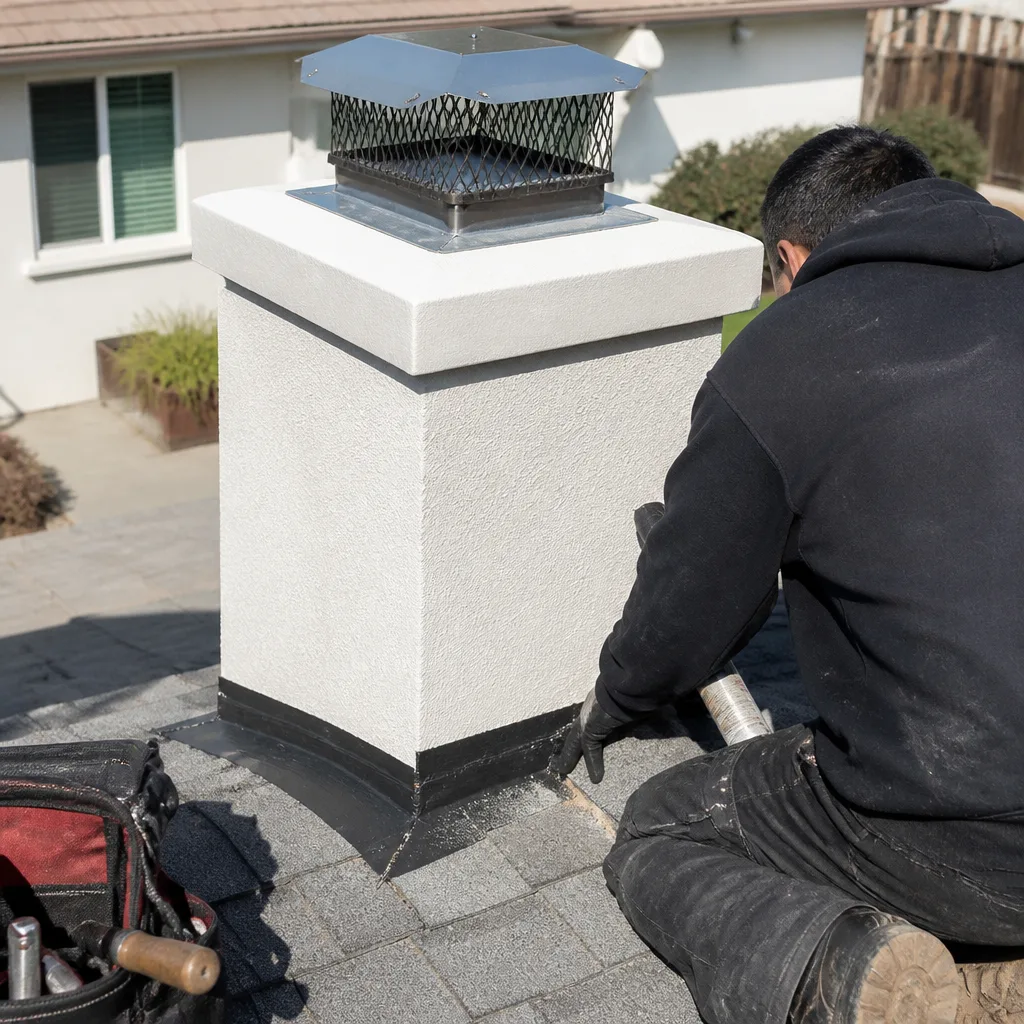
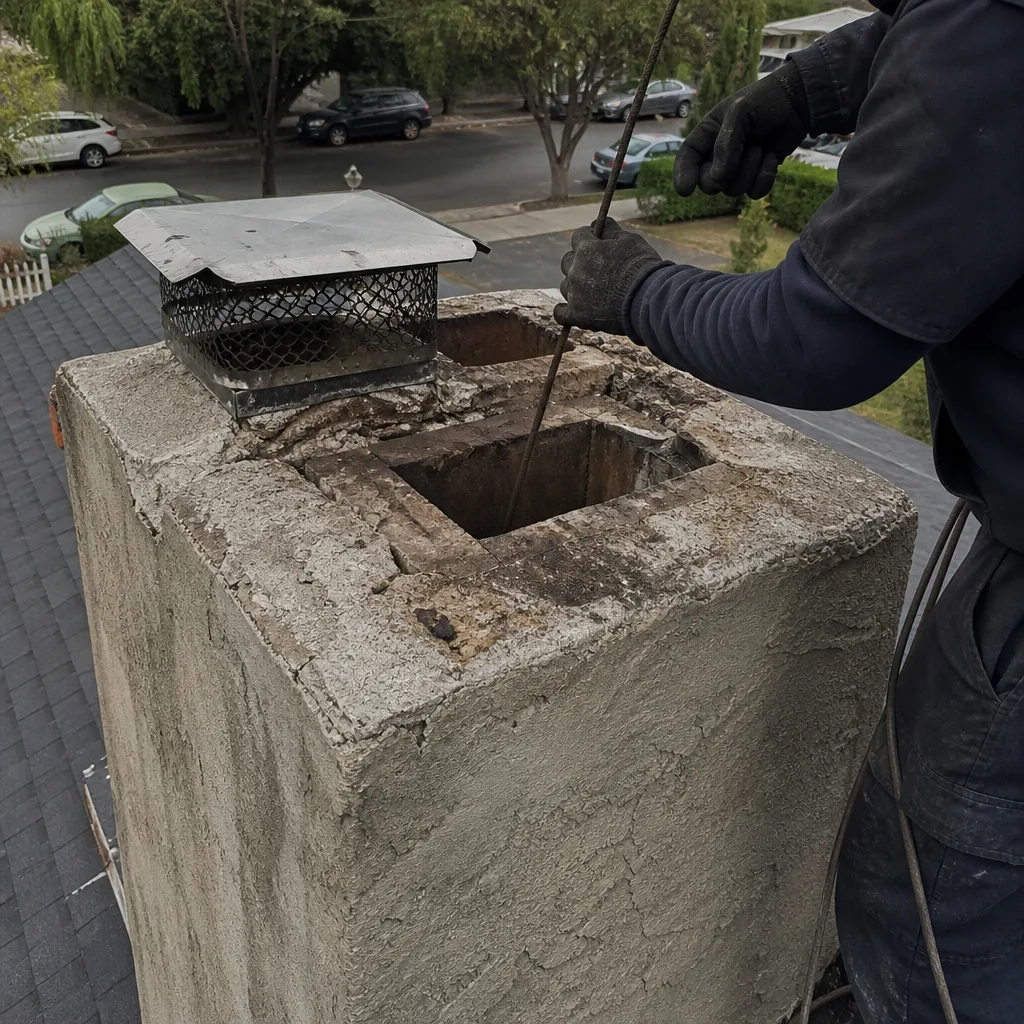
See the difference
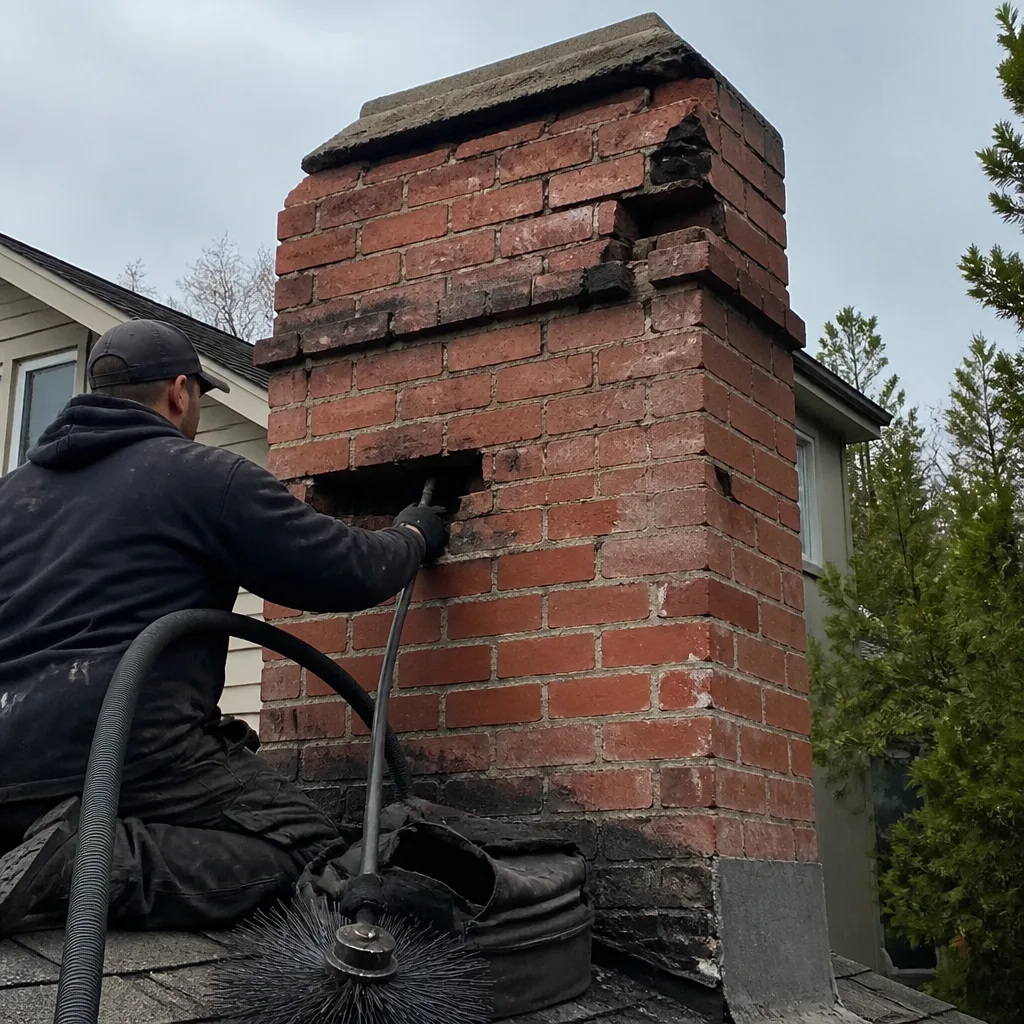 Before
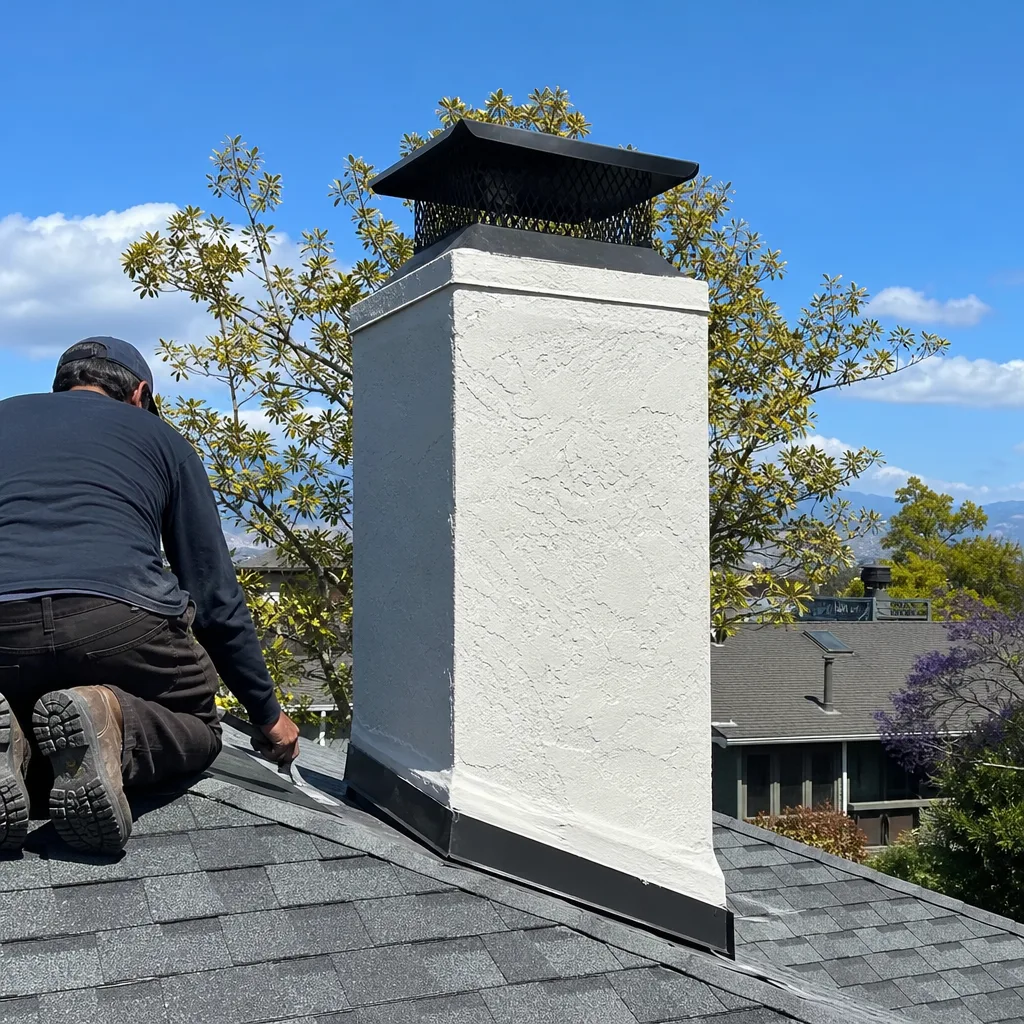 After
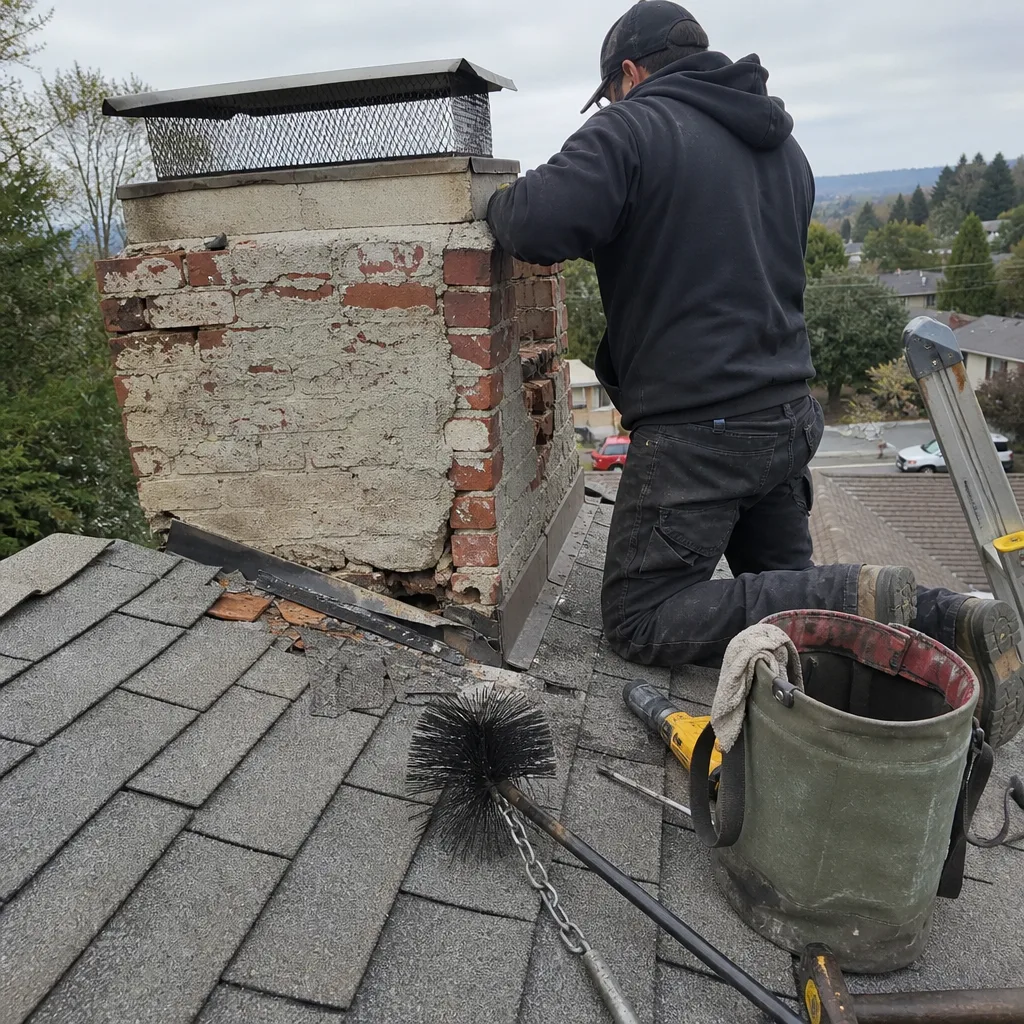 Before
 After
 Before
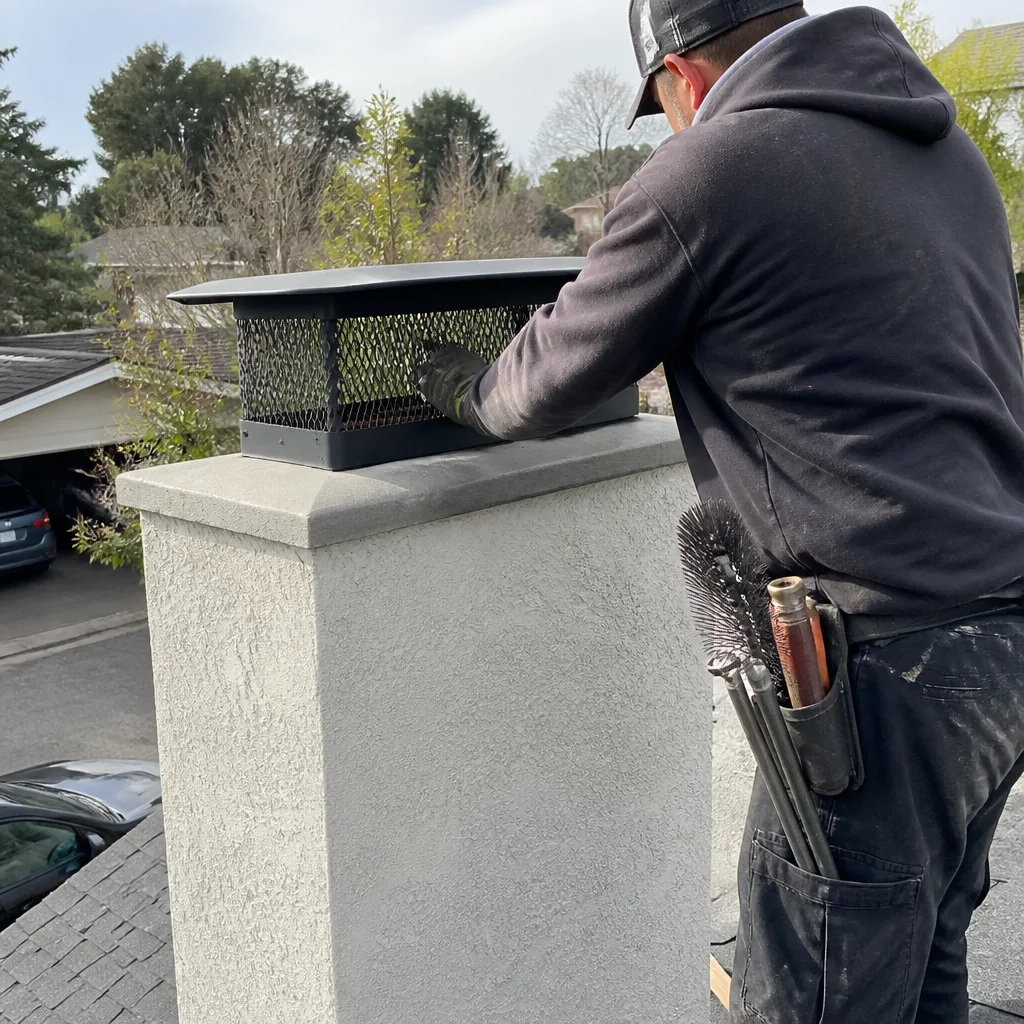 After