
Last updated November 2, 2026
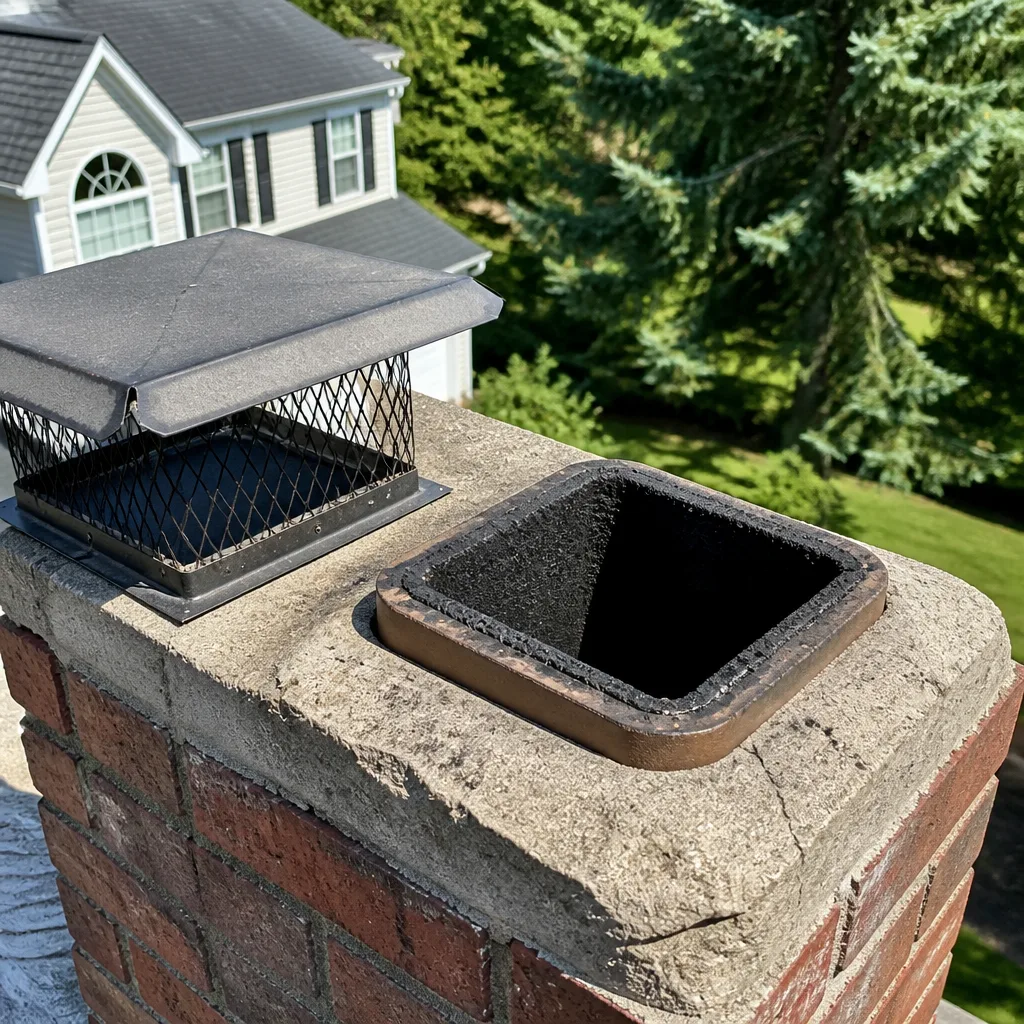 Sweep & inspection
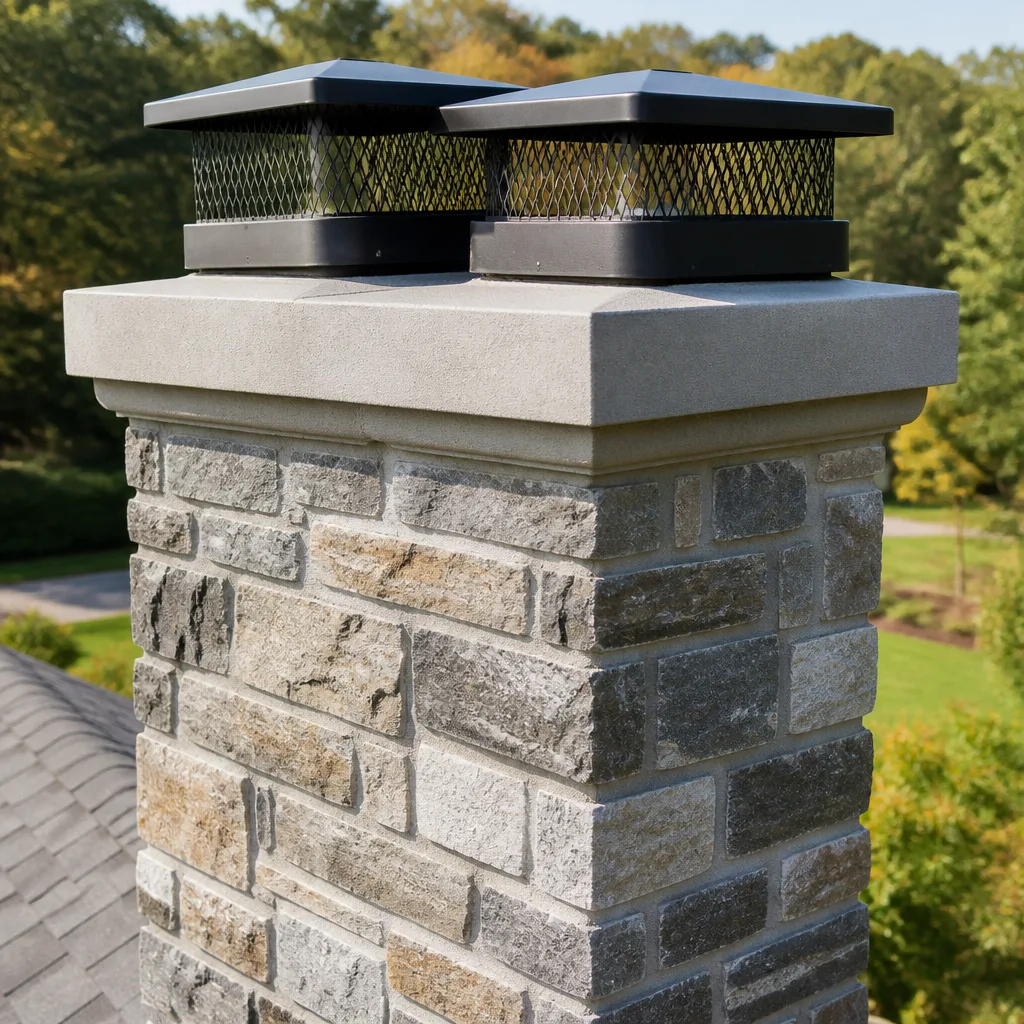 Caps & crowns
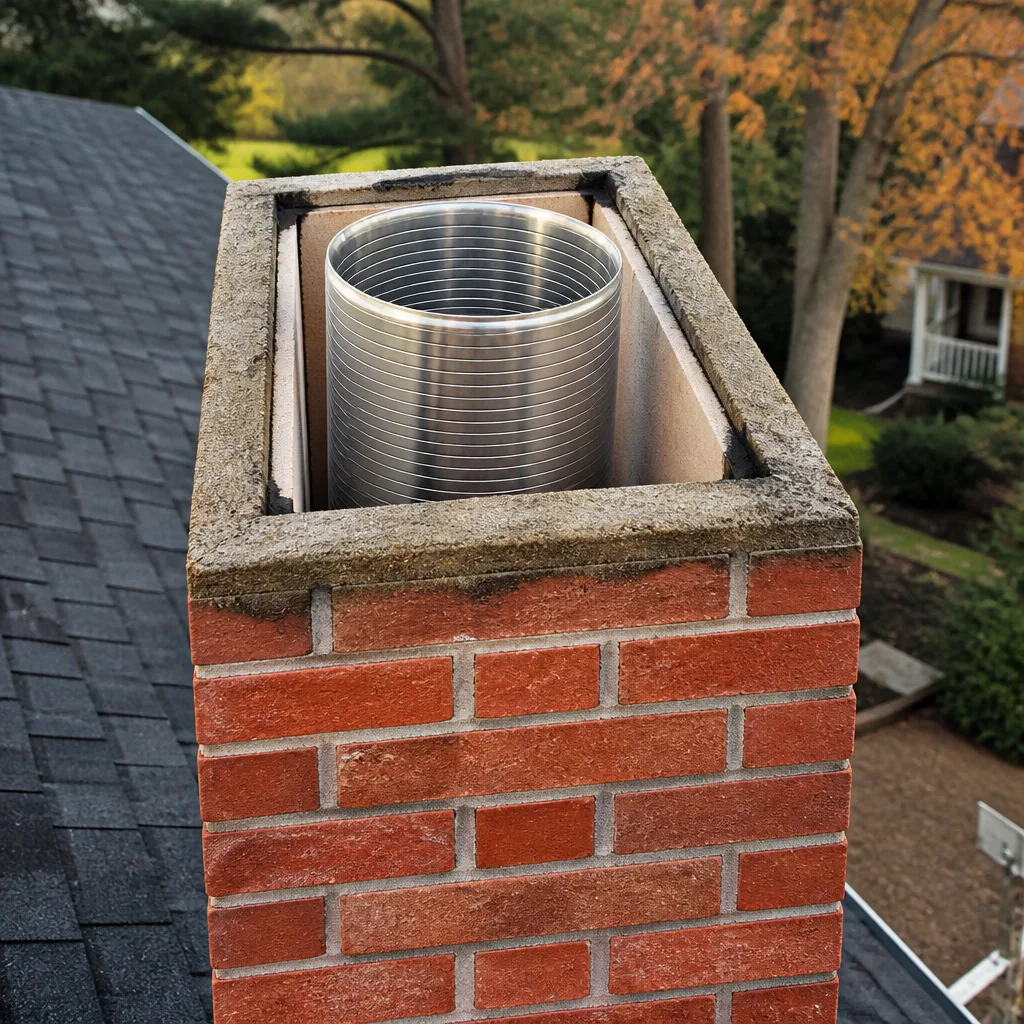 Flue relining
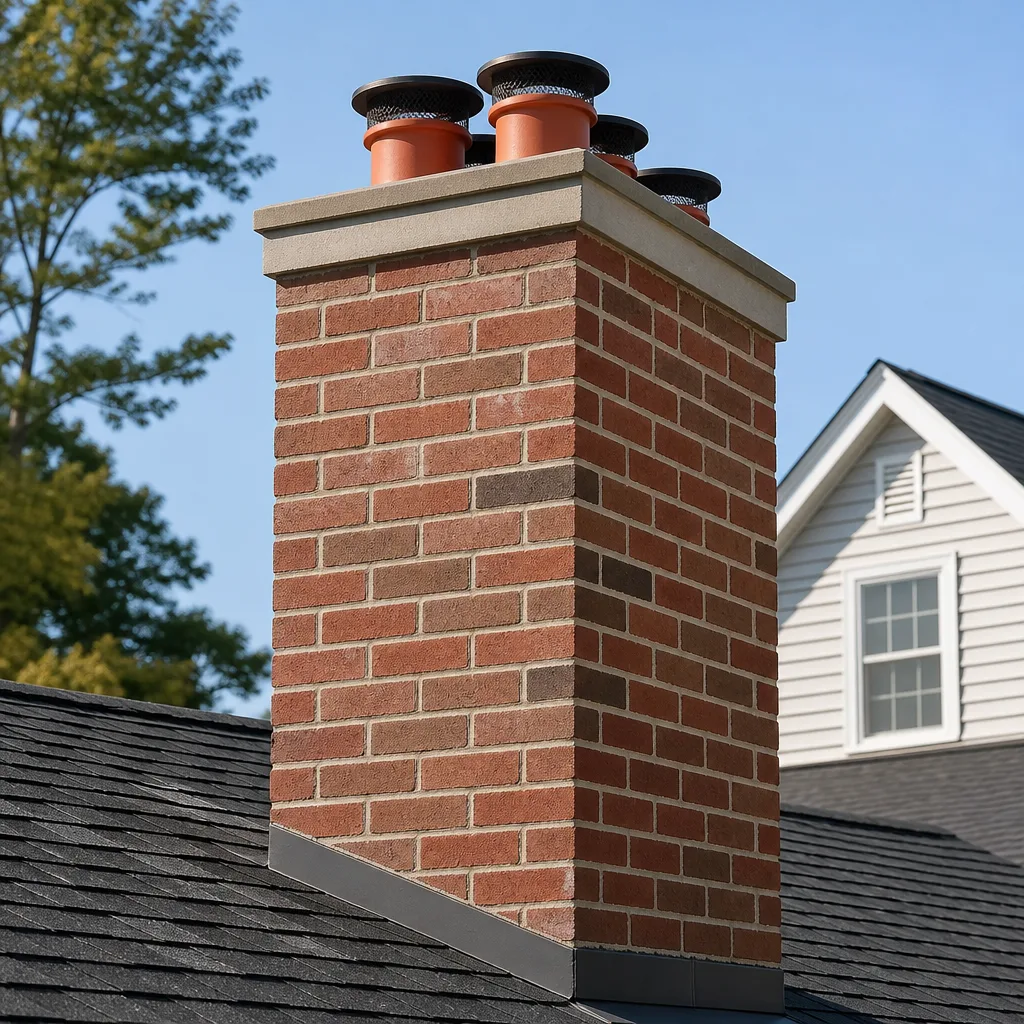 Masonry repair
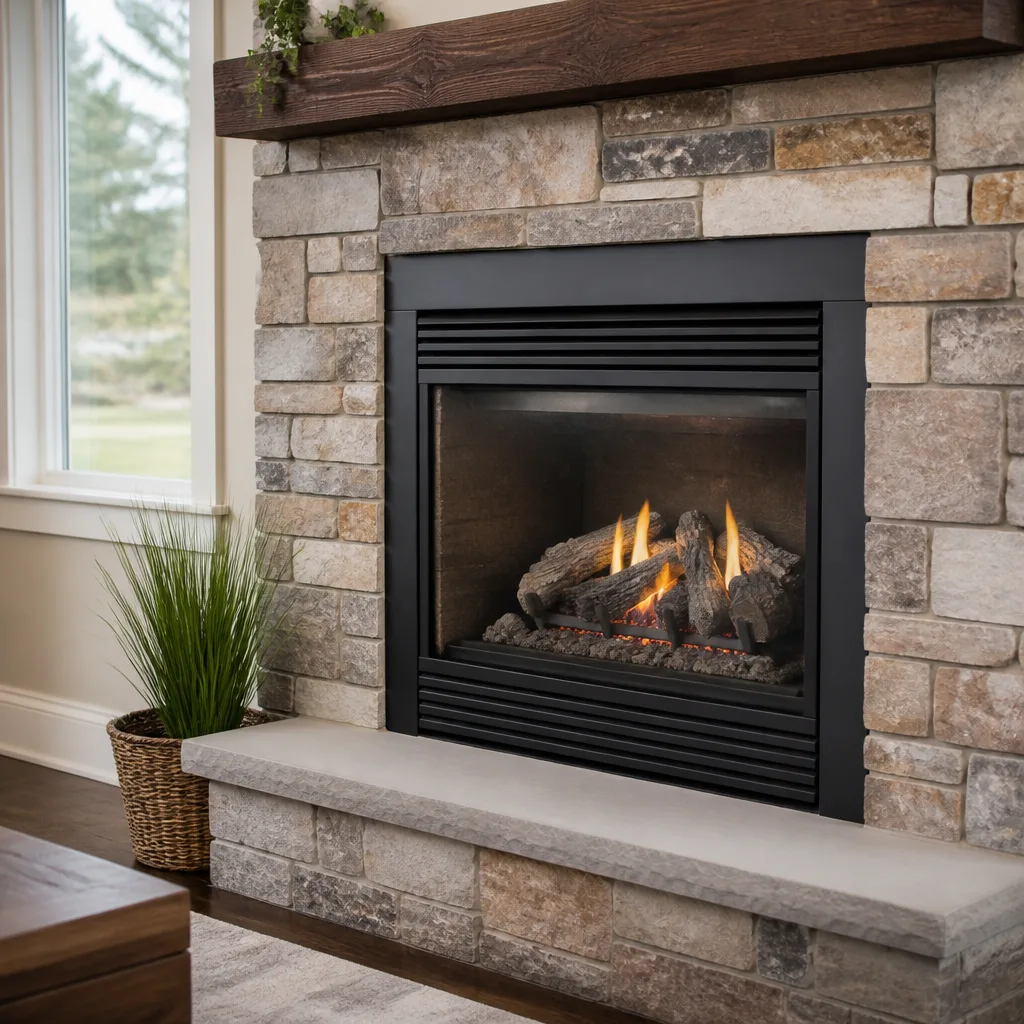 Gas fireplace service
Level 1 sweep and inspection to the NFPA 211 annual standard - flue, crown, cap, and flashing checked and photographed
Chimney sweep logs do not sweep chimneys. They loosen some creosote - which then falls where a brush and vacuum still have to collect it.
Chimney Cleaning Warning Signs: A San Carlos Homeowner’s Reference Guide
Most chimney fires in San Carlos never make the evening news. They smolder, self-extinguish, and leave behind damage that quietly compounds until a relatively minor repair becomes a full reline. Here’s the pattern we see after more than a decade of inspections on the Peninsula: homeowners spot a warning sign months before anything goes wrong, but they don’t know what it means, so they wait. This guide maps the six most common warning signs to what’s actually happening inside your flue, tells you which ones demand you stop using the fireplace today, and explains which can be safely scheduled for a routine visit. For more guides & resources, see our blog. By the end, you’ll know more about your chimney’s early-warning language than most sweep companies will teach you in a ten-minute visit.
Quick Answer
A fireplace that smokes into the room, smells like a campfire in summer, or shows white mineral staining on exterior brick is telling you something specific about your liner, damper, or cap. In San Carlos, the most serious warning sign is creosote odor in warm weather: it signals Stage 3 glazed deposits that burn at over 2,000°F and are the leading cause of chimney fires. If you notice smoke spillage, strong odor, or visible exterior cracking, stop using the fireplace and schedule an inspection before the next burn. Our Chimney Sweep Troubleshooting: Common Problems and How to Fix Them guide covers these issues in more detail.
Styles & brands we work with
- Sweep & inspection
- Caps & crowns
- Flue relining
- Masonry repair
- Gas fireplace service
Table of Contents
- Summer Creosote Odor: The Sign Most Homeowners Misread
- Smoke Spillage: Why Cold-Day Backdrafting Is a Mechanical Failure
- White Staining on Exterior Brick: Reading Efflorescence
- Slow Ignition and Weak Draft: The Liner’s Silent Decline
- Spalling Brick and Cracked Crowns: Structural vs. Cosmetic
- Damaged or Missing Chimney Caps: The Small Part with Big Consequences
- When to Stop Using Your Fireplace Immediately
- Common Mistakes to Avoid
- When to Call a Professional
Summer Creosote Odor: The Sign Most Homeowners Misread
Most San Carlos homeowners assume chimney odor is a winter problem. The logic seems sound: you burn wood, you smell smoke. But the smell that should genuinely concern you arrives in August, when the fireplace has been cold for months and the house suddenly smells like a damp campfire every afternoon. That’s not leftover smoke. That’s creosote off-gassing in heat.
Here’s what’s happening. Creosote forms in three stages. Stage 1 is a flaky soot that brushes off easily. Stage 2 is a hardened, tar-like glaze that requires mechanical removal. Stage 3 is a dense, shiny coating that has essentially baked onto the flue walls. Stage 3 creosote is highly combustible, and it’s the deposit most implicated in chimney fires. It also off-gasses when outdoor temperatures rise, which is why the smell appears in summer rather than winter. The heat of a San Carlos afternoon warms the flue enough to release volatile compounds from glazed creosote, and those compounds drift down into the house through the open damper or negative air pressure.
The reason summer odor is a higher-alarm signal than winter smoke is simple: it tells you the deposit has reached the glazed stage. Brush-only sweeping rarely removes Stage 3 creosote. It requires chemical treatment, rotary chain heads, or in severe cases, resurfacing. We’ve pulled glazed creosote from chimneys in the San Carlos hills that looked like obsidian inside the flue. The homeowner noticed the smell in July and waited until November. By then, the chimney fire had already happened during a late-October burn. If you smell creosote in summer, your chimney is telling you it is not safe to operate. The answer isn’t to light a fire and see what happens.
One more detail: dampers left open in summer worsen the problem. A closed damper slows the odor, but it doesn’t eliminate the hazard. The creosote is still there, still combustible, and still degrading the flue liner behind it. For San Carlos homeowners in older hillside homes with original clay tile liners, this is particularly urgent: clay liners crack under the thermal shock of a creosote fire, and the cracks then become pathways for heat to reach wall framing.
Smoke Spillage: Why Cold-Day Backdrafting Is a Mechanical Failure
A fireplace that smokes into the room on cold days isn’t a draft problem. It’s usually a sealed or deteriorated damper combined with a depressurized house, and it’s a diagnosis that brush-and-go sweeps routinely miss because they don’t pressure-test the building envelope.
Here’s the actual sequence. When outdoor temperatures drop, the air inside your San Carlos home becomes warmer and less dense than the air outside. That warm air rises and escapes through every available opening: attic hatches, recessed lights, bathroom fans, and especially any leak in the upper floor ceiling. As warm air leaves, the house pulls replacement air from wherever it can. If the damper is partially open or the fireplace glass doors are not gasketed tightly, the chimney becomes the path of least resistance for makeup air. Cold air descends the flue, hits the firebox, and forces smoke horizontally into the room. This is backdrafting.
The smoke you see is the symptom. The causes are usually multiple. A damper that no longer seals fully because the metal warped over years of heating cycles. A house that’s been tightened with new windows and insulation but never had its combustion air addressed. A flue that’s partially blocked by creosote or a bird nest, reducing the draft velocity below what’s needed to overcome the house’s negative pressure.
We find it on inspection, we fix it on the same call. That’s the difference between a cleaning visit and a diagnostic visit. The cleaning clears the flue. The diagnosis identifies why smoke spilled in the first place. In several San Carlos neighborhoods, homes built in the 1950s and 1960s have original masonry fireplaces without combustion air intakes. When those homes get energy retrofits, the backdrafting begins. No amount of chimney sweeping fixes a depressurized house. The fix is a gasketed door, a damper repair or replacement, and sometimes a dedicated combustion air source. If you don’t address all three, the smoke returns next winter.
This is also where the “your flue is a system, not just a tube” point matters most. The flue, the damper, the cap, and the house itself all interact. Smoke spillage tells you the system is out of balance. Treat it as a diagnostic prompt, not a nuisance to tolerate.
White Staining on Exterior Brick: Reading Efflorescence
That chalky white residue climbing the outside of your chimney isn’t paint failure and it isn’t normal weathering. It’s efflorescence, and it’s one of the more useful diagnostic tools a homeowner has for understanding what’s happening inside the masonry.
Efflorescence forms when water moves through brick or mortar, dissolves mineral salts present in the masonry, and carries those salts to the surface. When the water evaporates, the salt remains as a white crystalline deposit. The pattern tells you a lot. A uniform, faint bloom across the entire chimney usually indicates general water absorption through the brick face. That’s the less urgent pattern. A concentrated, heavy deposit near the top of the chimney, or in vertical tracks running down from the crown, signals a specific water entry point: a cracked crown, failed mortar joints in the top courses, or a missing cap.
In San Carlos, the winter rains make efflorescence a seasonal signal. You’ll notice it most in late winter and early spring, after the rainy months have saturated the masonry. If the staining disappears in summer and returns each rainy season, the moisture path is active and worsening. If it persists year-round, the masonry is holding enough water that you should be concerned about freeze-thaw damage, even in our relatively mild climate. We don’t get Midwest freezes, but we get enough cold snaps in the hills that water-saturated brick can spall.
There’s a second reason to pay attention to efflorescence on the chimney exterior: the same water that moves through the brick can reach the flue liner. Moisture weakens clay tile liners, accelerates corrosion in metal liners, and degrades mortar joints between flue tiles. Exterior staining is often the first visible sign of a moisture problem that’s already affecting the interior. If you see it, schedule an inspection that includes a camera check of the flue, not just a visual look at the exterior.
Professional-grade materials matter here. A proper crown repair uses a flexible sealant designed for chimney service, not a hardware-store latex caulk. The cap should be a purpose-built unit, like the Gelco caps we install, sized to the flue with the right mesh spacing for spark and animal exclusion. See our Choosing the Right Chimney Cleaning Brand: A Buyer’s Guide for San Carlos for more on selecting quality components. Generic substitutes fail within a few seasons, and the efflorescence returns.
Slow Ignition and Weak Draft: The Liner’s Silent Decline
A fire that’s hard to light, that smolders instead of catching, that needs constant attention to stay burning: these are not quirks of your wood. They’re draft failures, and they often trace back to flue liner condition.
Your flue liner does three jobs. It contains the heat of combustion so it doesn’t transfer to wall framing. It protects the masonry from the corrosive byproducts of burning wood. And it maintains draft by preserving a smooth, correctly-sized passageway for exhaust gases. When the liner is cracked, flaked, or coated with deposits, the flue’s effective diameter changes. The draft velocity drops. The fire gets the oxygen it needs but can’t pull enough volume through a constricted or rough-walled flue to burn cleanly. So it smolders.
Slow ignition is particularly common in San Carlos homes that burn occasionally rather than daily. Weekend-only fires produce lower flue temperatures, which means creosote condenses rather than burns off. That creosote accumulates faster than it would in a chimney used every day. Within a season or two, the flue diameter is effectively reduced, and the homeowner notices the fire just doesn’t perform the way it used to.
The fix depends on what the camera inspection shows. Light to moderate Stage 1 or Stage 2 deposits respond to professional cleaning. A deteriorated clay liner is a different problem. This is where HeatShield resurfacing instead of full replacement becomes relevant: we can apply a ceramic coating inside the existing flue that restores a smooth, insulated passageway and seals minor cracks. It saves the homeowner the cost and demolition of a full reline. For more severely damaged chimneys, we install DuraFlex flexible stainless-steel liner systems. The key point is that slow ignition should trigger a camera inspection before another season of burning, not another year of fighting with damp wood and blaming the weather.
“Your flue is a system, not just a tube.” The liner is the single most important component in that system. When it declines, every other part of the fireplace underperforms.
Spalling Brick and Cracked Crowns: Structural vs. Cosmetic
Not every cracked brick needs immediate repair, and not every hairline mortar crack is a structural emergency. But some are, and learning to tell the difference can save you thousands.
Spalling is the term for brick faces or edges flaking off, usually in sheets or chunks. It’s almost always caused by water penetration followed by expansion and contraction cycles. When you see spalling brick on a chimney in San Carlos, especially on the upper courses near the crown, that brick has been holding water. The face falls away, exposing the softer interior of the brick to further water damage, and the cycle accelerates. Spalling near the top of the chimney usually indicates a crown that has failed or was never poured correctly. The crown is the concrete cap that seals the top of the chimney. A proper crown slopes away from the flue, overhangs the brick face, and is separated from the flue tile by a flexible expansion joint. Most original crowns fall short on all three, and water gets in at the top, then works its way down.
A cracked crown is a structural urgency marker when the crack is wide enough to admit water, when pieces of the crown have begun to separate, or when the crack runs around the flue tile rather than just across the surface. Water that enters the crown freezes and thaws through a San Carlos winter, widening the crack each year. Eventually the crown fails completely and the top courses of brick begin to deteriorate.
Cosmetic issues, by contrast, include hairline mortar cracks that don’t open under finger pressure, minor surface flaking on older brick, and staining that hasn’t progressed to structural damage. These can be monitored with annual inspections. The distinction matters because masonry repair is expensive, and a good chimney company should tell you plainly when work can safely wait. We tell San Carlos homeowners this regularly: monitor the crack, photograph it each spring, and if it widens or the staining around it deepens, then address it.
What you should not do is ignore spalling and assume it’s just old age. Spalling brick is evidence of an active water problem, and active water problems on chimneys only get more expensive with time.
Damaged or Missing Chimney Caps: The Small Part with Big Consequences
A chimney cap is a small metal assembly at the top of the flue, and it’s the least expensive component of the entire chimney system. It’s also the one whose failure causes the most diverse range of problems. We’ve pulled birds’ nests, tennis balls, and once a significant quantity of walnuts from uncapped flues. But the real damage is subtler.
An uncapped flue admits rain directly into the firebox. That rain mixes with creosote and ash to form an acidic slurry that attacks the firebox floor, the damper, and the flue liner. Over time, a missing cap becomes a rusted damper, a stained hearth, and a deteriorated liner. In San Carlos, where we get enough rain each winter to keep this cycle active, an uncapped chimney can go from serviceable to needing repair in two or three seasons.
Even a damaged cap causes problems. A cap with missing or rusted mesh screens pulls double duty: it keeps rain and animals out, but it also contains sparks. A corroded cap with gaps in the mesh is a fire hazard on windy burn nights, when embers can exit the flue and land on dry roofing or brush. In the foothill neighborhoods of San Carlos, that’s a risk worth taking seriously. We specify Gelco caps because they’re built for exactly this application: stainless or copper construction, proper mesh spacing, and sizing that accounts for draft performance rather than just fitting over the flue opening. A poorly-sized cap actually restricts draft. The generic version causes the very smoke problems you bought it to prevent.
If you can see your cap from the ground and it looks tilted, rusted through, or missing a screen, replace it. This is an inexpensive fix relative to what it prevents. And if you’re not sure your chimney has a cap at all, look up next time you’re in the yard: in the older San Carlos neighborhoods, a significant percentage of flues are still uncapped. Those are the chimneys we see with the most preventable interior damage.
When to Stop Using Your Fireplace Immediately
Some warning signs demand action before the next burn. Here are the conditions that should make you stop using the fireplace entirely and schedule an inspection:
- Smoke entering the room in any quantity. This indicates a draft failure or a blockage, and both are fire hazards. Continuing to burn through a blocked flue risks carbon monoxide buildup in the house.
- Strong creosote odor in summer or any persistent odor inside the home. Smell means glazed deposits are present and off-gassing. The next burn could ignite them.
- Visible cracks in the firebox, especially gaps between firebrick panels and the wall behind them. These cracks let heat reach combustible framing.
- Chunks of brick or mortar falling into the firebox from above. This means the flue liner is deteriorating and pieces are landing where they can obstruct the flue or damage the damper.
- A loud roaring sound from the chimney during a fire, like a jet engine. That’s a chimney fire in progress. Close the damper if you can do so safely, evacuate, and call the fire department.
Here’s what to do in each case: stop burning, keep the damper closed to prevent air from channeling through the flue, and book a camera inspection. For a full maintenance schedule, check out our Chimney Sweep Maintenance Checklist for San Carlos Homeowners. A camera inspection shows you the interior condition of the flue in real time; at Chimney Sweep San Carlos, we never recommend a repair we can’t show you on the screen. Your flue is a system, not just a tube, and when the warning signs are clear, the system is asking for an intervention.
Common Mistakes to Avoid
- Burning a “chimney cleaning log” and assuming you’re done. These logs soften creosote but don’t remove it. The softened glaze is actually more combustible, not less. They’re a maintenance aid, not a substitute for professional sweeping.
- Ignoring summer odor because “we’re not using the fireplace.” The creosote doesn’t care whether you’re using it. It’s still there, still degrading, still a hazard. Summer is the ideal time to address it before burn season returns.
- Painting or sealing over efflorescence. You’re trapping the moisture inside the masonry, which accelerates spalling. The staining will return through the paint, and the brick underneath will be worse.
- Using a general handyman to “fix” a chimney cap or crown. We’ve seen caps screwed into mortar, crowns made of deck sealant, and flashing “repaired” with roofing tar. Chimney tops require purpose-built parts like Gelco caps and crown sealants designed for flue temperatures. The cheap fix fails within two seasons.
- Assuming smoke spillage is a quick fix like “open a window.” Opening a window can help temporarily by equalizing house pressure, but it doesn’t fix the underlying damper or draft problem. You’re managing a symptom, not repairing the system.
- Waiting until fall to schedule an inspection. San Carlos chimney companies are busiest in October and November. You’ll wait longer for an appointment, and repairs will cost more if they need to be rushed before the holidays.
- Choosing a brush-only sweep for a chimney with warning signs. A brush removes loose debris. It doesn’t diagnose liner cracks, crown failure, cap damage, or Stage 3 glazing. If you have symptoms, the visit needs to be diagnostic, not just mechanical.
When to Call a Professional
If any of the warning signs in this guide apply to your fireplace, schedule an inspection rather than waiting for the next burn season. The specific triggers are: smoke in the room, persistent creosote odor, spalling brick, cracked crowns, active efflorescence, and any fire that’s become noticeably harder to light or keep burning. These are not conditions that resolve on their own. They are mechanical failures that compound with each use.
Chimney Sweep San Carlos offers free estimates in San Carlos, and we explain every finding with camera evidence. You see what we see, and you decide what happens next. Call (833) 620-0350 to schedule an inspection before burn season.
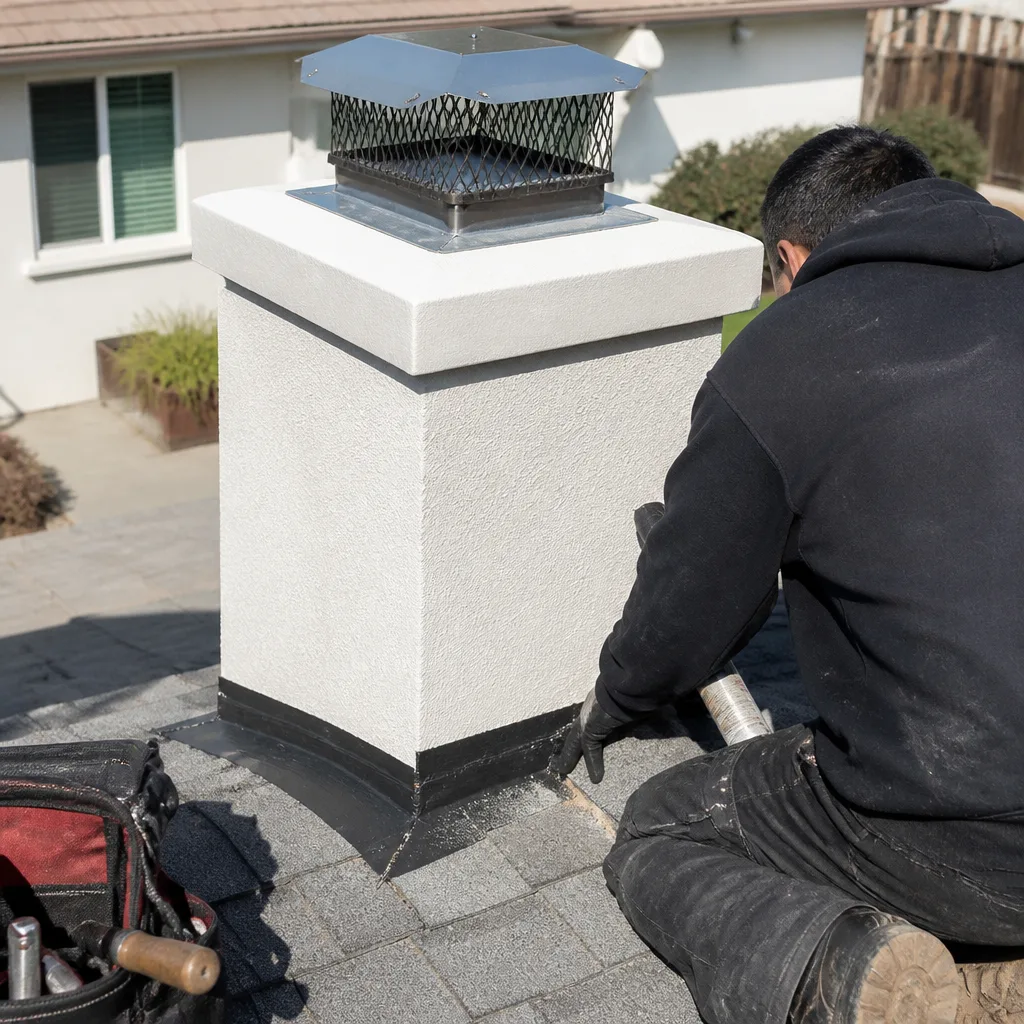
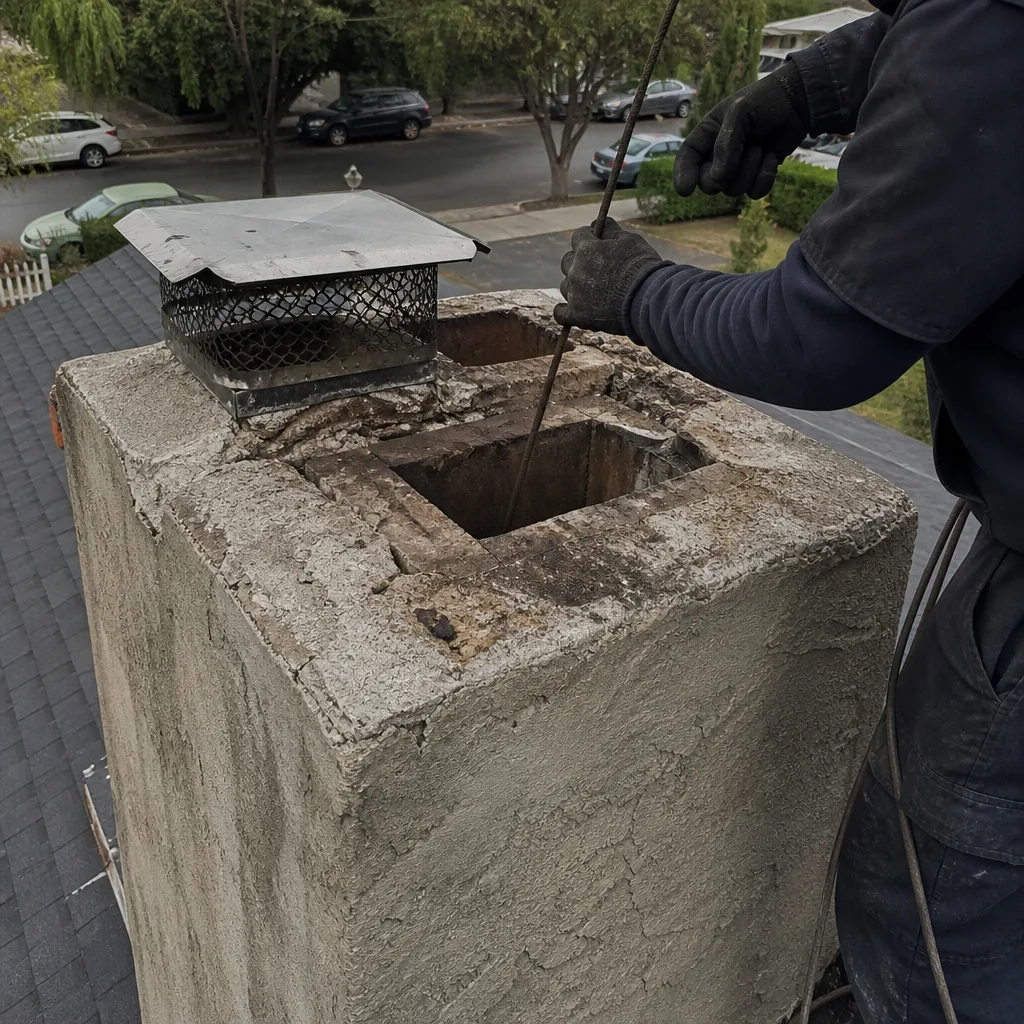
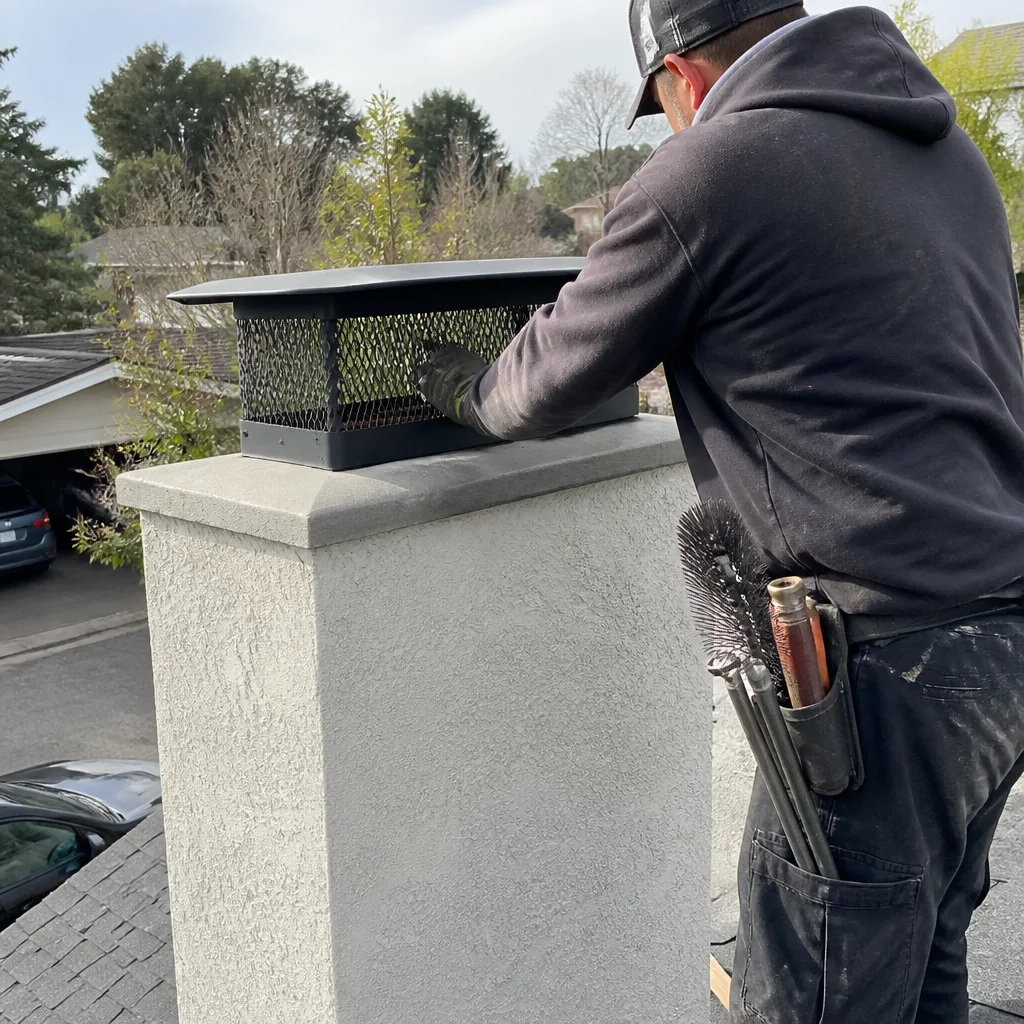
See the difference
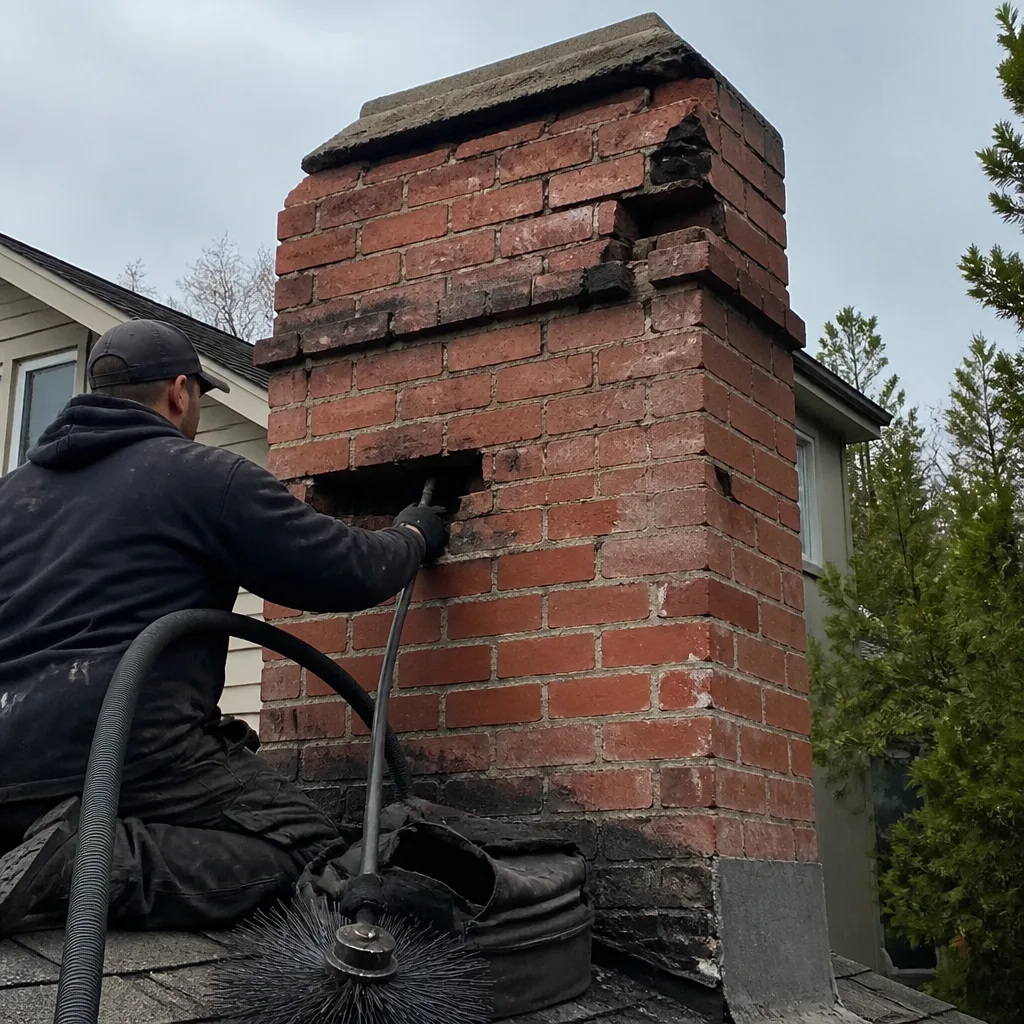 Before
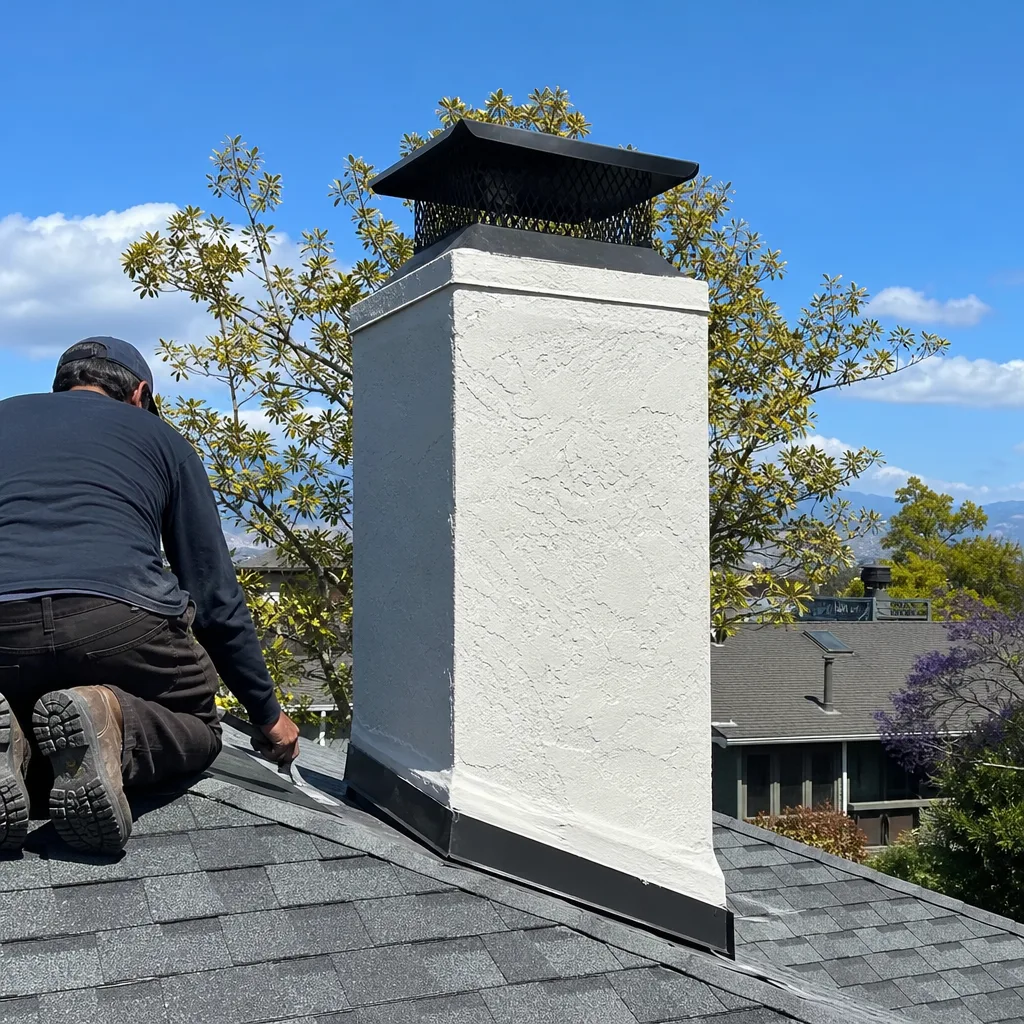 After
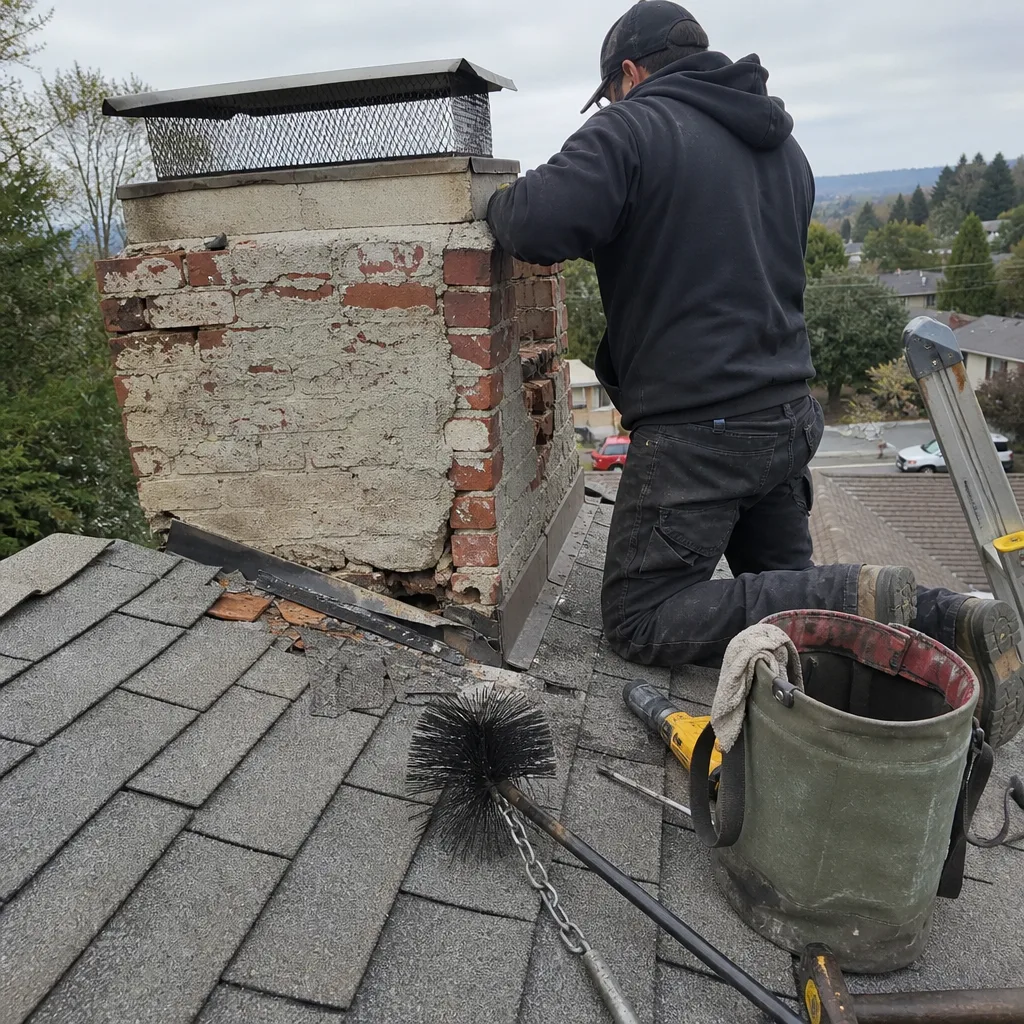 Before
 After
 Before
 After
Frequently Asked Questions
The National Fire Protection Association recommends a sweep and inspection whenever creosote reaches 1/8 inch of accumulation, which for most San Carlos homeowners works out to once per year for regular burners and once every two years for occasional use. Burn season in San Carlos typically runs November through March, so the ideal schedule is a sweep in early fall before the first fire. If you burn green wood, soft woods like pine, or use the fireplace more than three nights per week, schedule more often. Call (833) 620-0350 for an inspection that will tell you where your creosote level actually stands.
A chimney inspection should include a visual assessment of the firebox, damper, cap, crown, and exterior masonry, plus a camera inspection of the flue interior. The camera shows liner condition, creosote stage, and any blockages. At Chimney Sweep San Carlos, every sweep includes a level of inspection appropriate to the chimney’s history, and we always show the homeowner what the camera sees. If you’ve had a chimney fire, changed fuels, or bought a home with an unknown service history, request a more thorough Level 2 inspection.
A standard chimney sweep and inspection in San Carlos typically runs between $180 and $350, depending on the chimney’s height, accessibility, and creosote condition. Additional charges apply if the deposits are Stage 2 or Stage 3 and require chemical treatment or rotary cleaning. Repair costs vary widely: a cap replacement is relatively inexpensive, while a full reline is a more significant investment. For an exact quote based on your chimney’s condition, call (833) 620-0350 and we’ll schedule a free estimate.
Not every damaged liner needs replacement. Hairline cracks and minor spalling in a clay liner can often be addressed with HeatShield resurfacing instead of full replacement, restoring the flue’s smooth interior and sealing the cracks with a ceramic coating. Severely deteriorated liners, or those in chimneys being converted for a new appliance, typically call for a DuraFlex stainless-steel reline. The only way to know which applies to your chimney is a camera inspection. We never recommend a reline we can’t show you on the screen.
Skipping a sweep means creosote continues to accumulate, and creosote is the fuel for chimney fires. In the early stages, skipping a sweep means more creosote buildup, reduced draft, and poor fire performance. In the later stages, the chimney fire risk becomes real. The fire itself can be brief and contained, or it can crack the liner, spread heat to wall framing, and turn a $300 sweep into a $6,000 repair. For most San Carlos homeowners, the sweep is the cheapest insurance in the house. Call (833) 620-0350 to get on the schedule before the fall rush.
You can remove loose debris from a firebox, but a proper chimney sweep requires a rotary brush system, a way to capture dust and creosote, and the ability to inspect the flue afterward. Working on a roof in San Carlos, especially on the hillside properties with steep pitches, is a fall risk that isn’t worth taking for a task professionals complete in under an hour. More importantly, cleaning the flue without inspecting it means you’re removing the one thing that makes the chimney safe while never learning whether the liner, damper, or crown has a problem. The sweep and the inspection go together, and that’s the job worth hiring out.
The Bottom Line
Chimney warning signs are specific, readable signals from a mechanical system. Summer creosote odor means glazed deposits. Smoke in the room means draft failure, usually from a failed damper or a depressurized house. White staining means water is moving through masonry it shouldn’t be. Spalling brick and cracked crowns are structural clock ticks. None of these conditions improves on its own. Each gets more expensive the longer it’s ignored. The good news is that every sign in this guide is addressable before it becomes a crisis, and the Chimney Sweep in San Carlos approach is built around diagnosing these issues while they’re still manageable. Whether it’s a Chimney Repair in San Carlos, a Dryer Vent Cleaning in San Carlos, or a full inspection, call (833) 620-0350 and find out what your chimney is trying to tell you.
Written by the team at Chimney Sweep San Carlos home, serving San Carlos since 2011.